
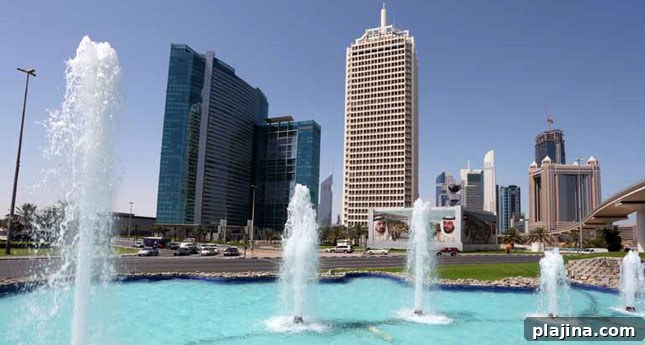
Dizzying skyscrapers, mammoth yachts, luxury private jets and ostentatious supercars line the skyline and streets of Dubai. This dynamic city in the United Arab Emirates is rapidly building some of the world’s most ambitious infrastructure as it prepares to host the World Expo 2020, the first World Expo to be held in the MENASA (Middle East, North Africa and South Asia) region. Dubai expects millions of visitors for the event, and the city’s development drive has drawn global attention comparable to the excitement surrounding Gustave Eiffel’s tower at the 1889 Paris World’s Fair.
Dubai’s list of superlatives is long: the world’s tallest skyscraper, vast manmade islands, and one of the newest mega-airports all showcase the emirate’s appetite for large-scale, high-profile projects. Those achievements are matched by industry recognition—Dubai was named World’s Leading Destination at the 20th World Travel Awards, while the Dubai World Trade Centre earned honors as the World’s Leading Meetings and Conference Centre and Madinat Jumeirah was recognized as the World’s Leading MICE Hotel.
As Dubai prepares for the World Expo, event planners are already capitalizing on the city’s thriving meetings, incentives, conferences and exhibitions (MICE) scene. The hospitality sector expanded rapidly between 2011 and 2012, with growth of 16.2 percent, and now contributes roughly 4.5 percent to Dubai’s gross domestic product. Accommodation capacity is vast—more than 75,000 hotel rooms across every budget, including over 25,000 rooms along the Dubai metro line—while the Dubai International Convention and Exhibition Centre alone offers a million square feet of conference space under a single roof. These assets help explain why Dubai International Airport handles tens of millions of international passengers each year.
Industry figures point to tourism and travel as major economic drivers. Research cited by Dubai’s tourism authority shows the sector contributing a significant share of national GDP and growing faster than the global average. International arrivals have increased year on year, with a notable rise in visitors documented in recent tourism reports. The peak conference season runs from October through April, making those months particularly busy for corporate and association events.
Planners considering Dubai will find several strategic advantages: the city’s geographic position at the crossroads of Asia, Africa and Europe ensures easy access from major global markets, with a large portion of the world’s population reachable within four to eight hours’ flight time. Dubai’s role as a major business hub, combined with a strong tourism product, a dynamic workforce and a government that invests heavily in strategic infrastructure and transport, adds to the appeal. Business-friendly policies—including free zones, zero income tax for individuals, and favorable corporate taxation—continue to attract foreign investment and multinational firms. Today, more than 140,000 companies operate in Dubai, including many Fortune 500 corporations, creating ongoing demand for industry associations and professional gatherings.
Notable venues illustrate Dubai’s range of event options. The 876-room, five-star Madinat Jumeirah, situated near the Burj Al Arab and close to the Mall of the Emirates, blends traditional Arabian design with modern luxury. The resort’s lagoon setting provides unique event backdrops; the Madinat Arena transforms into a gala screening space during film festivals, while the Madinat Theatre hosts smaller screenings and Q&A sessions. The property has been a longtime host of the Dubai International Film Festival and offers culturally immersive event experiences.
The Kempinski Hotel Mall of the Emirates, a 393-room luxury property integrated with one of Dubai’s premier shopping destinations, helped transform the Al Barsha district from desert into a bustling urban hub. Its meeting rooms benefit from abundant natural light and distinctive views over Ski Dubai. Several rooms are designed to evoke a ski-chalet atmosphere, complete with fireplace features that create a year-round winter feeling despite the city’s warm climate. The Kempinski has hosted large multiroom corporate bookings, international award ceremonies, fashion shows, and private events for visiting celebrities, demonstrating the hotel’s capability to deliver technically complex, high-profile programs.
For culturally driven and intimate gatherings, the Sheikh Mohammed bin Rashid Centre for Cultural Understanding in the Al Fahidi Historic District provides a distinctive setting and the motto “Open Doors Open Minds.” Housed in a building dating to 1944, the centre offers courtyard and indoor spaces suitable for small conferences and cultural events, and it has hosted delegations and institutions from around the world. The centre’s programming emphasizes interactive cultural exchange and greater understanding, making it an appealing venue for groups that value local context and meaningful engagement.
To support associations and international organizations expanding into the region, Dubai has launched initiatives to streamline engagement and operations. The Dubai Association Centre, a collaboration between local institutions, aims to assist associations with registration, regulatory compliance and member recruitment in the UAE. This type of public-private partnership reinforces Dubai’s strategy of attracting global events and professional groups by simplifying local access and offering tailored support.
With substantial infrastructure, a broad range of venues, strong government backing and a growing tourism and business ecosystem, Dubai continues to position itself as a leading destination for international meetings, conferences and cultural events. Planners seeking a city that combines logistical convenience, luxury hospitality and distinctive local experiences will find Dubai a compelling option.
Madinat Jumeirah © Ilona Kauremszky