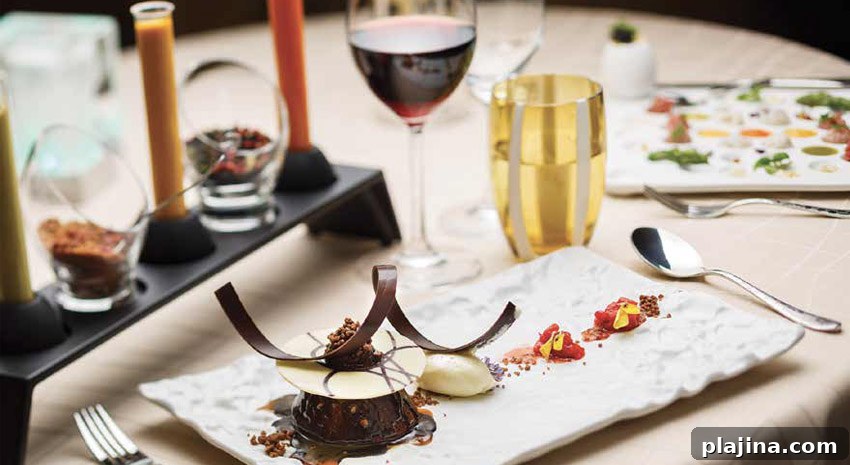
Richard Weichbold oversees an extraordinary range of global flavors and premium ingredients as fleet corporate chef for Silversea Cruises. In this role he manages the galleys and restaurants across the luxury line’s nine-ship fleet, where dining is treated as a defining part of the onboard experience.
Each vessel offers a variety of dining venues, and Silversea collaborates with the esteemed Grands Chefs Relais & Châteaux to elevate its culinary program. While not every outlet appears on every ship, the line presents a broad selection of restaurants and styles to suit diverse tastes.
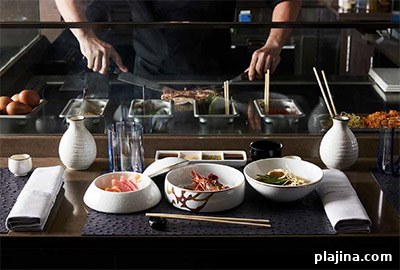
The Restaurant provides open seating, rejecting the traditional cruise model of assigned times and fixed tables; guests can choose when and with whom they dine. For Asian-inspired menus, Indochine presents refined dishes infused with regional flavors. Onboard Silver Spirit, Seishen Restaurant focuses on Asian fusion, showcasing specialties from Japan, China, Thailand, Vietnam and India. Kaiseki emphasizes meticulous preparation and elegant plating, reflecting the Japanese fine-dining tradition.
Silversea’s Italian roots appear in Spaccanapoli and La Terrazza. Onboard Silver Muse, Spaccanapoli evokes the vibrant street life of Naples, while La Terrazza offers a curated à la carte selection of Italy’s finest regional cuisine.
For exceptional seafood, Atlantide on Silver Muse highlights the best the sea has to offer. La Dame by Relais & Châteaux showcases the cruise line’s partnership with Grands Chefs Relais & Châteaux, serving classic and contemporary French cuisine with attention to technique and ingredients.
The Grill provides a distinct and health-minded option: evenings feature lava stone cooking, while daytime service includes a rotisserie alongside a gourmet salad and burger bar. For a lively, music-driven atmosphere paired with tapas-style and international plates, Silver Note combines dining with jazz and blues entertainment.
Before joining Silversea, Weichbold trained with Southern Sun Hotels in Cape Town and later worked in London hotels. He became Silversea’s executive chef in 2003 and was promoted to fleet corporate chef in 2008, leading culinary operations across the fleet since then.
© SILVERSEAS
Which destinations inspired you, and how has that inspiration translated into your culinary concepts? Being a chef at sea presents a unique set of influences. Unlike working at a single hotel or restaurant, a cruise chef responds to a rotating variety of ports and cultures. Menus reflect local, in-season products from the regions visited — from exotic Asian spices, fruits and vegetables to fresh Alaskan halibut, king crab and salmon, and the cheeses, olive oils and cured meats of the Mediterranean. The focus is on sourcing the freshest regional ingredients available and letting local specialties shape the cooking and menu design.
Whom do you consider to be your culinary hero? My father. He was a chef and restaurateur in Cape Town and owned several restaurants. I spent time in his kitchens from a young age and went straight into an apprenticeship after school. His advice and support guided me through the early, often challenging stages of my career and helped shape my path in the culinary world.
What one person most influenced your cooking style? Several people influenced me, but Henri Brosi, former executive chef at The Dorchester in London, stands out. I began there as a chef de partie and rose to banqueting sous chef. He taught me to treat every ingredient with respect, regardless of its cost, and to prepare and present food to the highest standard. He also shaped my approach to kitchen management, emphasizing discipline, fairness and strong leadership. Years of travel with Silversea and exposure to diverse food cultures have deepened my respect for local products and traditions.
What is your favorite food city? Cape Town remains my favorite. Born and raised there, I’ve watched the restaurant scene flourish. The city benefits from a unique combination of mountains, sea and nearby winelands, resulting in a vibrant culinary mix and abundant local ingredients. The food culture is a melting pot of influences and offers a wide variety of fresh, high-quality produce.
What do you think the next big trend on the food scene will be? Sustainability and transparency will continue to grow in importance. Diners increasingly want to know what’s in their food and how it was produced — whether farmed, fished or otherwise sourced. The move away from processed foods toward traceable, responsibly produced ingredients will remain a major trend.