It wasn’t by accident that I arrived early to the train platform that morning. Rumors of the Swiss rail system’s legendary punctuality had nudged me out of bed fifteen minutes sooner than usual. I settled near my platform at Zürich Main Station—one of the busiest hubs in Europe—and watched the iconic Swiss Railway Clock pause for a calm 1.5 seconds before ticking on to the next minute, a deliberate design meant to ease the last moment and help trains depart on time.
Like many travelers to Europe, I had picnicked beneath the Eiffel Tower in Paris, raised a glass at Oktoberfest in Munich and snapped a selfie by the Leaning Tower of Pisa. But on this trip I wanted lesser-known places and more unusual experiences. With a Swiss Travel Pass in my pocket—granting access to trains, buses and boats and free entry to more than 500 museums—I boarded as scheduled and set off to discover towns I’d never heard of and to sample Europe’s less familiar foods, sights and scents.
Recent research shows that a large share of travelers want to get off the beaten path, and the travel industry has responded. Tour operators and rail services now offer more options for exploring hidden corners of the continent. The Swiss Travel Pass and other rail passes make hopping between small towns simple, while operators such as Intrepid Travel add guided adventures like hiking in Andorra or rafting in Slovenia for travelers seeking active, authentic experiences.
Best of the Alps, a collaboration connecting Alpine destinations across Germany, Austria, Italy and Switzerland, encourages visitors to meet local artisans, chefs and guides to learn the region’s stories first-hand. Its site highlights creators and adventurers who open a window into local life and inspire visitors with fresh ideas about what to taste, do and explore. You can hear from a wooden-sledge maker about a century-old tradition of hybrid sled-bikes, then test one on the slopes above Grindelwald. Or you might discover why a celebrated chef now prepares exclusive meals inside a furniture shop in Davos and secure one of the few seats for a memorable dinner.
Traveling this way shifts the focus from ticking off famous landmarks to meeting people, discovering craft and savoring regional specialties. In small towns, markets and family-run eateries, recipes and techniques are often passed down through generations, and conversations reveal local pride and practical knowledge that guidebooks rarely capture. A simple tasting can become a lesson in geography, climate and history, while a short hike might lead to a panoramic viewpoint that few guidebooks mention.
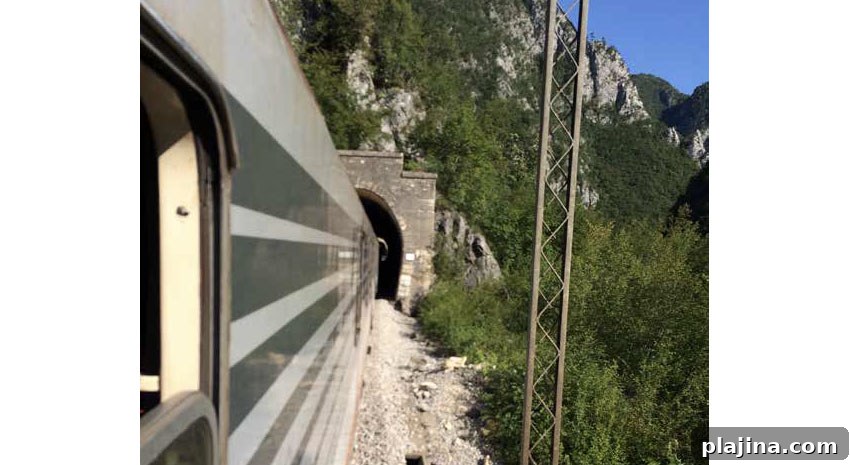
Rail travel naturally supports this kind of journey. Trains connect remote villages with metropolitan centers while making the trip itself part of the experience: landscapes roll by—vineyards, alpine meadows and river valleys—between stations where you can step off, explore and then continue on to the next discovery. The frequency and reliability of Swiss rail, in particular, remove much of the planning friction. When schedules are dependable, spontaneous detours feel less risky.
Beyond transportation, local partnerships and curated programs help travelers engage more deeply. Community-driven initiatives and cooperative platforms introduce visitors to artisans, producers and guides who provide authentic interactions rather than staged tourist encounters. These connections create more meaningful memories and often support small-scale economies that benefit from careful, low-impact tourism.
If you prefer a slower pace, build wiggle room into your itinerary. Allow extra time for wandering, for lingering at a café, or for accepting an unexpected invitation to a workshop or a tasting. Those unscripted moments often become the most vivid parts of a trip—an impromptu conversation with a baker, a demonstration by a traditional craftsman, or a friendly offer to join a local festival.
Ultimately, traveling beyond the obvious requires curiosity and a willingness to be flexible. Tools like regional rail passes, local tour operators and collaborative destination platforms make it easy to explore lesser-known places, while the people and traditions you encounter provide depth and warmth that famous sights alone cannot. By planning for discovery rather than just destinations, you’ll return with stories of unfamiliar towns, unusual foods and the small, human moments that make travel memorable.