
Nicknamed the City of Palaces, Mexico City is the nation’s capital and largest metropolis, and ranks among the world’s most populous urban centers with roughly 21.6 million inhabitants. Built atop the ruins of the ancient Aztec city of Tenochtitlan, the modern metropolis blends centuries of history with dynamic contemporary life, offering a rich mix of culture, architecture, and gastronomy.
Food is central to the city’s identity. With more than 50 regional cuisines represented across bustling street stalls and an expanding fine-dining scene, Mexico City offers something for every palate. Notable dining destinations include Blanco Colima, housed in an elegant 20th-century mansion, and Pujol, regularly ranked among the world’s best restaurants, where chef Enrique Olvera reinterprets Mexican flavors with inventive techniques.
Located in a high valley roughly 7,400 feet above sea level and surrounded by volcanic peaks, Mexico City provides countless activities for curious travelers. The Historic Center spans approximately 10 acres and merges past and present: museums, cathedrals, and archaeological sites reveal layers of history, while the Zócalo, the main public square and one of the largest in the world, pulses with civic life and events.
The city is home to more than 150 museums covering Latin American art, history, science, and popular culture. In addition to the striking Soumaya Museum and the ornate Palacio de Bellas Artes, the Dolores Olmedo Museum is a must-see for its extensive collections of works by Frida Kahlo and Diego Rivera.
© Atosan | Dreamstime.com
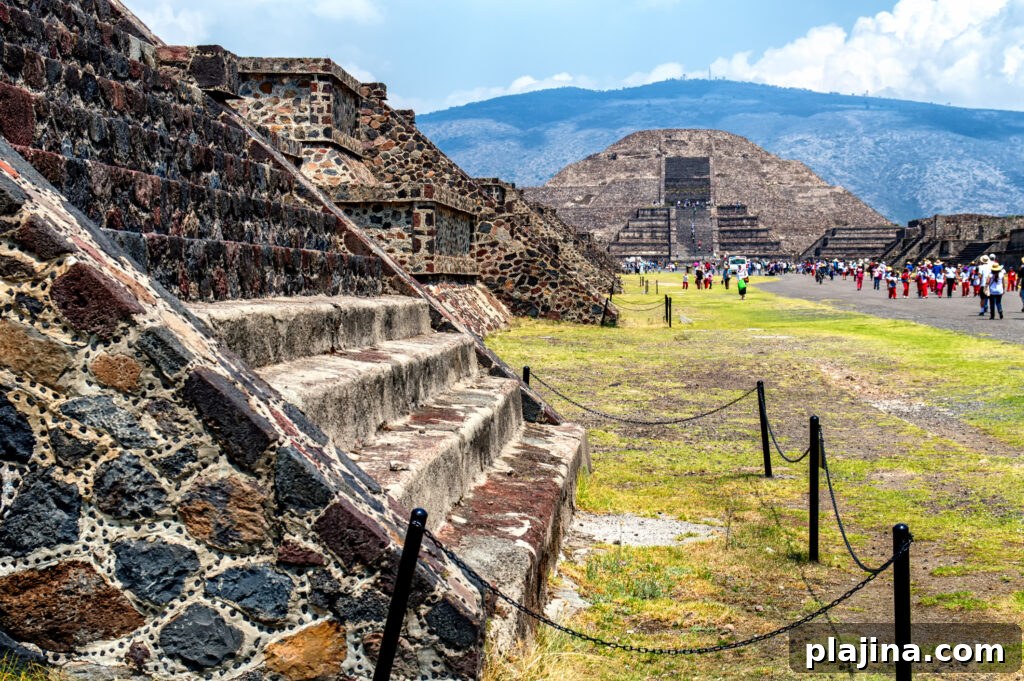
Mexico leads the Americas in UNESCO World Heritage sites, and a short drive northeast of the capital brings you to the ancient metropolis of Teotihuacán. The Avenue of the Dead is flanked by monumental structures including the Pyramids of the Sun and Moon and the Temple of Quetzalcóatl, offering unforgettable views of pre-Hispanic urban planning and scale.
Strolling the cobblestone streets of Coyoacán evokes a colonial-era atmosphere filled with lively markets and historic churches. Sample traditional dishes at local favorites like Los Danzantes, then walk to La Casa Azul, Frida Kahlo’s former home and museum. In the southern borough of Xochimilco, a network of canals and chinampas—raised agricultural islands—invite leisurely trajinera boat rides where vendors sell food, drinks, and crafts directly from the water.
Every year from late October through early November, Mexico City honors Día de los Muertos, the Day of the Dead. Colorful alebrijes—fantastical carved creatures—appear on streets and in markets, while public altars filled with ofrendas pay respectful tribute to departed family members, creating a moving blend of remembrance and celebration.