
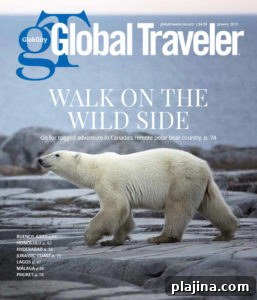
POLAR BEAR IN MANITOBA © LYNN BYSTROM -DREAMSTIME.COM
Polar Bears in Manitoba: An Overview
Manitoba is home to one of the world’s most iconic Arctic species: the polar bear. These large carnivores are a vital part of the northern ecosystem and hold cultural and economic significance for local communities. In Manitoba, polar bears are most commonly associated with the coastal areas along Hudson Bay, where seasonal sea ice conditions and abundant seal populations support their life cycle.
Habitat and Behavior
Polar bears in Manitoba rely on sea ice to hunt their primary prey, ringed and bearded seals. During the spring and early summer, bears concentrate near shorelines as melting ice forces seals and bears into closer proximity. Adults can travel long distances across ice and tundra in search of food. On land, bears may fast or scavenge until ice returns, showing remarkable endurance and adaptability to changing conditions.
Seasonal Movements
Polar bears display seasonal movements tied to ice formation and breakup. In late fall and early winter, many bears follow the advancing ice onto Hudson Bay to begin hunting. In summer, as the ice retreats, bears come ashore; some congregate near towns such as Churchill, where natural food shortages and curiosity bring them closer to human settlements. These predictable movements are the basis for wildlife viewing and research activities in the region.
Conservation and Threats
Climate change presents the greatest long-term threat to polar bears in Manitoba. Reduced sea ice duration shortens the hunting season, limiting access to seals and forcing bears to rely on fat reserves built during the spring. As a result, body condition, reproductive success, and cub survival can decline. Additional pressures include industrial development, pollution, and increased human-bear interactions as bears spend more time onshore.
Human-Wildlife Coexistence
Communities in northern Manitoba have developed strategies to coexist safely with polar bears. Measures include secure waste management, non-lethal deterrence programs, and education initiatives to reduce attractants near settlements. Local knowledge and collaboration between Indigenous groups, wildlife managers, and researchers are key to minimizing conflicts while protecting both people and bears.
Research and Monitoring
Ongoing research monitors polar bear populations, health, and movements. Scientists use techniques such as satellite tracking, aerial surveys, and health assessments to understand how environmental changes affect bears. This information helps inform management decisions, conservation planning, and international efforts aimed at preserving polar bear populations across their range.
Responsible Wildlife Viewing
Manitoba attracts visitors who wish to observe polar bears in their natural habitat. Responsible viewing follows strict guidelines to avoid disturbing animals and to keep both bears and people safe. Organized tours led by experienced guides, adherence to distance regulations, and respect for wildlife behaviors ensure that viewing opportunities remain sustainable and educational.
Conclusion
Polar bears in Manitoba symbolize the challenges and resilience of Arctic wildlife. Protecting them requires coordinated conservation efforts, informed management, and global action on climate change. By supporting research, practicing safe coexistence, and promoting awareness, communities and visitors can help ensure that polar bears continue to thrive in Manitoba’s Arctic landscapes.