
In recent years Dubai has experienced rapid growth, driven by the expansion of Emirates, Dubai Airports, Dubai Duty Free and numerous major construction projects. The city has become known worldwide for ambitious architecture, top-tier entertainment and events, and an array of luxury residences, hotels and resorts.
To support ongoing expansion and sustain its role as a global aviation hub, Dubai planned what will become one of the world’s largest airports. Dubai International has already emerged as a leading global airport, handling record passenger volumes—68.5 million passengers were reported last year—making it one of the world’s busiest hubs. That surge in demand, combined with Emirates’ growth and limits to further expansion at the existing site, prompted a large-scale investment in new aviation infrastructure.
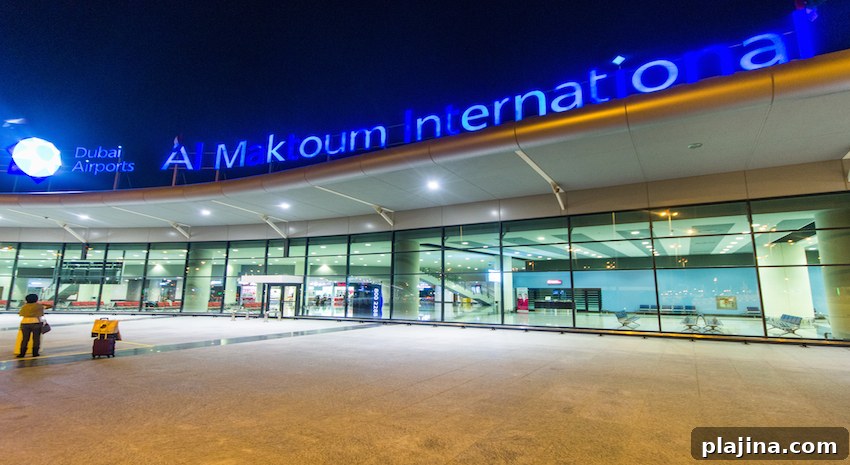
In 2011 Dubai’s aviation authorities produced a 2020 Strategic Plan to extend Dubai International’s capacity and operational life. While enhancements and expansions continue at that airport, parallel plans were developed for a new facility at Al Maktoum, near Dubai World Central in Jebel Ali. Al Maktoum Airport is being designed according to a long-term 2050 Strategic Plan, intended to accommodate decades of growth by delivering modern passenger amenities, high levels of service and advanced aviation operations.
The project envisions an immense airport covering approximately 25 square miles, integrated with Dubai’s metro network and major roadways to ensure convenient access. Once fully built out, the Next Generation Airport aims to handle more than 220 million passengers annually, placing it among the largest airports on the planet. Although full completion will take many years, detailed planning and the first phase of development are already well underway to meet future demand and maintain Dubai’s competitive edge in global aviation.