
Long before Europeans arrived, Native American people cared for these lands for centuries, preserving traditions that continue today. Museums across the United States celebrate their histories through artifacts, art and living cultural events, offering meaningful ways to learn and connect with Indigenous heritage.
The National Museum of the American Indian in Washington, D.C., provides a comprehensive overview of the tribes and Native communities that make up the United States today, showcasing a wide range of artwork and cultural objects. Its sister museum in New York City concentrates on the Native nations that historically lived in that region and presents exhibitions rooted in local Indigenous experience.
New York State is home to notable museums dedicated to the Iroquois (Haudenosaunee) peoples. In Salamanca, Onöhsagwë:de’ Cultural Center highlights the history and culture of the Seneca Nation, while the Six Nations Iroquois Cultural Center in Onchiota preserves and interprets artifacts from the Six Nations of the Iroquois Confederacy, offering insights into long-standing traditions and communal life.
In the Southeast, Ah-Tah-Thi-Ki Museum in Florida documents and celebrates the heritage of the Seminole people through exhibitions, educational programs and cultural demonstrations. Oklahoma hosts several museums focused on specific tribal nations: the Seminole Nation Museum in Wewoka; the Comanche National Museum and Cultural Center in Lawton; the Osage Nation Museum in Pawhuska; the Choctaw Cultural Center in Calera; and the Citizen Potawatomi Nation Cultural Heritage Center in Shawnee. Each institution centers tribal perspectives, preserves material culture and shares living traditions.
The First Americans Museum in Oklahoma City presents a broad, collective history of the region’s Indigenous peoples, reflecting the stories of Oklahoma’s 39 federally recognized tribes as well as other nations historically connected to the land. Its calendar includes seasonal celebrations, hands-on demonstrations and unique community events such as solstice observances, tipi-raising contests and even playful competitions like the Potato Dancing World Championship.
In New Mexico, the Indian Pueblo Cultural Center in Santa Fe highlights the cultures of the state’s 19 Pueblo communities. The center features rotating exhibits, a permanent collection of more than 20 murals by Puebloan artists, an Indigenous restaurant serving traditional foods, and Native dances performed every weekend throughout the year, making it a vibrant cultural hub.
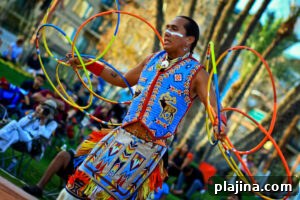
PHOTO: © SAM ANTONIO | DREAMSTIME.COM
Since 1929, the Heard Museum in Phoenix has built one of the nation’s leading collections of Native American art and artifacts, including an important assemblage of katsina dolls and a wide range of traditional and contemporary works. The museum presents cultural performances year-round, hosts the annual Indian Fair & Market and stages events such as the World Championship Hoop Dance Contest, connecting visitors with both ancestral practices and contemporary Indigenous creativity.
Visiting these museums offers an opportunity to encounter Indigenous perspectives curated by and in collaboration with Native communities. Exhibits blend historical artifacts, contemporary art and live cultural programming to foster deeper understanding and respect for the enduring cultural presence of Native peoples across North America.