
Sebastian Czapnik/Dreamstime.com
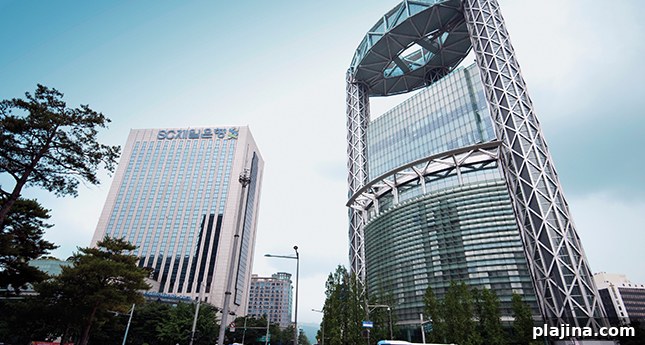
Seoul, one of the world’s five largest cities with a population exceeding 10 million, is a dynamic, modern metropolis that has served as Korea’s political, economic, and cultural center for six centuries.
South Korea has evolved into a major trading nation, and Seoul remains at its heart. Today the service sector represents the largest share of the country’s gross domestic product, followed by manufacturing — notably automobiles and electronics, with semiconductors as a standout product for which South Korea is a global leader. Agriculture now contributes less than 5 percent to the economy.
The global economic ups and downs have affected South Korea as well. The currency has been sensitive to international financial shifts, and the won has experienced volatility at times. Unemployment has hovered around 3 percent, and there are concerns about corporations relocating investment to lower-wage markets such as China. Nonetheless, the country continues to enhance its appeal to international businesses and investors.
Recognizing the importance of business travel, Seoul is actively positioning itself as a top global destination for meetings and events. The city ranked fifth worldwide for international meetings in 2010, according to the Union of International Associations statistics. Seoul now offers over 21,000 hotel rooms, with additional luxury hotels planned. With the opening of a convention center and business park at Seoul Station, the city aims to substantially expand its capacity for conferences and meetings.
Locals place a high value on learning English, which helps the city attract Western business travelers. In Seoul specifically, efforts to welcome international business visitors are strong and ongoing.
Seoul is also reshaping its image beyond daytime business. While traditional music and dance remain popular, contemporary nightlife and entertainment have grown. Nanta, a fast-paced nonverbal performance set in a kitchen where utensils become percussion instruments, blends frenetic activity with traditional rhythms. For a lively night scene, the Hongdae university district offers karaoke, coffee houses, pubs, and clubs popular with young locals that stay open late.
With a clear focus on courting international business, South Korea — and Seoul in particular — is likely to capture a growing share of global events and meetings.
Diversions
Although Seoul is a major business hub, it also offers many attractions and activities for visitors of all ages.
The National Museum of Korea is dedicated to preserving and sharing Korea’s heritage and houses many of the nation’s most valued artifacts. The museum provides a meaningful overview of Korea’s cultural history.
The National Folk Museum of Korea, located on the grounds of Gyeongbokgung Palace, presents insights into the daily lives of Koreans, including both commoners and royalty. The Tteok and Kitchen Utensil Museum displays traditional cooking implements and rice-cake related items; visitors can enjoy tea and rice cake at the on-site café.
Traditional Korean houses, or hanoks, from the Joseon Dynasty have been preserved and restored at Namsangol Hanok Village in Namsan Park, offering a glimpse into historical domestic architecture and lifestyle.
Shopping in Seoul ranges from upscale department stores such as Shinsegae to bustling street markets offering everything from fashion to household goods. The Noryangjin Fish Market is a vast, warehouse-style market with hundreds of stalls selling a huge variety of seafood.
Seoul’s royal architecture is on display at several palaces. Deoksugung showcases some of Chosun (Joseon) Dynasty architecture in an intimate setting. The expansive Gyeongbokgung Palace complex offers beautiful grounds and reconstructed buildings that reflect Korea’s royal history.
For unique, high-energy evening entertainment, the Myeong Dong Nanta Theatre stages the nonverbal Nanta performance, which requires no knowledge of Korean to enjoy and is popular with international audiences.
CHECKING IN WITH JOHN JACKSON
Vice President, Marketing and Sales, Korean Air
Has the shaky global economy affected business travel to South Korea? What industries are growing?
While the overall market has slowed, business travel to Seoul and beyond has remained strong, with notable year-on-year increases in corporate travel. Key growth areas include LCD televisions and electronic components. Progress on trade agreements, such as the U.S.–Korea free trade agreement, is expected to further boost exports in these sectors.
As a member of the Global Business Traveler Association’s Corporate Social Responsibility Committee, what trends do you see in business travel programs?
There is a growing focus on the environmental impact of business travel, with rising interest in more fuel-efficient aircraft and sustainable aviation fuels. Companies across industries are also paying more attention to their social and environmental responsibilities within the communities they serve. This focus on sustainability and corporate responsibility is likely to continue expanding.
What does Seoul offer business visitors?
Seoul offers a blend of cutting-edge connectivity and deep cultural tradition. As one of the most digitally connected capitals, the city buzzes with youthful energy while maintaining a sense of historical continuity. The retail experience is exceptional, with international designers and local brands showcased for an enthusiastic shopping public.
Info To GoIncheon International Airport (ICN) lies about 32 miles west of downtown Seoul. Limousine buses provide regular service to downtown destinations, and city buses offer a cheaper, slower alternative. The Airport Express train connects the airport and city with fares varying by service. Seoul’s public transport system — buses, taxis, and an extensive subway network — is efficient and tourist-friendly, with station signage and transfer information available in English. |
Just the FactsTime ZoneGMT +9 |
LodgingJW MARRIOTT SEOULSpacious, well-appointed rooms and a modern spa and fitness center make this hotel a popular choice. The extensive breakfast buffet is a highlight. 19-3 Banpo-dong, Seocho-gu. $$$$ PARK HYATT SEOULLarge rooms and exceptional service, with a lobby offering panoramic views from the 24th floor. 995-14 Daechi 3-dong, Gangnam-gu. $$$$ THE WESTIN CHOSUN, SEOULConvenient downtown location with strong business amenities, including a comprehensive business center and fitness facilities. 87 Sogong-dong, Jung-gu. $$$$ |
|
DiningPHIL KYUNG JAE SANCHON KOREAN TEMPLE CUISINE TOSOKCHON |
|