
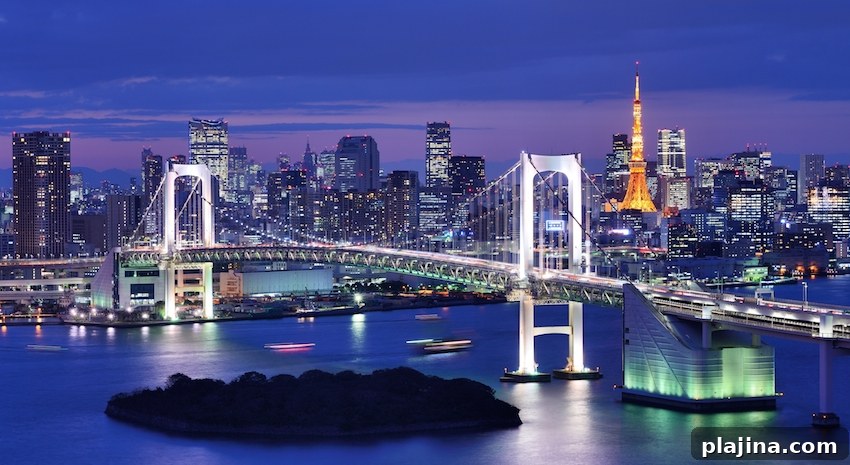
When Japan was announced as the host of the 2020 Summer Olympics, both domestic and international hotel brands seized the opportunity to expand in Tokyo. The city’s shortage of luxury accommodations created a prime opening for upscale chains to establish or grow their presence ahead of an expected surge of visitors for the games.
Marriott is among those moving quickly: the company announced plans to open two Edition hotels in Tokyo, one in Toranomon and another in Ginza, marking the brand’s first properties in Japan. Other major groups are following suit — for example, InterContinental Hotels Group planned a spa and resort in Beppu in southern Japan, scheduled to open by 2019.
While the Olympic Games offered a clear deadline and incentive for new development, the expansion of luxury and upscale hotels was also aligned with longer-term tourism trends. Japan has experienced steady growth in international arrivals in recent years, and industry forecasts at the time anticipated continued growth through the next decade, with targets of tens of millions of visitors by 2030.
For Tokyo, the arrival of high-end hotels meant more than just additional room inventory. New luxury properties helped raise the city’s global profile, introduced international hospitality standards and services, and supported ancillary sectors such as dining, retail and events. Neighborhoods like Ginza and Toranomon, already established commercial hubs, stood to benefit from increased foot traffic and upscale offerings, while regional resorts such as Beppu aimed to capture a share of inbound leisure travelers seeking spa and wellness experiences.
The hotel investments also responded to changing traveler expectations. Business travelers, luxury tourists and international guests increasingly look for branded experiences, modern amenities and integrated services that global chains provide. By opening flagship and lifestyle hotels in Tokyo and key regional destinations, operators positioned themselves to meet demand from a mix of visitors, from short-stay tourists attending the Olympics to longer-term leisure flows.
Beyond room supply, these projects contributed to the local economy through construction jobs, ongoing hospitality employment and partnerships with local suppliers. They also encouraged competition that could lead to property upgrades at existing hotels, improving overall accommodation quality in Tokyo and beyond.
In sum, the lead-up to the Tokyo 2020 Olympics accelerated a wave of hotel development focused on luxury and lifestyle brands. While the games provided a time-sensitive catalyst, the initiatives were grounded in broader tourism growth trends and long-term plans to elevate Japan’s appeal to international visitors.