
For travelers planning a trip to India — especially to rural regions and less populated areas — understanding which animals pose the greatest risk is essential. Being informed helps you take sensible precautions, avoid dangerous encounters, and enjoy your journey more safely.
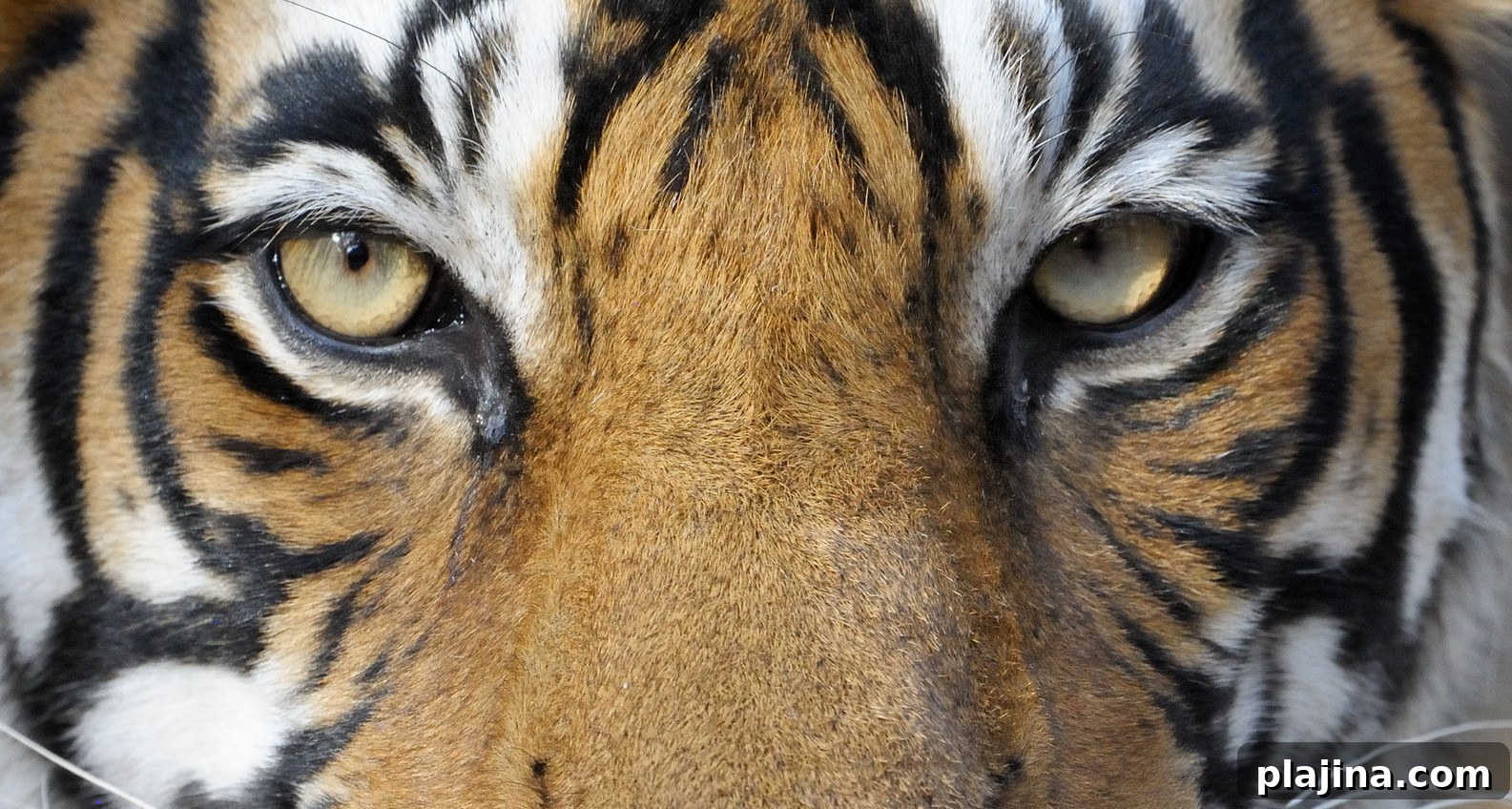
India’s wildlife is diverse, and while many species are harmless, a handful can cause serious injury or death. The most dangerous animals include large mammals like tigers and Indian elephants, venomous snakes such as the Russell’s viper and cobra, and disease-carrying creatures like mosquitoes. Each presents different hazards: predators can attack when surprised or threatened, elephants may charge during crop-raiding or when startled, snakes can deliver life-threatening venom, and insects can transmit illnesses such as malaria and dengue.
When traveling, respect wild animals by keeping a safe distance, avoiding walking alone at night in high-risk areas, and following guidance from local authorities, park rangers, and guides. In areas where snakes are known to be present, wear sturdy footwear and watch where you step or place your hands. If you’re visiting regions with large mammals, travel with experienced guides, stay inside vehicles where required, and never attempt to feed or approach wildlife.
Preventive measures against insect-borne diseases are equally important. Use insect repellent containing DEET or picaridin, sleep under insecticide-treated nets where necessary, wear long sleeves and trousers during dawn and dusk, and ensure vaccines or prophylactic medications are up to date when recommended. Check current health advisories for your destinations and consult a travel medicine specialist before departure.
Learn basic first-aid steps for bites and stings: immobilize and keep bitten limbs lower than the heart when applicable, seek immediate medical help, and avoid traditional remedies that can delay lifesaving treatment. If traveling to remote locations, carry a well-stocked first-aid kit and know the location of the nearest medical facility.
Many encounters are avoidable with local knowledge and common-sense precautions. Respect wildlife habitats, dispose of food and waste responsibly to avoid attracting animals, and stay informed about seasonal behaviors such as mating or migration that can increase aggression. Traveling with reputable tour operators and local guides not only enhances safety but also supports responsible wildlife viewing and conservation efforts.
By taking sensible precautions and staying aware of the specific risks in the regions you visit, you can greatly reduce the chances of dangerous encounters and make your trip to India both memorable and safe.