
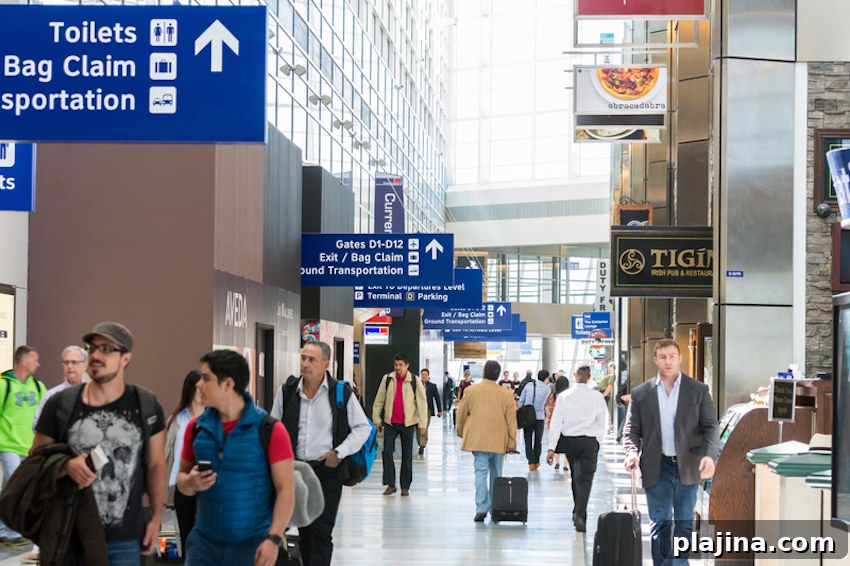
Dallas/Fort Worth International Airport has confirmed a joint plan with American Airlines to develop a sixth terminal, with an anticipated opening as early as 2025.
The project is estimated to cost between $3 billion and $3.5 billion and includes construction of a new Terminal F alongside upgrades to the existing Terminal C. The new terminal will be located south of Terminal D and is planned to feature up to 24 gates to handle increased passenger demand and flight operations.
Currently in the design phase, the program is evaluating several layouts. American Airlines says Terminal F is being planned to accommodate a changing aviation industry by integrating modern technologies that streamline passenger flow, support airline cost-efficiency and enhance overall operational performance.
Terminal C, originally opened in 1974, will be modernized to align with the standards set during the 2018 renovations of Terminals A, B and E. Those earlier projects introduced redesigned check-in areas, larger security checkpoints, expanded concessions and updated finishes such as improved lighting and flooring; Terminal C’s upgrade will extend similar improvements to an older facility.
Sean Donohue, CEO of DFW Airport, said the announcement lays the groundwork for the airport’s long-term future: “Today’s announcement sets the stage for DFW Airport’s next 50 years. The new Terminal F and the expansion that could follow will provide the region with the growth it needs to compete with international business centers.”
The combined development of a new terminal and the renovation of an older concourse reflects a broader strategy to increase capacity, improve passenger experience and maintain operational resilience as travel patterns evolve. Design choices under consideration aim to balance efficient gate operations with passenger amenities and sustainable building practices, while preserving flexibility for future changes in airline fleets and technology.
When completed, Terminal F and the refreshed Terminal C are expected to help DFW better accommodate both domestic and international travel needs, support economic growth in the region and strengthen the airport’s role as a major hub for American Airlines and other carriers.