
Celebrate Earth Month by visiting Costa Rica, a Central American country renowned for its long-standing commitment to conservation. Home to more than 6 percent of the planet’s known biodiversity, Costa Rica protects a significant portion of its landscapes—around 26 percent of the nation is designated protected territory—making it an ideal destination for travelers who want to explore nature responsibly.
Below are five practical ways to travel more sustainably on your next trip to Costa Rica, whether you’re interested in wildlife conservation, low-impact lodging, or eco-focused activities.
© Visit Costa Rica
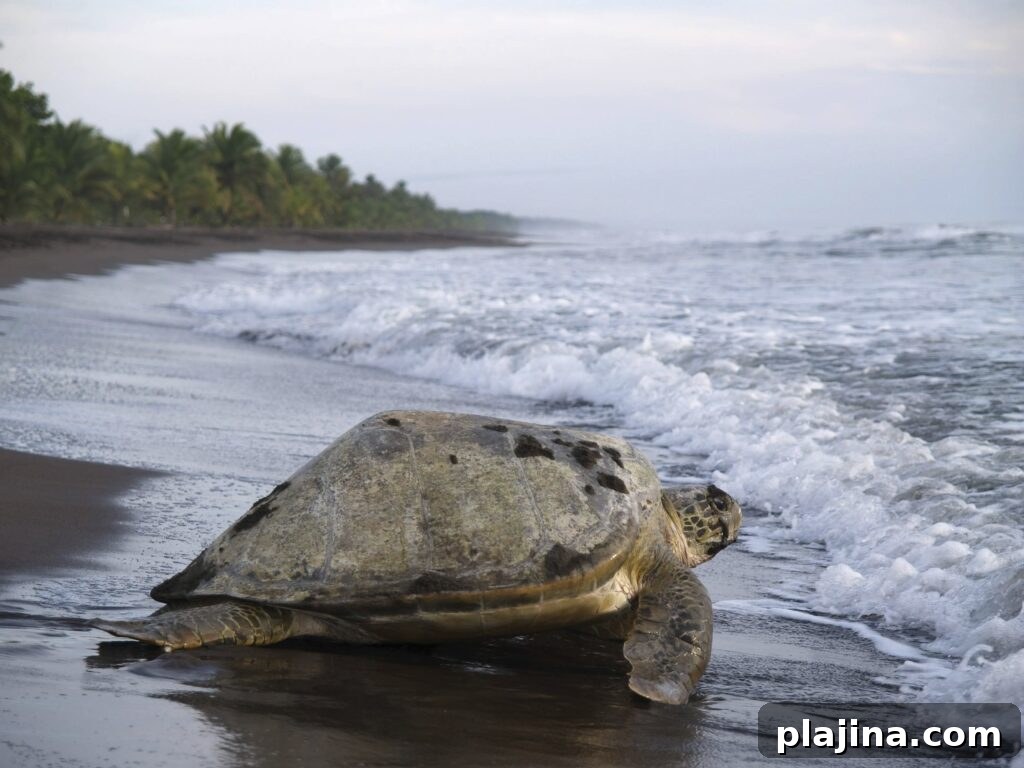
Protect Sea Turtles
Sea turtle nesting occurs year-round in Costa Rica, with the busiest season from July through October. Many nesting populations remain vulnerable to threats such as illegal egg collection and light pollution. Participate in organized conservation efforts—such as guided nighttime nest monitoring and hatchling releases—to support local biologists and veterinarians working to protect these species. Volunteering with established programs provides hands-on experience while ensuring actions follow best practices and local regulations.
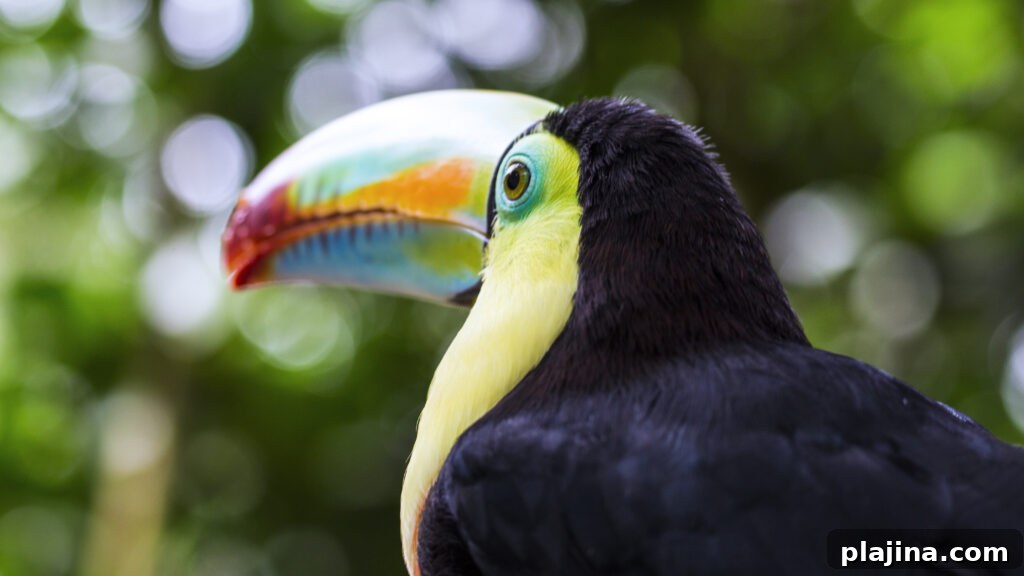
Save Rainforest Animals
Visit reputable wildlife sanctuaries that focus on rescue, rehabilitation and release or lifelong care when release isn’t possible. Organizations in Costa Rica care for dozens to hundreds of animals each year, providing medical treatment, rehabilitation and education to reduce future human–wildlife conflicts. When volunteering or visiting a sanctuary, choose programs that prioritize animal welfare, avoid direct interaction unless supervised, and support rehabilitation and release efforts.
© Visit Costa Rica
Stay in an Ecolodge
Choose ecolodges and small, locally run accommodations that minimize environmental impact and invest in their surrounding ecosystems. Ecolodges typically use renewable energy, practice water conservation, manage waste responsibly and support local communities through employment or sourcing. Staying in an ecolodge helps you immerse yourself in Costa Rica’s diverse habitats—mountains, rainforests, beaches and national parks—while reducing your travel footprint.
Sustainable Diving Excursion
Costa Rica offers excellent diving and snorkeling opportunities along both the Pacific and Caribbean coasts. Look for operators certified by recognized conservation initiatives that train guides in reef-safe practices, proper anchoring, and wildlife-friendly behavior. Certified operators emphasize education for visitors, minimize disturbance to marine life and often participate in local reef monitoring or clean-up projects, helping ensure recreational diving supports ocean conservation.

© Visit Costa Rica
Visit a Blue Flag Beach
Choose beaches recognized for high environmental and safety standards by local and international programs. Blue Flag beaches meet strict criteria for water quality, waste management, sanitation, signage, visitor safety and environmental education. Spending time at these beaches supports local communities and encourages sustainable coastal management. In Costa Rica, several beaches have earned top ratings for their environmental practices and maintenance—making them excellent choices for eco-conscious beachgoers.
Traveling sustainably in Costa Rica means supporting conservation-focused programs, choosing responsible operators and accommodations, and following best practices that minimize disturbance to wildlife and habitats. With mindful choices, your visit can help protect the country’s exceptional biodiversity while providing memorable, nature-centered experiences.