As the scene at the W Hotel’s Whisky Bar became too trendy for my taste, I settled my tab and stepped outside. I walked past a Bentley showroom and high-end clothing boutiques until I found what I wanted: a modest tacos al pastor spot with sidewalk tables, plastic chairs and cold Negra Modelo bottles. It stayed open late, of course — the perfect antidote to the polished bar scene.
Mexico City is best experienced as a mosaic of neighborhoods, each offering a distinct mood and attractions. While maps and population figures can make the metropolis seem overwhelming, most visitor activity concentrates along a manageable corridor between the revitalized historic center and the affluent districts of Polanco and Las Lomas. Stroll these neighborhoods and you’ll quickly reconnect with Mexico’s powerful cultural identity.
Bar and club scenes shift rapidly, so recommendations can become outdated. For traditional experiences, seek out the cantinas that seem frozen in time: wooden chairs creak, waiters move with practiced pace, and conversations persist over decades-old décor. Visiting a cantina with a local is ideal; expect the complimentary botanas (small bites) to grow more generous as you order more drinks — it’s part of the ritual.
For up-to-date listings of contemporary nightlife, consult local publications such as the weekly Tiempo Libre or the monthly Time Out, found at newsstands and Sanborn’s stores. Jazz fans should head to Zinco in the historic center for top live performances, and afterward consider the Downtown Mexico Hotel’s rooftop pool bar for a late-night cocktail.
Mexico City is one of Latin America’s most progressive locales for LGBTQ+ rights, and that has fostered a lively gay and lesbian scene. Zona Rosa and Calle Cuba in the historic center are well-known hubs, but welcoming spots can be found across many neighborhoods.
As the city has grown safer, Roma and Condesa have become favorite walking areas again. Both neighborhoods brim with cafés, bars and restaurants ideal for daytime browsing or evening outings. Hotel Condesa DF and Hotel Brick in Roma are reliable choices for visitors who prefer English-friendly service; both maintain consistently good bars and dining options. For a cluster of stylish bars, meet locals around the intersection of Orizaba and Querétaro in Roma.
For a quintessential Mexican experience, visit Plaza Garibaldi, where numerous mariachi bands gather to perform and to be hired for the night. Nearby, the Museum of Tequila and Mezcal welcomes visitors until 10 p.m. on Thursdays through Saturdays, making it a great evening destination.
With more museums than any other city in the hemisphere, Mexico City offers cultural programming well into the night. Take advantage of Noches de Museos, held on the last Wednesday of each month, when many museums extend their hours until 10 p.m., providing ample opportunities to explore after sunset.
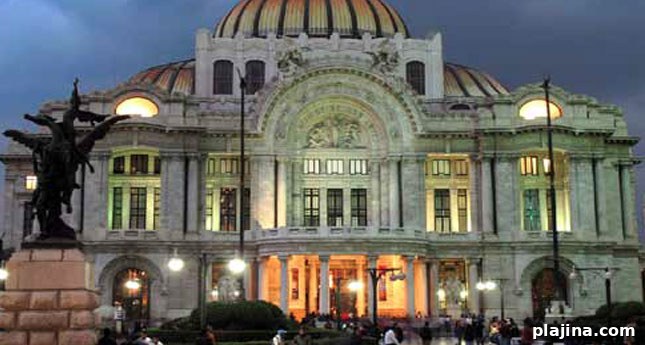
The Palacio de Bellas Artes is a landmark that serves as both architectural treasure and cultural venue. Admire its luminous exterior at night, and if you can obtain tickets to a performance, take the opportunity — the theater’s atmosphere alone is worth the visit.
Food is a core reason to visit Mexico City. From street-food stalls serving tacos al pastor and other classic fares to high-end restaurants run by celebrated chefs, the city is a global culinary capital. Choosing a single “best” restaurant is nearly impossible — the variety rivals any large international food scene. Resources like the blog Good Food in Mexico City are helpful for English-speaking visitors seeking recommendations. Read up, ask locals, and consult guidebooks and listings, but don’t worry excessively: in a city celebrated for its authentic and diverse cuisine, chances are good you’ll find memorable meals wherever you go.