
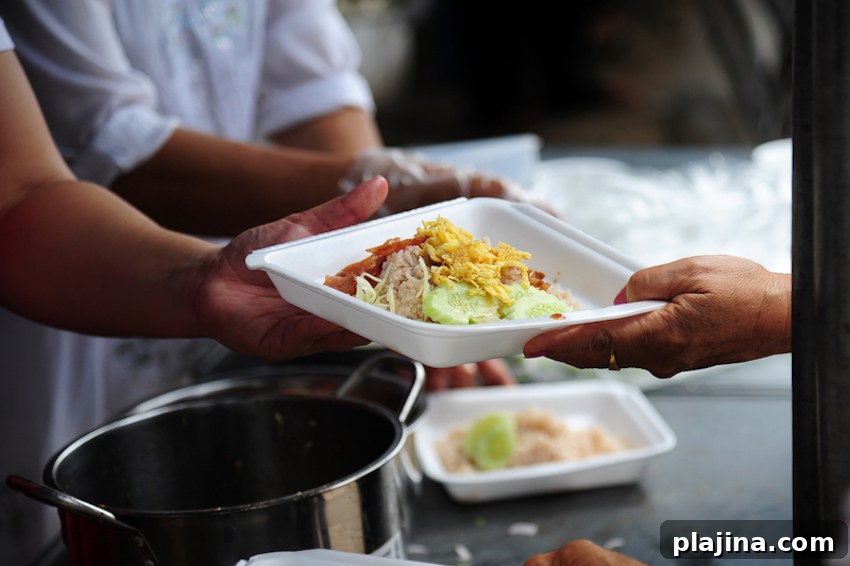
Between restaurants and grocery stores, a vast amount of food is wasted every day. Some Americans live in food deserts — areas with limited access to fresh, locally grown food — while others have an abundance of surplus produce. Goodr aims to bridge that gap by redirecting excess food to people and communities that need it most.
Operating under the motto “Feed More, Waste Less,” Goodr was founded by CEO Jasmine Crowe, who describes hunger not as a scarcity problem but as a logistics challenge. The organization focuses on connecting food-producing and food-selling businesses with local nonprofits to redirect surplus meals, produce and beverages before they go to waste.
Businesses sign up online to donate surplus food. Goodr coordinates pick-ups and deliveries, tracking each donation through an online profile. Donors can monitor the amount of food diverted from waste, see associated tax savings and measure community impact. This data-driven approach helps businesses better understand and manage their food supply while demonstrating measurable social and environmental benefits.
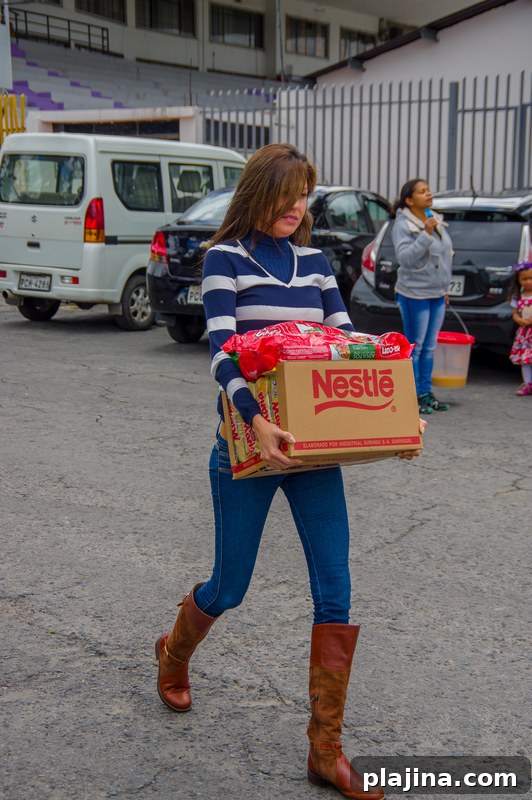
Donating food to nonprofit © Pablo Hidalgo | Dreamstime.com
Insurance and liability have historically been barriers to food donation. Goodr addresses these concerns by covering clients’ food supply and delivery logistics, helping ensure that donated items reach recipients safely and reliably. This creates a safer, more predictable process for donors and recipients alike.
Reducing food waste delivers multiple benefits: it trims costs for businesses, lowers greenhouse gas emissions, supports community food programs and contributes to better health outcomes for vulnerable populations. Redirecting perfectly good food that would otherwise be discarded is both an environmental and social win.
Food waste is not limited to the places where we live; it also occurs when we travel. The tourism and hospitality sectors generate substantial food surplus, particularly from buffets and large events. Recognizing this, industry groups have begun initiatives to reduce waste at the source.
The Pacific Asia Travel Association (PATA), in partnership with The Travel Corporation (TTC), launched efforts to address food waste within tourism. Through the BUFFET (Building an Understanding for Food Excess in Tourism) initiative, TTC supports awareness-raising and collaborative action across the travel industry. By bringing attention to where excess is created, PATA and partnering hospitality groups can implement strategies to prevent waste before it happens.
Travelers themselves can also play a role by being mindful of portion sizes, choosing sustainable dining options and supporting operators that prioritize waste reduction. TTC partners and brands—including Trafalgar, AAT Kings, Insight Vacations, Contiki Holidays, Thompsons Africa and CostSaver, as well as luxury lines like Uniworld Boutique River Cruise Collection, Inspiring Journeys, Luxury Gold and Red Carnation Boutique Hotel Collection—are participating in efforts to reduce food loss across their operations.
Combining the logistical solutions pioneered by organizations like Goodr with industry-wide initiatives in tourism can significantly cut food waste. With better coordination, data tracking and collective awareness, businesses, travelers and nonprofits can work together to redirect surplus food where it’s needed, reduce environmental impact and strengthen local food systems.