
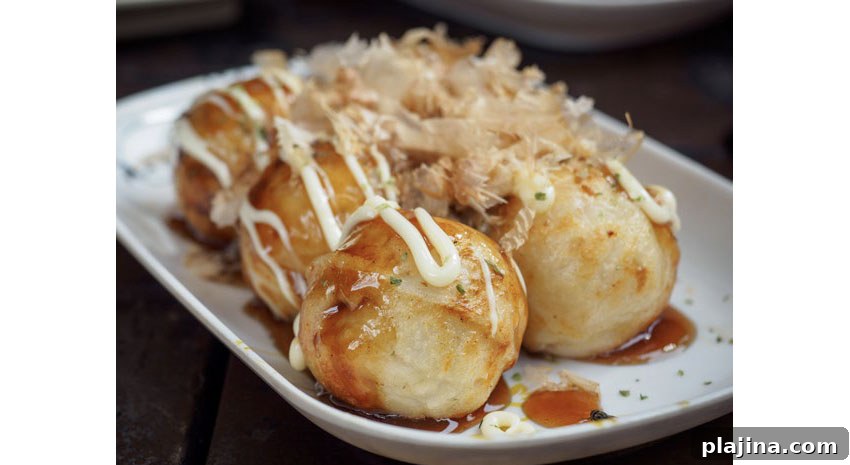
“I CAN’T WAIT TO EAT” captured the excitement that drove our trip to Tokyo. We were determined to eat our way through one of the world’s great culinary cities, so we chose hotels near two food-focused hubs: Tokyo Station and Tsukiji Fish Market. (Proximity to Tokyo Station was also practical—it’s faster and cheaper to get into the city from Narita by train or bus than by taxi.)
Tokyo Station doubles as a vast Japanese food court as much as it is a transportation hub. Inside and around the station you’ll find ramen, yakitori, sushi, takoyaki stands and convenience stores packed with local candies, cookies, chips and other snacks. Since food was our primary motivation, it made perfect sense to arrive in a place that could feed us immediately.
I insisted we stop at Daimaru, the department store connected to Tokyo Station. Its 12th floor hosts Maisen, a famous chain known for its tonkatsu—breaded, fried pork cutlets. We didn’t have the energy to dine in after a long international flight, so I grabbed two tonkatsu sandwiches to go: fried cutlets tucked between slices of white bread spread with tangy katsu sauce. Our hotel, the Four Seasons Hotel Tokyo at Marunouchi, is only minutes from the station. I ate one sandwich after check-in and the other when jet lag woke me up before 3 a.m.—classic travel behavior.
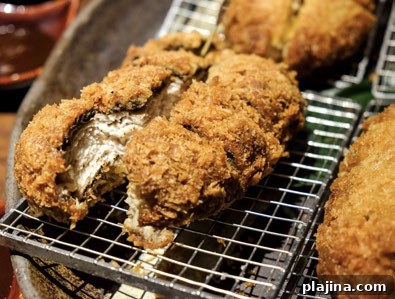
Tonkatsu © VAPADI | DREAMSTIME
After a jet-lagged morning, we had a simple breakfast of miso soup and rice, then rented bicycles from the Four Seasons to tour the Imperial Palace gardens. The palace grounds offer more than bonsai and manicured lawns: you’ll find moats, stone fortifications, guardhouses and graceful water features with curved bridges. It’s an atmospheric spot for a leisurely ride, but we didn’t linger—there was a spa waiting back at the hotel.
The Four Seasons Tokyo at Marunouchi is small and tailored to business travelers, but that made its spa feel intimate and restorative after a 14-hour flight. We soaked in a compact indoor onsen-style thermal bath—while it lacked the dramatic outdoor vistas of rural hot springs, the warm water and quiet atmosphere were just what we needed to shake off travel fatigue.
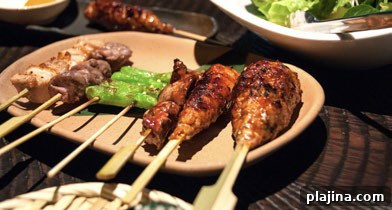
Yakitori © MARK ANDREWS | DREAMSTIME
Tokyo covers more than 840 square miles, so staying near Tokyo Station makes exploring the city far easier. The station’s train and subway connections make it simple to reach diverse neighborhoods. Western Koenji, with overflowing vintage and thrift shops, is a short ride away, as is Kichijōji—an easygoing, bohemian neighborhood with bustling yokocho alleys filled with artisan boutiques, bakeries, beer pubs and lively yakitori spots.
One night we ate at Tetchan, a two-floor street-food spot in Kichijōji known both for its food and a quirky, psychedelic decor. We sat at the packed counter to enjoy perfectly charred meats on skewers and ice-cold Sapporos, surrounded by the raucous conversation of a crowd that clearly came to the same conclusion we did: eat well and loud.
Later we moved to the Conrad Tokyo, on the Ginza side of the city, with only a few days left to explore more. Conrad’s “Stay Inspired” program lists curated local experiences in one-, three- or five-hour lengths—useful when your time is limited and options are overwhelming in a city as vast as Tokyo.
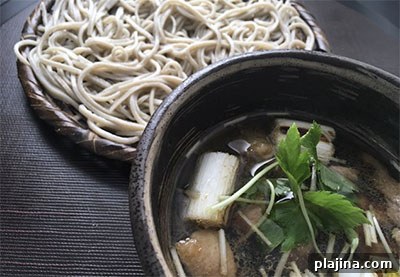
Guests learn to make buckwheat soba noodles at Tsukiji Soba Academy © TSUKIJI SOBA ACADEMY
We booked a three-hour soba-making class at Tsukiji Soba Academy led by Chef Akila Inoue. Wearing headscarves and aprons, we rolled dough and used knives to cut buckwheat into thin noodles, which we later enjoyed in steaming bowls of broth. The class also taught us a small but memorable truth: real wasabi is made fresh by grating the plant, not always squeezed from a plastic tube.
Conrad Tokyo is about a 15-minute walk from Tsukiji Fish Market. We missed the pre-dawn tuna auction, but arriving around 6 a.m. still offers a memorable market experience. Chefs and home cooks shop for fish and seafood as the salty scent of the sea fills the air. Many vendors, accustomed to curious travelers, hand out small plates of finely sliced tuna with soy sauce—an unexpected early-morning treat and a reminder that culinary discoveries were the goal of our visit.
Tokyo Info to Go
Two international airports serve Tokyo. Narita (NRT) is larger and farther from the city—transfers can sometimes take up to two hours—while Haneda (HND) is much closer to central Tokyo. Traffic can make taxi fares expensive (fares often start near $50 with late-night surcharges), so trains and airport buses are more economical. For example, an airport bus from Haneda into central Tokyo typically costs around $10 each way, depending on your destination.
Where to Stay in Tokyo
CONRAD TOKYO Sleek, spacious rooms in a skyscraper with dramatic city views and a refined bar on the 28th floor offering Japanese whiskey. 1-9-1 Higashi-Shinbashi, Minatoku
FOUR SEASONS HOTEL TOKYO AT MARUNOUCHI A boutique, centrally located hotel with a notable restaurant overlooking Tokyo Station’s tracks. 1-11-1 Pacific Century Place, Marunouchi, Chiyoda-ku
PARK HYATT TOKYO An iconic hotel in Shinjuku, well known from the film Lost in Translation, offering classic style and great views. 3-7-1-2 Nishi Shinjuku, Shinjuku-ku
Restaurants in Tokyo
NICHIGEKKA A spacious restaurant offering seasonal kaiseki in both table and traditional low-seating settings—dishes may include bitter tofu and blowfish. ZOE Ginza 6F, 3-3-1 Ginza
SUSHI SAITO A three-Michelin-star sushi destination; reserve well in advance for an exceptional, precisely balanced sushi experience. Ark Hills South Tower 1F, 1-4-5 Roppongi, Minato-ku
TETCHAN A loud, exuberant yakitori hangout in Kichijōji where the atmosphere is as much a draw as the charred skewers. 1-1-2 Honcho, Musashino-shi