
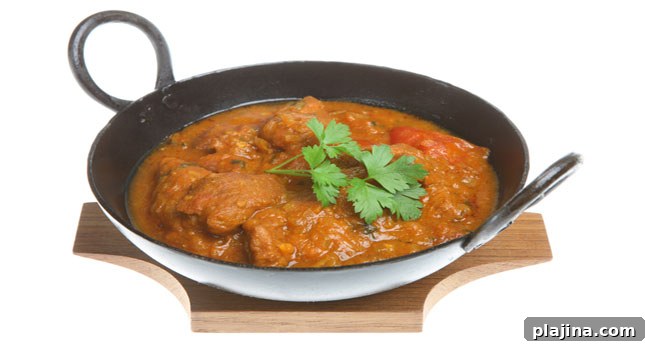
In Britain, vindaloo has earned a reputation as the spiciest of curries, more of a late-night rite of passage than a respected culinary classic. After pubs close on Friday or Saturday nights, groups of young men often head to Indian restaurants and, buoyed by alcohol-fueled bravado, ask for the hottest item on the menu: the vindaloo.
What they frequently receive bears little resemblance to the authentic dish. In many restaurants a vindaloo becomes a convenient catchall for excess chili powder; the intense heat dominates the plate and drowns out the character of the meat—whether chicken, beef, lamb, or otherwise. The result is a mouth-searing experience that produces pain and copious sweating rather than balanced flavor.
True vindaloo is subtler and more nuanced, and it is often based on pork. The original Goan vindaloo reflects a historical fusion of Portuguese and Indian culinary traditions. Its name comes from Portuguese roots that refer to wine or vinegar and garlic—vinegar plays a central role in the dish and gives it a tangy brightness that sets it apart from many other Indian curries.
Although an authentic Goan vindaloo can be hot, the heat never overwhelms the other components. Instead, chilies are part of an ensemble that includes vinegar, garlic, spices, and the natural flavor of the meat. Properly prepared, the dish achieves a balance in which acidity, spice, and savory elements complement one another.
Key qualities of an authentic vindaloo include a pronounced but well-integrated tang from vinegar, an aromatic spice blend that enhances rather than hides the protein, and a cooking technique that allows flavors to penetrate the meat. Marination is often used to infuse the flesh with vinegar and spices, and slow cooking helps meld and mellow the components so that no single flavor dominates.
Regional variations exist: Goan versions highlight the Portuguese influence and frequently use pork, while other Indian adaptations may substitute lamb, beef, or chicken according to local tastes or dietary preferences. Contemporary cooks sometimes reduce the heat to suit modern palates, but preserving the interplay of tang, spice, and meat remains essential to the dish’s identity.
For diners seeking authenticity, look for vindaloos that showcase a bright, vinegary note and a clear spice profile rather than those that rely solely on a wall of chili heat. A balanced vindaloo will invite appreciation of its ingredients—a harmony of vinegary sharpness, fragrant spices, and the satisfying texture of well-cooked meat—rather than simply testing the limits of one’s tolerance for spice.