
While many people associate Orlando primarily with theme parks and characters, the city offers a rich variety of attractions, parks and cultural scenes that reveal a more nuanced and vibrant side. After last week’s tragic events, the Global Traveler team extends heartfelt thoughts and support to Orlando’s residents and especially to the families affected. We stand in solidarity with the LGBTQ community during this difficult time.
The Orlando Eye towers 400 feet above the city and is the tallest observation wheel on the East Coast. Its climate-controlled glass capsules provide sweeping views of Orlando’s skyline, nearby lakes and suburban sprawl. The experience is relaxing and social—visitors often choose the optional Champagne service for special occasions. The attraction is open daily and on weekends can remain open as late as midnight, making it a scenic option for sunset and evening rides.
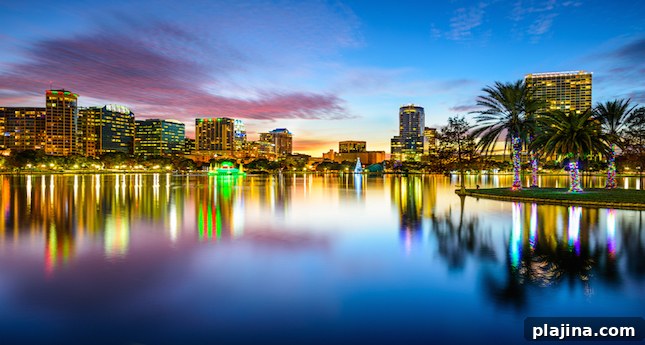
Lake Eola Park sits in the heart of downtown and is one of Orlando’s most photographed green spaces. The park’s paved pathways, ornamental lake and swan boats create a serene retreat amid the city. Locals and visitors alike use the space for jogging, fitness classes, farmers’ markets and festivals. Its skyline views and well-maintained landscaping also make it a popular backdrop for engagement sessions, family portraits and seasonal events.
Just north of downtown, Wekiwa Springs State Park preserves about 7,000 acres of natural Florida habitat and offers 13 miles of trails. The park’s crystal-clear springs feed cool swimming areas and paddling routes ideal for kayakers and canoeists. Hiking trails range from easy loops to longer paths through pine flatwoods and hammocks. Wekiwa is especially popular in the summer; to avoid crowds, try arriving early in the day for swimming, wildlife watching and quiet exploration.
Orlando Wetlands Park is a destination for birdwatchers, nature photographers and anyone interested in Florida’s wetland ecosystems. The park contains roughly 20 miles of trails winding through marshes and shallow lakes that attract herons, egrets, ospreys and other waterbirds. Alligator sightings are common from safe viewing distances. The park is managed for conservation and education, and visitors can observe a variety of threatened and endangered species in their natural habitats during daylight hours year-round.
Harry P. Leu Gardens is a 50-acre botanical oasis located just minutes from downtown Orlando. The gardens showcase historic live oaks draped in Spanish moss, camellias and themed plant collections that change with the seasons. Meandering paths lead past formal beds, tropical plantings and shaded lawns, making it a peaceful place for a leisurely walk or a quiet afternoon of plant study. Horticulture enthusiasts can arrange appointment-based activities such as cuttings and seed-collecting sessions to take home a piece of the garden for their own planting projects.
Church Street sits in the heart of downtown Orlando and has long been a focal point for community gatherings, nightlife and public events. In the wake of recent tragedy, the street has also been the setting for candlelight vigils and communal remembrance. Outside of those solemn moments, Church Street remains a lively corridor with dining, shopping, entertainment venues and historic buildings that contribute to Orlando’s urban personality.
The Lake Cherokee Historic District preserves a notable collection of historic homes and buildings that trace architectural trends from the late 19th century onward. With roughly 160 structures spanning Victorian, Mediterranean Revival, Colonial, Tudor and Art Deco styles, the district is a testament to Orlando’s evolving residential and design history. Architecture enthusiasts will appreciate self-guided walks that highlight distinctive facades, detailed ornamentation and the neighborhood’s sense of continuity.
Orlando’s appeal goes beyond theme parks: urban parks, natural preserves, gardens and historic districts combine to offer diverse experiences for residents and visitors. Whether you’re seeking outdoor recreation, botanical beauty, wildlife viewing or architectural interest, Orlando provides accessible and meaningful places to explore. In this moment of reflection, the city’s resilience and the compassion of its communities are as important as ever.