
The capital of southwest Germany’s Baden-Württemberg, Stuttgart, is often passed over for larger cities such as Berlin, Munich and Cologne. Yet this historic city deserves a spot on any itinerary. Visitors frequently find Stuttgart full of unexpected experiences, from soothing mineral baths to elegant palaces and rare botanical collections.
Here are five surprising things in Stuttgart that will likely exceed your expectations:
1. A True Spa City
Stuttgart sits on abundant mineral springs—about 11.5 million gallons of mineral water emerge from its wells each day. These medicinal springs, concentrated in the Bad Cannstatt and Berg districts, have been used for bathing, medical treatments and relaxation for centuries. The city operates three municipal mineral baths: Leuze, Mineralbad Berg and SoleBad Cannstatt am Kurpark, all popular with both locals and visitors seeking healthful, restorative experiences.
© Stuttgart Marketing
2. Hohenheim Palace and Rare Horticulture
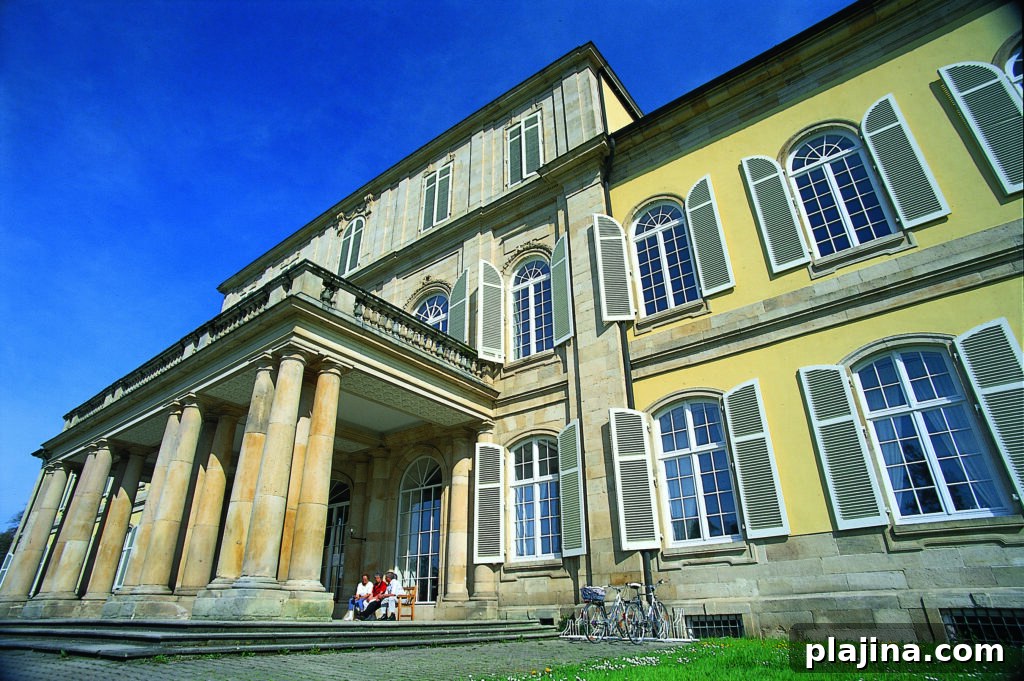
South of central Stuttgart, Hohenheim Palace was modeled after Versailles and features stately rooms open for tours and events. Its real draw, however, is the expansive gardens and botanical collections. The grounds include the Botanical Garden, Landesarboretum, Exotic Garden and Landscape Garden, home to more than 8,000 plant species. Visitors can admire giant trees over 200 years old, rare magnolias and a graceful poplar-lined promenade—an exceptional place for plant lovers and quiet strolls.
© Sarah Schmid
3. The Bohnenviertel — The Bean Quarter
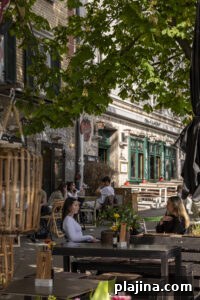
The Bohnenviertel, or Bean Quarter, is a charming neighborhood known for its cozy cafés, antique shops, intimate wine bars and artists’ studios. Its narrow streets and historic atmosphere make it ideal for wandering and discovering unique boutiques. Each year the district hosts the Stuttgart Bohnenviertel Festival, featuring live music, local food and drinks. During the festival, residents decorate with garlands and plant beans in a lighthearted celebration that crowns one lucky resident as Bean King.
4. Schloss Solitude — Solitude Palace
Schloss Solitude, literally “Solitude Palace,” was commissioned by Duke Carl Eugen and sits on a hill overlooking the Württemberg plains. Built in late Rococo and Neoclassical styles, the palace remains largely intact and is prized for its architecture, sweeping views and serene setting. Some areas near the palace have been converted into paved public paths that invite leisurely walks while taking in panoramic vistas.
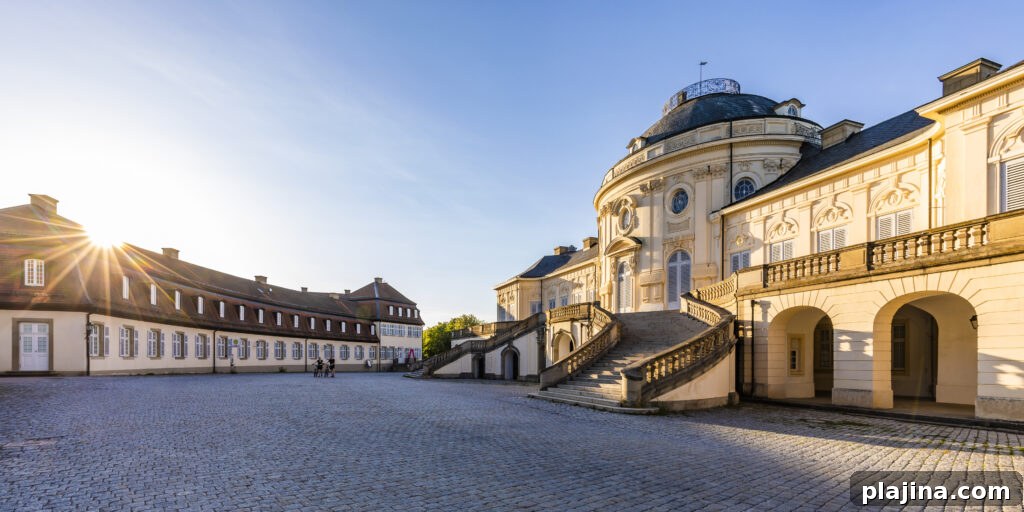
Schloss Solitude © Werner Dieterich
5. A Romantic Hilltop Sepulchral Chapel
Perched on a hilltop and offering sweeping views of Stuttgart, Rosenstein Palace and Wilhelmsbau, the sepulchral chapel was built by King Wilhelm I in memory of his wife, who died young in 1819. He dismantled the old Württemberg ancestral castle to create this intimate memorial chapel. Today it is considered one of the region’s most romantic vantage points—an evocative spot for reflection and to admire the city spread out below.
Stuttgart blends history, green spaces, restorative waters and lively neighborhoods into a compact, rewarding destination. Whether you come for its spa culture, botanical treasures or architectural landmarks, the city has memorable surprises around nearly every corner.