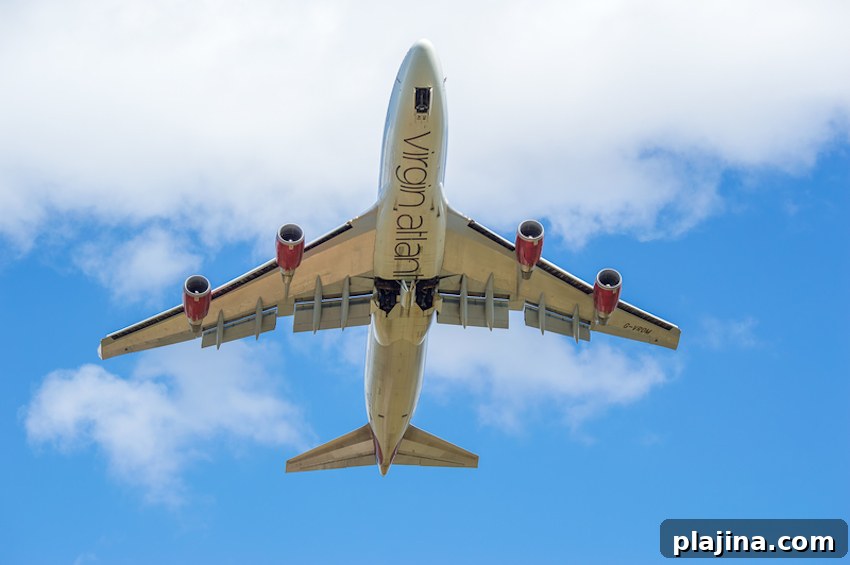
Virgin Atlantic has shared further details about the refurbishment of four Airbus A330-200 aircraft it acquired earlier this year following the collapse of airberlin. The short-term lease of these jets will help the airline maintain schedule resilience while it manages a global shortage of Rolls‑Royce Trent 1000 engines affecting its Boeing 787 fleet.
Originally delivered in a two-class configuration with economy and business cabins, the A330-200s will be reconfigured to introduce a new premium economy cabin. From November, each aircraft will include a 35-seat premium economy section, featuring a 38-inch seat pitch to deliver noticeably more legroom and comfort compared with standard economy seats. This addition aligns with Virgin Atlantic’s strategy to offer a clearer choice between cabin experiences and to meet growing customer demand for more comfortable, mid‑tier options on medium- and long-haul routes.
The economy cabin will also receive a series of upgrades. Passengers can expect refreshed interior details including new leather headrests and updated lavatories. The airline plans to enhance the overall ambience with tasteful mood lighting and new wall finishes designed to reflect Virgin Atlantic’s distinctive style while improving the sense of space and comfort throughout the cabin.
Upper Class — Virgin Atlantic’s business-class product — will undergo its own styling refresh. The carrier says the Upper Class area will be given a sleek new makeover that modernizes the look and feel while maintaining the premium features customers expect in this cabin.
Daniel Kerzner, Virgin Atlantic’s vice president of customer experience, commented on the project: “Earlier this year, we acquired A330-200s to maintain our flying programme and were committed to refurbishing these aircraft to our high standards. We quickly gathered insights from our customers that have influenced the exciting product we’re launching later this year. In only a few months we’ve been able to source, design and manufacture new cabin interiors, which is a true testament to our teams and their focus on giving our customers a truly Virgin Atlantic experience. When life gives you lemons, we say, make sparkling lemonade!”
The refurbishment program emphasizes a balance of practicality and style. By adding premium economy and modernizing both economy and Upper Class cabins, Virgin Atlantic is positioning these short-term leased aircraft as a comfortable and cohesive part of its fleet while longer-term engine supply issues are addressed. The work reflects the airline’s wider goal of delivering consistent customer experience across different aircraft types, ensuring travelers can expect recognizable standards of comfort, service and cabin aesthetics whether flying on a leased A330-200 or one of the carrier’s other jets.
Technically, the A330-200 remains an efficient, medium- to long-range twinjet commonly used on transcontinental and regional routes. Virgin Atlantic’s interior changes are intended to maximize passenger value on routes where these aircraft supplement the existing schedule. The 35-seat premium economy cabin provides a distinct product layer that can attract both leisure and business travelers seeking more space without the full cost of a business-class ticket.
Virgin Atlantic’s swift turnaround from acquisition to refurbishment demonstrates operational agility: sourcing materials, finalizing designs and completing manufacturing in a condensed time frame. The carrier’s focus on customer-informed design choices aims to ensure the updated cabins not only look modern but also respond to passenger priorities such as comfort, lighting, and practical amenities.
As the reconfigured A330-200s enter service in November, passengers should notice the combined effect of the new premium economy offering, refreshed economy details, contemporary mood lighting, and a modernized Upper Class environment. Together, these changes are intended to keep Virgin Atlantic’s product consistent across its network while providing improved comfort and choice for travelers during a period of industry-wide equipment challenges.