
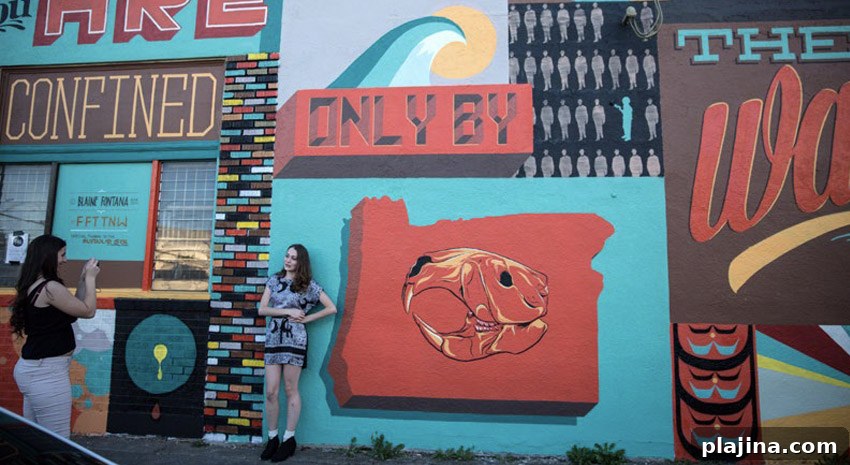
Portland, Ore., is often associated with quirky characters popularized by the sketch show Portlandia, but the Rose City has evolved well beyond its stereotype. While the creative spirit and local, handcrafted culture remain part of the city’s personality, Portland has grown into a dynamic regional center for business, innovation, and economic opportunity.
Evidence of that growth is visible across the skyline: construction cranes and new developments, especially downtown, point to a sustained building boom. Over the first 10 months of the current fiscal year, the City of Portland issued about 12,000 building permits representing a record $2.5 billion in construction—roughly $6 million more than the prior year. Rising population and demand have driven substantial residential and commercial investment.
A major driver has been the technology sector. The nickname “Silicon Forest” reflects the influx of tech companies and talent that have established roots in the region. Established firms like Tektronix, Intel and Mentor Graphics helped seed a thriving ecosystem, and software and IT remain among Oregon’s fastest-growing industries.
Recent data indicate that growth is normalizing: Portland State University reported in May that population growth has slowed from around 3 percent to closer to 1 percent over the past year, aligning the region more closely with national averages. Nevertheless, the U.S. Census Bureau named Portland the 14th fastest-growing metro area in the country in recent estimates, and Oregon continues to maintain a record-low unemployment rate driven by ongoing job creation—factors that keep the region attractive to businesses and new residents.
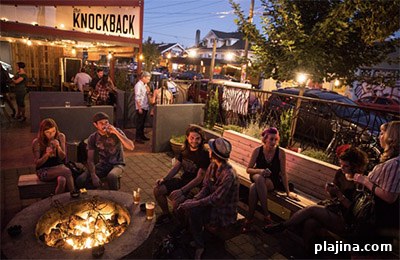
The Knock Back © TRAVELPORTLAND
Portland International Airport (PDX), frequently lauded among the nation’s best airports, is preparing for a five-year, $1.3 billion renovation of its core terminal—the first major overhaul since 1956. These upgrades are designed to increase capacity and modernize passenger facilities to keep pace with record-setting passenger volumes seen over the past several years.
Hotel development is keeping step with travel and business demand. Marriott opened two new properties downtown this year, and Hilton planned multiple additions to the downtown market, including the Porter Hotel and a Canopy by Hilton in the Pearl District. Radisson RED announced a tech-forward Broadway Tower property featuring app-driven guest services. Altogether, the city expected more than 1,700 new rooms to come online by the end of 2017 and an additional roughly 1,600 rooms in 2018.
One high-profile project, the Hyatt Regency Portland at the Oregon Convention Center, broke ground earlier this year. The $224 million, LEED-certified, 600-room property is slated to open in late 2019 and should bolster Portland’s ability to host large conferences and conventions, potentially generating substantial convention-related spending for the region.
The Lloyd District around the convention center is also being revitalized with improved public spaces, sidewalks, retail storefronts and dining options to create a more attractive environment for visitors. Lloyd Center, Oregon’s largest shopping mall, is completing a two-year remodel that will add multiple full-service restaurants and refresh the retail mix.
Cultural and recreational attractions have grown as well. The Portland Japanese Garden completed a major expansion in April, adding 3.4 acres to its historic 9.1-acre site and introducing new educational spaces and architectural features to accommodate more visitors. The $33.5 million project strengthens the garden’s standing as a world-class destination.
Portland’s reputation for outstanding food and drink continues to flourish. The craft beer and beverage scene remains a major draw: in 2016 alone, a dozen new breweries opened inside the city, while distilleries, wineries and cideries expanded rapidly. Between January 2008 and September 2016, the alcohol and beverage industry added more jobs in Oregon than even the software sector, highlighting the economic importance of food and drink production and hospitality.
Overall, Portland blends a creative, local culture with concrete economic growth and diversified development, making it both an appealing place to do business and an enjoyable city to explore—especially if you appreciate excellent beer after a long workday.
SCENIC DRIVES
Portland’s location makes it an ideal base for scenic drives to both the Pacific Coast and the Cascade Mountains. Oregon’s public coastline stretches 363 miles and remains accessible to everyone, and the Pacific Coast Scenic Byway provides a direct route to iconic destinations. Cannon Beach is a popular stop for art galleries, boutiques, and the 235-foot Haystack Rock set against dramatic ocean waves. South along the coast, Garibaldi serves as a gateway for fishing and kayaking, while Depoe Bay is known for whale-watching excursions. The Tillamook Cheese Factory is a frequent favorite for visitors, offering tastings and a look at regional cheese production.
East of Portland, the Mount Hood Scenic Byway showcases prime Pacific Northwest forests and the glacier-capped summit of Mount Hood—Oregon’s highest peak. The route follows the mountain’s southern slopes and winds through the fertile Hood River Valley, noted for its wineries, breweries, and fruit orchards. At the valley’s northern end, the town of Hood River offers excellent dining, more breweries, and the chance to watch windsurfers on the Columbia River, making it a rewarding day trip or weekend escape from the city.