
A business traveler’s worst fear — being stranded when a severe European snowstorm forces multiple airports to close — became a reality for Peter Shankman two days before Christmas last year.
“I was on a Lufthansa flight bound for Frankfurt when the airport shut down,” recalls Shankman, a Continental Airlines OnePass elite member. “We were rerouted, and I had only 45 minutes to make the single Continental flight to the East Coast. Because Continental is part of Star Alliance, Lufthansa honored my elite status and escorted me to the gate so I could catch the connection to Newark. If not for that recognition, I would have spent the holidays away from my family.”
When airline alliances were first imagined more than two decades ago, they promised more seamless travel and improved service. What began as marketing and codeshare agreements evolved into global partnerships designed to expand route options, improve connectivity and reward loyal travelers. Business travelers greeted the idea enthusiastically: alliances could extend reach while preserving elite benefits.
Since Star Alliance formed in 1997, followed by SkyTeam and oneworld, these three alliances have grown to include dozens of carriers operating tens of thousands of daily flights. Collectively they now account for a significant share of global airline capacity and include many of the world’s largest carriers.
Using airline alliances allows frequent flyers like Shankman — who logs more than 250,000 miles each year on Continental — to access a wider global network while keeping their elite privileges. For him, alliances are essential to a manageable business travel routine.
“My travel pattern is similar to highway commuters, except I go much farther,” he explains. “Commuters pay to use an express lane and avoid congestion; I’m willing to pay a bit more for priority service — faster check-in, better boarding, lounge access. As alliances expand, I can fly virtually anywhere within Star Alliance and still benefit from my status.”
For many frequent travelers, alliances have made international travel more seamless. Member carriers coordinate schedules, honor elite status across partners and provide wider access to lounges, upgrades and priority services, which together improve convenience and consistency.
Domestic travelers can view alliances differently. Denver-based United lifetime million-miler Steven Prather expresses skepticism, especially after the United-Continental merger. “On a typical Denver–Los Angeles flight with 180 seats, there might be 100 frequent flyers in the priority line: 60 Premier Executives and 40 with 1K. Even with my status, I sometimes struggle to get a United Plus seat. Merging frequent-flyer programs doesn’t fix that congestion.”
Prather adds that some lifetime benefits have eroded. “We used to get two regional upgrades per year within North America; that’s gone. The 100 percent mileage bonus dropped to 50 percent. The only notable addition was the ability to grant elite status to my spouse. It’s disappointing after earning my status the hard way.”
Despite frustrations, Prather remains loyal: United’s schedule suits his travel needs, and VIP perks like priority check-in, boarding, baggage handling, lounge access and occasional upgrades still make business sense.
Passenger loyalty depends on many factors: geographic convenience, hub locations, aircraft types, lounge quality and upgrade chances. Travelers without elite status often find themselves on long standby and wait lists for full flights.
Frequent flyer consultant Dave Dudar likens many of us to the protagonist of the movie Up in the Air — seeking recognition and status that make travel less stressful. “No single airline can offer the global coverage and benefits that alliances provide,” he says.
Once travelers experience VIP recognition, they are reluctant to leave. With tighter corporate travel budgets and fewer trips for some, maintaining elite status requires deliberate tracking of miles and segments. For elites, the value is about more than award miles: it’s legroom, lounge access, upgrades and a dedicated support line during disruptions. When partner airlines honor elite status across an alliance, the perceived value of that status increases significantly.
Alliances have established a durable role in the industry. By coordinating routes, sharing codes and investing jointly in facilities like lounges and VIP services, member airlines move business travelers efficiently while controlling costs and maximizing revenue opportunities.
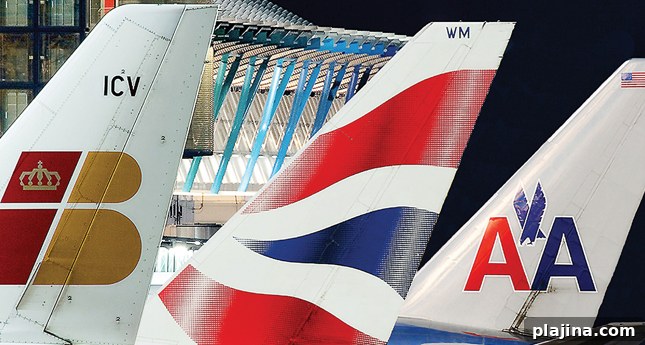
Michael Blunt, vice president of corporate communications for oneworld, notes that alliances remain necessary while individual airlines lack the reach of a global network. “oneworld multiplies the effective coverage of member carriers such as American Airlines. It extends the frequent flyer’s reach while preserving elite benefits across the family of airlines.”
For passengers, alliances mean more services and choices; for carriers, the benefits usually outweigh drawbacks. Alliances help airlines compete, increase flight frequency within partner networks and offer customers greater flexibility and options.
Executives at member airlines report continued investment in alliance-related customer initiatives. British Airways’ Simon Talling-Smith says personalization is improving: cabin service crews carry information about elite customers to provide tailored gestures, apologies or small upgrades when appropriate. Aligning schedules between partner carriers also creates more flight options and smoother connections for travelers.
Ihsan Baytan of Turkish Airlines, a Star Alliance member, emphasizes that alliances are crucial for global competitiveness. “Airlines must offer extensive destination networks and codeshare connections to serve today’s passengers. Joining an alliance is the most efficient way to deliver that benefit.”
Fatma Yuceler of Turkish Airlines’ Los Angeles office echoes the point: no single carrier can match the destination reach and frequent-flyer advantages that alliances offer. “The market will be led by the strongest alliances rather than by individual airlines.”
Despite occasional debate about regulations and the possibility of another alliance forming, most travelers and carriers see alliances as the future of international air travel — and very much the present reality.
Top Three Airline Alliances
oneworld
Established in 1998 by American Airlines, British Airways, Cathay Pacific and Qantas, oneworld includes multiple member and affiliated carriers operating thousands of daily flights to hundreds of global destinations. The alliance expands members’ reach and preserves elite benefits across partner airlines.
SkyTeam
Founded in 2000 by Aeromexico, Air France, Delta Air Lines and Korean Air, SkyTeam’s member airlines operate extensive daily services to dozens of countries, offering broad international connectivity and coordinated schedules for frequent flyers.
Star Alliance
Launched in 1997, Star Alliance is one of the largest global networks, bringing together numerous carriers to offer wide coverage, coordinated connections and reciprocal elite benefits that help business travelers and frequent flyers move around the world more efficiently.