
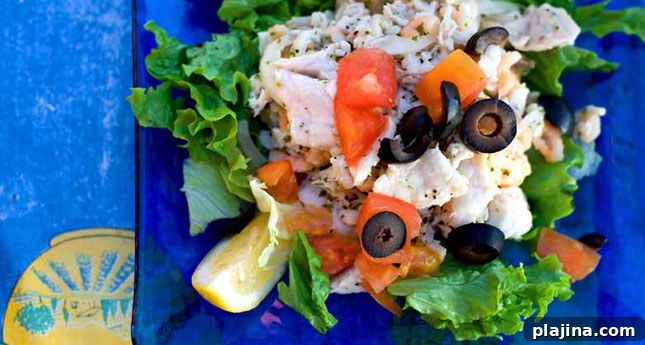
June 28 is National Ceviche Day, celebrated annually in Peru to honor a dish so central to the country’s culinary identity that it has its own day. While the exact origin of ceviche is debated, many food historians trace its roots to Peru, with influences that likely arrived from Moorish cooks from Granada. Today, ceviche is enjoyed across the Americas and gained widespread popularity on U.S. menus starting in the 1980s. Each country adds its own regional touch, resulting in numerous variations, especially in Peru, Colombia and Ecuador.
Ceviche is made from fresh, raw fish “cooked” by the acid in citrus juices and brightened with chili peppers. The citrus acids denature the proteins in the seafood, changing its texture and appearance much like heat would. Typical seasonings include sliced onions, salt and cilantro. Because the dish relies on freshness and the delicate balance of acid and seasoning, it should be prepared shortly before serving; many fish varieties finish marinating in the brief time it takes to combine ingredients and bring the plate to the table. Common accompaniments include sweet potato, lettuce, corn, avocado and fried plantains.
Traditional Peruvian ceviche usually features chunky pieces of fresh white fish—often corvina or sea bass—marinated in key lime and bitter orange juices, and mixed with sliced onions, chili peppers, salt and pepper. It is commonly served at room temperature alongside corn on the cob and boiled or roasted sweet potatoes. Regional differences are notable: in Lima you might see ceviche made with sole, while in Trujillo shark is a local choice. Historically, fish sometimes marinated for several hours, but beginning in the 1970s chefs such as Dario Matsufuji and Humberto Sato, influenced by Japanese techniques, popularized much shorter marinating times—sometimes only a few minutes. For best texture and flavor, ceviche is ideally prepared to order and served promptly.
Home preparation tips for great ceviche:
- Choose semi-firm, white-fleshed ocean fish—these hold up well to acid. Avoid oily species and freshwater fish for best results.
- Purchase the freshest fish available; look for glossy, translucent flesh and a clean scent.
- Keep the fish cold: store it on ice in the refrigerator and make ceviche the same day you buy it.
- Ask your fishmonger to remove the bloodline, skin and bones to simplify preparation and improve texture.
- Cut the fish and other ingredients to uniform sizes so they marinate consistently.
- Marinate for an appropriate time—typically around 10 to 20 minutes for many white fish; some delicate varieties can fall apart if left for more than an hour.
- Use about one-half cup of citrus juice per pound of fish as a reliable guideline for balance between acid and seafood.
With attention to freshness, proper handling and timing, you can enjoy a bright, flavorful ceviche at home that reflects the essence of this classic Latin American dish.