
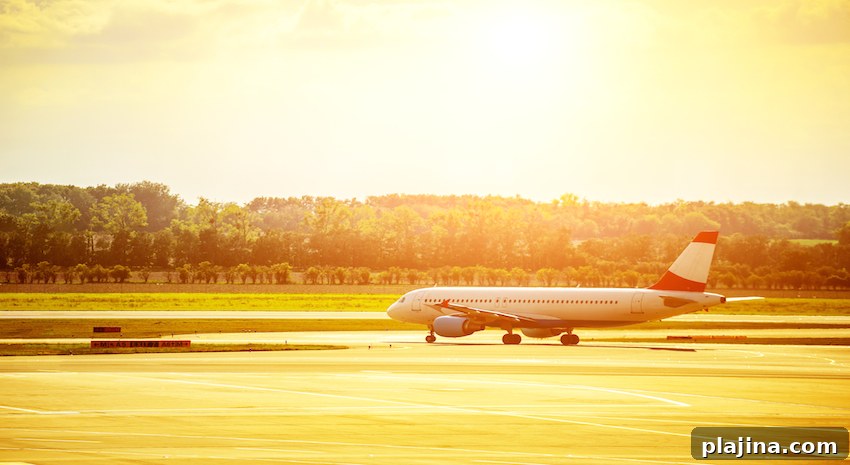
Weather already causes a significant share of flight disruptions — roughly one-third of delays are attributed to adverse weather.
Now heat is emerging as another important factor. A study published in the journal Climatic Change finds that rising temperatures could increase flight cancellations and operational limits, similar to the mass disruptions that occurred in Phoenix, Arizona, in June when temperatures exceeded 118°F and many flights were canceled.
High temperatures reduce air density, which lowers the lift generated by an aircraft’s wings and can also limit an airplane’s allowable takeoff weight. When the air is thinner, aircraft need more runway and less weight to achieve safe liftoff.
The study reports that during the hottest hours, 10 to 30 percent of fully loaded aircraft may need to offload fuel, cargo, or passengers, or delay departures until cooler conditions prevail. Without reducing weight, flights may be delayed or canceled for safety reasons.
On extreme heat days, some aircraft must cut weight by as much as 4 percent. For many common passenger jets, that reduction can translate into losing a dozen or more seats — roughly 12 to 13 fewer passengers per flight depending on the model.
As average global temperatures continue to rise — with recent years setting record highs — airports and airlines will increasingly face challenges adapting operations to hotter conditions. Strategies to mitigate the impact include adjusting schedules to cooler parts of the day, modifying payload planning, and investing in infrastructure and procedures to ensure safety and minimize disruptions.