
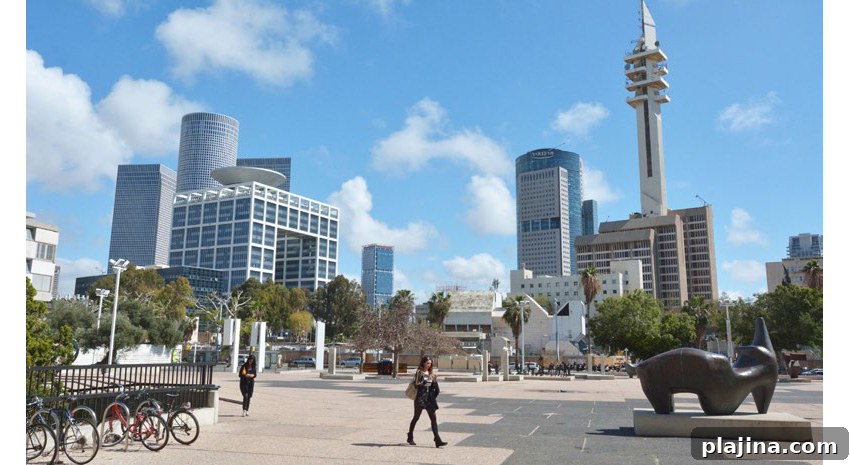
THE BRIGHT SUNLIGHT that bathes Tel Aviv’s shoreline also highlights a city defined by creativity and opportunity. Often compared to global tech hubs, Tel Aviv supports one of the world’s most dynamic technology ecosystems. Startups thrive here with government-backed incentives, low transactional friction and strategic programs aimed at strengthening Israel’s core economy.
In the first half of 2016 alone, investors poured more than $2.8 billion into Israeli businesses. Major global companies maintain significant research and development operations in the country: Facebook opened one of its largest R&D centers here, and more than 270 multinationals operate in Israel, including Microsoft, Apple, Google, Intel, LG, Siemens, GE, Samsung and HP.
Many early advances in mobile technology originated in Israel. Contributions to well-known products and platforms—such as work that supported Xbox Kinect and developments related to the Universal Serial Bus—trace back to Israeli teams. Tel Aviv is home to influential tech firms like Outbrain and Taboola (content discovery), Wix (web development) and Check Point (cybersecurity).
Despite being a relatively young nation, Israel’s greatest advantage lies in its people. A highly educated, skilled workforce is a central pillar of the country’s success.
“To understand how this growth happened, you need to remember we are a young, immigrant country,” says Sharon Eshaghian, director of business development for the Government of Israel Economic Mission to the West Coast. “Military service plays a major role: mandatory service gives many Israelis technical experience.”
Eshaghian adds that beyond technical skills, military service fosters teamwork, quick decision-making, risk-taking and resilience under pressure. “People are encouraged to question authority and justify their views,” she explains. “That attitude is, in many ways, the secret sauce of our success.”
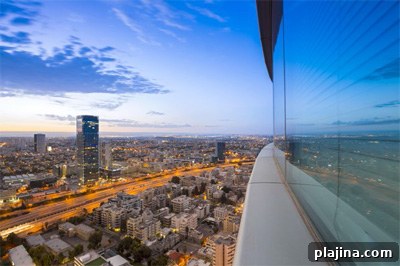
Tel Aviv at sunset © SLIDEZERO | DREAMSTIME.COM
The government provides extensive support and infrastructure for innovation. Programs run by offices such as the Office of the Chief Scientist guide entrepreneurs through every stage of development and investment, and resources are available through a centralized online portal. Support spans many sectors: pharmaceuticals, life sciences, homeland security, wearables and agriculture. Netafim’s drip irrigation is an example of an Israeli innovation born of necessity and adapted worldwide.
“We recycle over 85 percent of our water for industrial use,” Eshaghian notes. “With limited natural water resources, Israel developed cost-effective, sustainable ways to reuse water for agriculture and manufacturing.”
New growth areas include cybersecurity, where partnerships with global firms like Lockheed Martin and Volkswagen target automotive cybersecurity solutions. Drone and counter-drone technologies are also expanding; companies such as Airfence have developed systems that distinguish authorized drones from unauthorized ones.
Other rapidly advancing fields are wearable devices that connect beyond traditional computers, artificial intelligence, and augmented and virtual reality. Israel has produced early consumer VR cameras and contributed core technologies for large-scale projects, helping content creators and hardware developers explore immersive formats.
Tel Aviv offers programs to ease business formation, including tax incentives, seed funding and incubators. The city also supports Israeli companies overseas, helping established tech firms identify new investment and development opportunities abroad.
“Wherever technology is needed,” Eshaghian says, “Israel tends to develop it and take a leadership role in its deployment.”

Ruthie Rousso hard at work in the kitchen © ZOHAR RON
CHECKING IN WITH RUTHIE ROUSSO
International chef, food writer and television personality
What’s trending within Tel Aviv’s culinary scene — any exceptional new restaurants that should be on the radar of visitors?
The prevailing trend is sophisticated casual dining: celebrated chefs are opening more approachable sister restaurants that serve excellent food quickly and at lower prices. Many of these spots appear in the city’s new indoor food markets, such as Shuk Tzafon and Sarona Market. The “new Israeli” cuisine emphasizes seasonal, colorful, boldly plated dishes often eaten by hand. It blends traditional Palestinian agriculture, ingredients and techniques with modern global approaches to aesthetics and nutrition. Notable places to try this style include Rak Hayom (Shuk Tzafon), Habasta, North Abraksas and Joz Veloz.
Are there more dedicated chefs or chef-driven restaurants now than in recent years?
Tel Aviv’s dining scene has expanded enormously, arguably among the fastest-growing in the world. Developments like Sarona Market sparked a wave of openings, creating high demand for cooks and front-of-house staff. Many new venues are indeed chef-driven, and the rise of food programming on television has elevated local chefs into public figures. Still, many successful restaurants were built through hard work rather than instant celebrity.
What food, ingredient or dish would you miss the most if it suddenly disappeared?
Tahini and lemon — indispensable in everyday cooking. When I travel, I even bring tahini along because it’s unexpectedly useful in countless dishes.
Things to Do in Tel Aviv
After business hours, explore Tel Aviv’s cultural and culinary offerings. A walking tour of Bauhaus architecture in the White City and a stop at the Carmel Market are essential. Newer destinations, like Sarona Market and Shuk Tzafon (North Market), offer lively dining, shopping and music scenes. Each shuk has its own distinctive atmosphere.
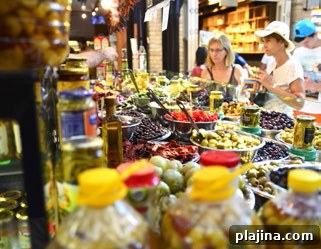
Assortment of marinated olives at a stall in Sarona Gastro Market © TERENCE MENDOZA |
DREAMSTIME.COM
Sarona Market is the city’s largest culinary market, featuring 91 stalls and shops and a broad selection of local and international products, from specialty vinegars to world cheeses and Atlantic seafood. Shuk Tzafon in Ramat Hachayal is smaller and more neighborhood-focused, with around 15 stalls and 15 specialty shops; it’s popular with residents and nearby tech workers.
For museums, visit Beit Hatfutsot (the Diaspora Museum) on the Tel Aviv University campus to explore exhibits about Jewish history and culture. The Eretz Israel Museum presents archaeological finds and historical artifacts across multiple pavilions. The Old Tel Aviv Port area offers cafés, shops, seaside bars and chef-driven restaurants—an enjoyable place to relax and sample local flavors.
Tel Aviv Info to Go
Ben Gurion International Airport is about nine miles southeast of Tel Aviv. A train station at Terminal 3 connects to the city; travel time to Savidor Central Railway Station is roughly 18 minutes. Note that trains do not run on Jewish holidays or during Shabbat (Friday afternoon to late Saturday evening). Buses, taxis, limousines, private shuttles and shared door-to-door taxis (sheruts) provide additional transport options. Major car rental companies operate desks in the arrivals hall.
Tel Aviv: Just the Facts
Time zone: GMT +2
Phone code: Country code/city code: 972 3
Currency: New Israel shekel
Key Industries: High-technology products, wood and paper products, food and beverages, chemical products, cut diamonds, textiles
Official Language: Hebrew and Arabic
COMING AND GOING
U.S. citizens need a passport valid for at least six months beyond the date of entry with at least one blank page. Stays of 90 days or less do not require a visa. Some travelers may be denied entry based on specific affiliations.
Where to Stay in Tel Aviv
InterContinental David Tel Aviv A classic, 555-room property popular with luxury business and leisure travelers, featuring a pool, full-service spa and proximity to downtown and the beachfront.
Kaufmann St. 12
Hotel Montefiore A boutique property blending history and luxury, restored from its 1922 origins and located steps from Rothschild Boulevard.
Montefiore 36
The Poli House A design-forward boutique hotel with modern art-inspired interiors, meeting rooms, a spa and a rooftop event space.
Nahalat Binyamin St. 1
Restaurants in Tel Aviv
Hotel Montefiore Restaurant A French-meets-Vietnamese menu paired with boutique and international wines; popular for leisurely brunches.
Hotel Montefiore, Montefiore 36
Oasis Chef-driven international fusion cuisine that highlights local producers and imaginative flavor combinations.
Montefiore St. 17
Popina Located in historic Neve Tzedek, Popina offers romantic tasting menus crafted by Chef Orel Kimchi for a refined dining experience.
Ahad Ha’am St. 3