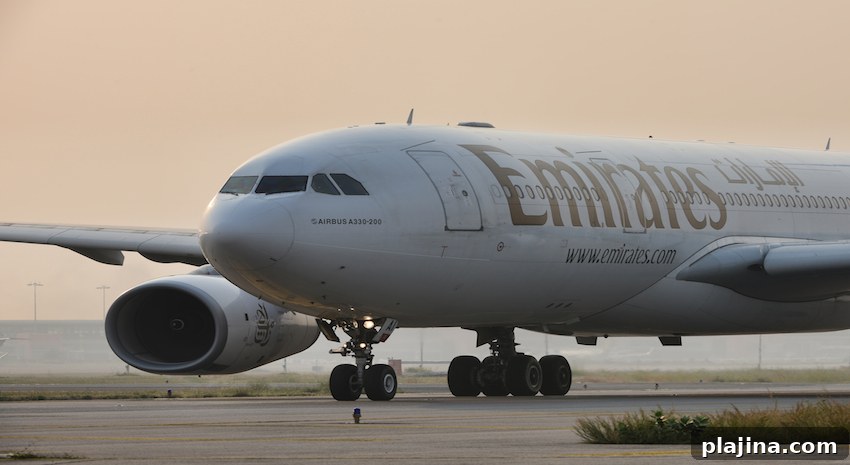
One of the world’s largest international carriers is planning to shrink part of its operation to better serve a different segment of travelers. Emirates, the Dubai-based airline famous for its double-decker widebodies and upscale cabins, is exploring the purchase of smaller aircraft and a simplified onboard product to appeal to no-nonsense flyers and to boost regional connectivity through its Dubai hub.
Rather than expanding its long-haul, high‑luxury fleet, the airline is reportedly weighing options for single-aisle or smaller twin-aisle planes such as Boeing 737s or Airbus A320-family aircraft. Such a move would mark a noticeable shift away from Emirates’ signature large capacity jets and could trigger competition between Boeing and Airbus for a substantial order.
The rationale behind the shift is operational: deploying smaller, more efficient aircraft on short- and medium-haul routes would let Emirates enhance frequency and route reach within an eight-hour radius of Dubai, a location well-placed between major European and Asian cities. By using smaller planes, the airline can serve more city pairs directly or offer additional frequencies, giving travelers greater flexibility while optimizing seat capacity and costs.
Targeting passengers who prioritize direct connections, affordable fares, and straightforward service, Emirates’ simplified amenity offering would likely remove some premium features on these shorter sectors while retaining the carrier’s core standards for safety and reliability. That approach would allow the airline to differentiate products by route length and traveler needs without altering its long-haul premium experience.
For Dubai, increasing regional flights with smaller aircraft supports the emirate’s role as a global transit hub. More feeder services and frequent connections can feed long-haul flights, improving overall network efficiency and making it easier for passengers from secondary cities to access Emirates’ broader international destinations with convenient transfer times.
From an industry perspective, such a procurement would be significant. A large order for narrow‑body or smaller widebody jets from a carrier traditionally associated with very large aircraft could reshape competitive dynamics, influence aircraft manufacturers’ sales strategies, and encourage other long‑haul specialists to reconsider mixed-fleet approaches. Cost considerations, route demand, and operational flexibility will be key factors in any final decision.
Emirates’ potential fleet diversification underscores a broader trend in aviation: carriers adapting their product mix and capacity to align more closely with market segments and route profiles. If the airline proceeds, passengers can expect more direct regional links through Dubai and a clearer distinction between short-haul and long-haul service offerings, while Emirates maintains its flagship long-distance luxury services on existing widebody routes.