For many business and leisure visitors to Tokyo, squeezing in a few hours of shopping during the city’s wet and humid early summer months can be uncomfortable. Fortunately, Tokyo offers a practical—and pleasant—solution: extensive underground shopping networks that let you browse, dine and explore without worrying about rain or heat.
These subterranean shopping districts, known as chikagai, stretch beneath major rail hubs such as Tokyo Station, Ikebukuro and Shinjuku. They connect station concourses, commercial centers and transit lines, creating climate-controlled corridors filled with stores, cafés and restaurants. Whether you’re hunting for souvenirs, fashion, cosmetics or a quick gourmet bite, underground malls provide a convenient refuge from the elements and a singular urban experience.
© Courtesy of Tokyo Convention & Visitors Bureau
Around Tokyo Station alone, several major underground complexes interconnect, allowing visitors to walk for long stretches without stepping outside. Yaesu Shopping Mall (often called Yaechika), First Avenue Tokyo Station and Gransta link through concourses and passageways, forming a vast shopping area that serves office workers, commuters and tourists alike. These networks are especially valued on rainy days and during Tokyo’s humid months when outdoor walking is less appealing.
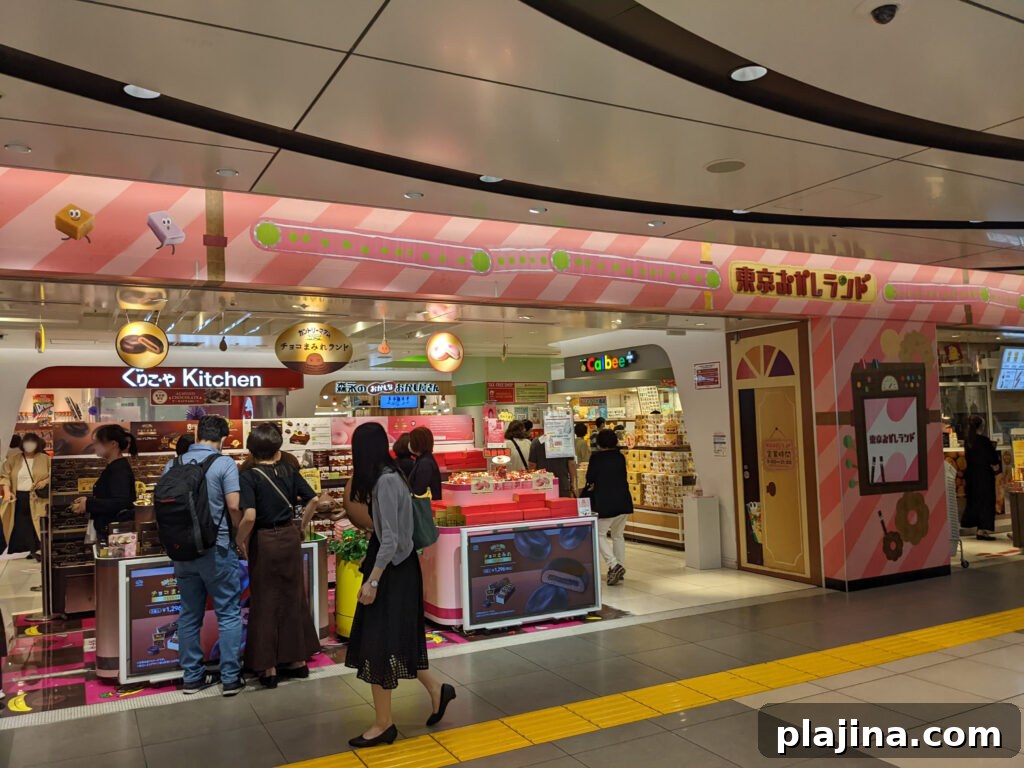
Yaesu Shopping Mall, which opened in 1965, is one of Japan’s largest underground malls and hosts roughly 180 shops. Its clientele is a mix of neighborhood workers and business travelers who appreciate the convenience and variety. First Avenue Tokyo Station is known for distinct themed zones: Tokyo Character Street gathers a wide array of character and pop-culture stores, while Tokyo Ramen Street concentrates ramen specialty shops. The ramen zone features several long-running restaurants that serve both classic and inventive bowls, making it a popular destination for food lovers at almost any hour.
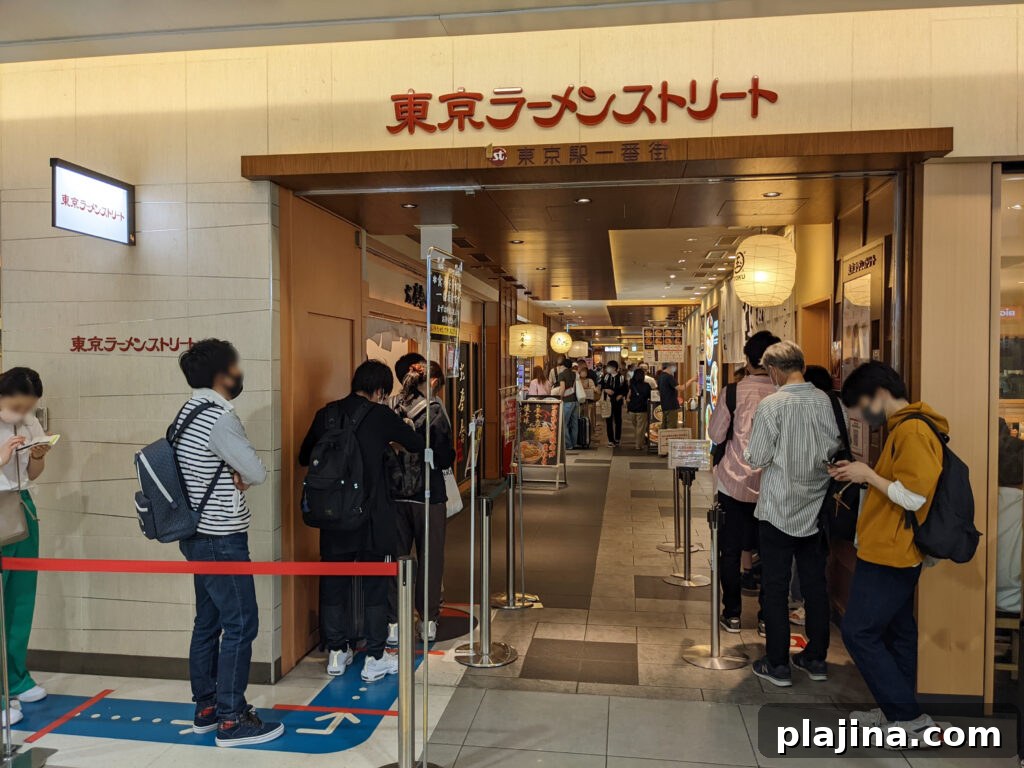
© Courtesy of Tokyo Convention & Visitors Bureau
Gransta occupies both the ground and B1 floors of Tokyo Station and functions as a comprehensive in-station shopping and dining zone. With shops located on both sides of the ticket gates, Gransta offers an extensive selection of gifts, sweets, cosmetics, apparel, footwear and long-established eateries. It’s particularly convenient for travelers boarding or arriving by train who want to pick up regional snacks, souvenirs or last-minute essentials.
The appeal of Tokyo’s underground malls goes beyond practical shelter. Many of these spaces are thoughtfully designed and maintained, combining efficient pedestrian flow with attractive storefronts and signage. You’ll find everything from specialty boutiques and stationery shops to beauty salons and high-quality confectioneries. Frequent promotions, seasonal displays and curated shop selections make each visit feel fresh, even if you’re a repeat customer.
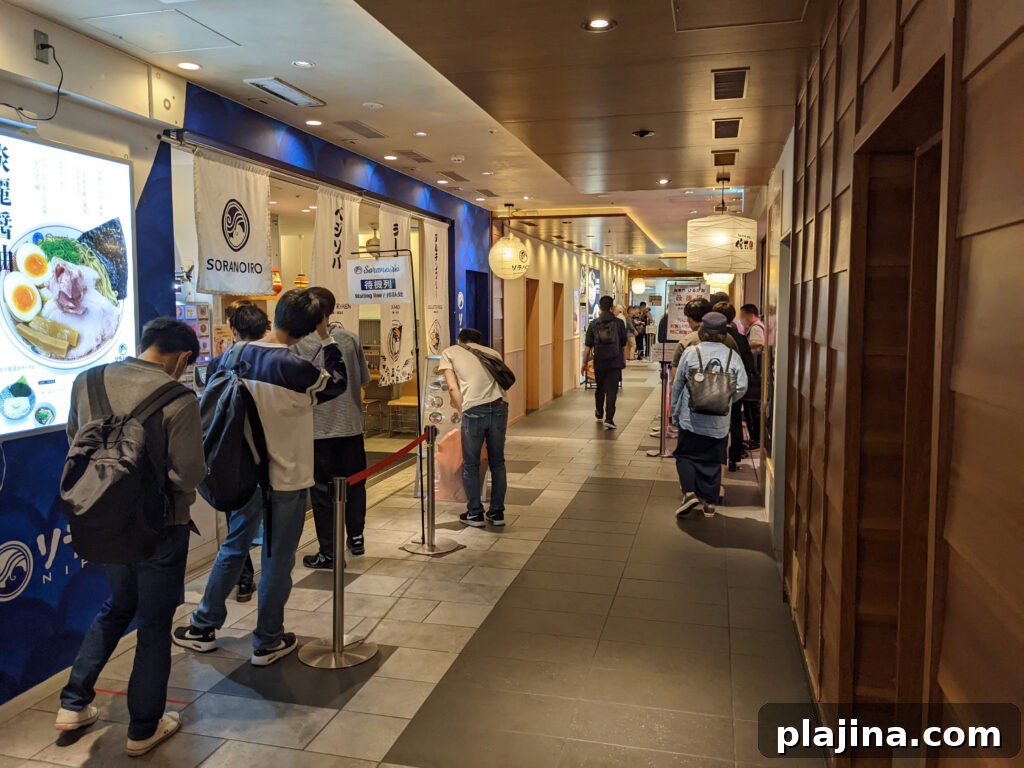
© Courtesy of Tokyo Convention & Visitors Bureau
Beyond Tokyo Station, numerous other underground shopping areas are spread throughout the metropolitan area. Popular destinations include the shopping concourses around Shinjuku’s Odakyu and Keio stations, fashion and lifestyle outlets in Roppongi Hills, the retail sections of large complexes such as DiverCity Tokyo Plaza, mall areas serving Narita Airport like Aeon Mall – Narita, as well as local hubs around Asakusa and JP Tower. Each location carries its own character: some emphasize dining and souvenirs, others focus on fashion, electronics or pop culture.
For visitors planning a rainy-day itinerary or simply wanting a comfortable way to explore Tokyo’s shopping and dining scene, the chikagai network is an excellent option. Navigating these underground corridors is straightforward thanks to clear signage in multiple languages at major stations, and many areas are open late to accommodate commuters and travelers. Whether you’re seeking a specialty ramen bowl, a unique character-themed item, or practical travel purchases, Tokyo’s underground malls make it easy to shop, eat and discover without missing a beat—no umbrella required.