When it comes to planning trips, I tend to be a control freak. I choose flights by aircraft type and seat availability, scrutinize hotel reviews, decide what I’ll order before I even walk into a restaurant, and store every detail in a long Google Doc. So when I was offered a surprise trip with none of the decisions left to me, I felt skeptical. Letting someone else steer my travel plans made me nervous. Still, a small part of me wanted to see what would happen if I let go. Type A personality aside, I decided to take an unknown solo getaway and see how it felt to surrender control.
Mystery travel has grown in popularity as an antidote to decision fatigue and over-curation. A surprise itinerary forces travelers to embrace spontaneity, whether they’re ready for it or not. My trip was a collaboration between YOTEL, a global hotel group aimed at modern, efficiency-focused travelers, and Pack Up + Go, a travel agency that plans surprise trips. Pack Up + Go founder Lillian Rafson told me that while the average traveler is 42, clients range from families wanting quality time to busy parents who lack bandwidth for planning, and even retirees seeking adventure. Beyond the thrill of surprise, she said, the service eliminates the hassle of research and logistics.
© YOTEL
“All of the research is done, from selecting hotels, to making dinner reservations, to curating a destination guide with the best things to see, do, and eat, to our 24/7 support in case of flight cancellations,” Rafson said. “We want a Pack Up + Go trip to be the easiest and most exciting trip you ever take.”
The process started with an online questionnaire asking whether I preferred to fly or drive, whether I wanted an outdoors-focused trip, and which activities I enjoy. I checked boxes for fine dining, neighborhood restaurants, cocktails and wine, live music, and quirky attractions. Travelers can indicate budget, departure date, number of nights, dietary restrictions, and a general trip vibe—action, relaxation, or culture—but they can’t request a specific airline or destination. As someone with top-tier airline status, not picking my usual exit-row seat felt odd; in my case, however, the company made an exception and booked me on United Airlines.
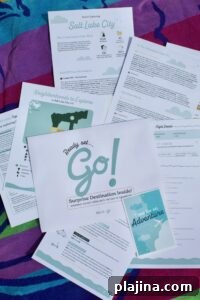
A week before departure I received an email with basic weather and packing tips, followed by a thick envelope containing the rest of the details. The packet was labeled “No Peeking” for until the day before the trip, though I admit I peeked early to secure a better seat assignment. Inside I learned I was escaping a frigid Washington, D.C. winter for sunny Miami. The packet included the trip inclusions, suggested attractions, restaurant and bar recommendations, and gift cards with QR codes for meals.
Pack Up + Go guarantees round-trip airfare (or valet parking for road trips), accommodations, 24/7 traveler support, and at least one pre-planned activity. Other add-ons—meals, Uber credits, and similar items—depend on the selected budget. My two-night experience cost $2,500, and despite indicating a strong culinary interest, I discovered most meals would come out of pocket. That surprised me, given the price and my food-focused preferences.
© YOTEL
Arriving in Miami, I took an Uber to YOTEL Miami, a centrally located hotel in the pedestrian-friendly Urban Core. The hotel’s ground-floor restaurant, Vela Miami, was lively throughout my stay, and there’s a rooftop pool and bar. My room reflected the brand’s signature purple and made efficient use of space: a freestanding clothing rack, separate toilet and shower boxes, smart tech and lighting, and an adjustable mattress that was unexpectedly ideal for writing in bed. The stay also included two daily beach chairs in South Beach, though I didn’t have time to use them.
That first evening I headed to Little Havana for dinner at Café La Trova, known for live music and bartenders trained in Cuba’s Cantanero culture. Arriving during happy hour and sitting at the bar allowed me to watch the bartenders in action and stretch my meal credit with half-price mojitos, croquetas, and suckling pig sliders.
The following day I returned to Little Havana for a walking food tour, sampling empanadas, Cubanos, and flaky guava pastelitos while learning about the neighborhood’s culinary history. That evening I crossed the causeway to Brickell for dinner at Motek. The next morning I wandered Wynwood’s streets to take in the evolving street art, then stopped for brunch and day drinking at Doya, a Mediterranean-focused spot.
As my trip came to an end and I headed to the airport, I reflected on the pros and cons of mystery travel. It was undeniably fun, and much of the itinerary matched my interests, yet a few choices puzzled me: why I was routed back to Little Havana twice in a city full of distinct neighborhoods, and why two meals skewed toward similar cuisines. I also questioned the overall value; as a frequent traveler I could probably have assembled a comparable weekend on my own. Rafson noted that the Traveler Support Team can try to adjust plans mid-trip if something doesn’t land, but in practice there’s limited flexibility once the trip has started.
© YOTEL
The trip didn’t permanently change how I plan travel, but it reminded me of the quiet thrill of letting a destination reveal itself rather than meticulously engineering every moment. For travelers willing to trade precision for surprise, the reward isn’t perfection but perspective—and sometimes that’s enough to make a mystery getaway worth trying.