
At the foot of the Julian Alps, on the eastern shore of Slovenia’s picturesque Lake Bled, a new contemporary art museum, Muzej Lah, is being designed by David Chipperfield Architects. Sited in an area of cultural and historical protection near the town of Bled and located in a valley below the town’s medieval castle, the museum will add a significant cultural landmark to one of Slovenia’s most scenic landscapes.
Planned to open in 2026, Muzej Lah will display a private collection that spans major Slovenian and international artists. The project is part of a broader municipal masterplan intended to enrich the cultural life of the region and attract visitors to the area.

© Jost Gantar
The design responds to two primary considerations: the surrounding landscape and the spatial requirements of the artworks. The building will be embedded into a sloping site, with rooflines that follow the incline of the hillside. A sawtooth roof configuration admits northern daylight into the galleries below, while the overall geometry adapts to accommodate works of varying scale. Internally, this produces a sequence of galleries offering diverse sensory experiences and distinctive light conditions.
The main entrance is positioned to the west at the site’s highest point, adjacent to a columned portico that fronts a new public square. From a sheltered entrance courtyard, visitors will pass through a single entry that serves the museum, shop and café. On the upper ground floor, a series of formally aligned gallery spaces will connect to the outside via filtered window light, a large picture window and access to a sculpture terrace with views toward the castle. In contrast, most lower ground-floor galleries will be artificially lit to create a more subterranean atmosphere, with the exception of a tall, top-lit Kiefer gallery designed to receive natural light from above.
Accessible from the entrance gallery, the museum garden will host installations and sculptures from the collection in a landscaped setting, reinforcing the building’s dialogue with its natural surroundings and offering outdoor exhibition space.
© Jost Gantar
The building’s concrete surfaces will receive a bush-hammered finish, a hand-applied masonry technique that creates a uniformly textured surface and a monolithic appearance. This finish will contrast with the more stylized concrete roof tiles. The detailed design has been developed in collaboration with local craftsmen, using regionally sourced materials to strengthen the museum’s connection to its cultural and environmental context.
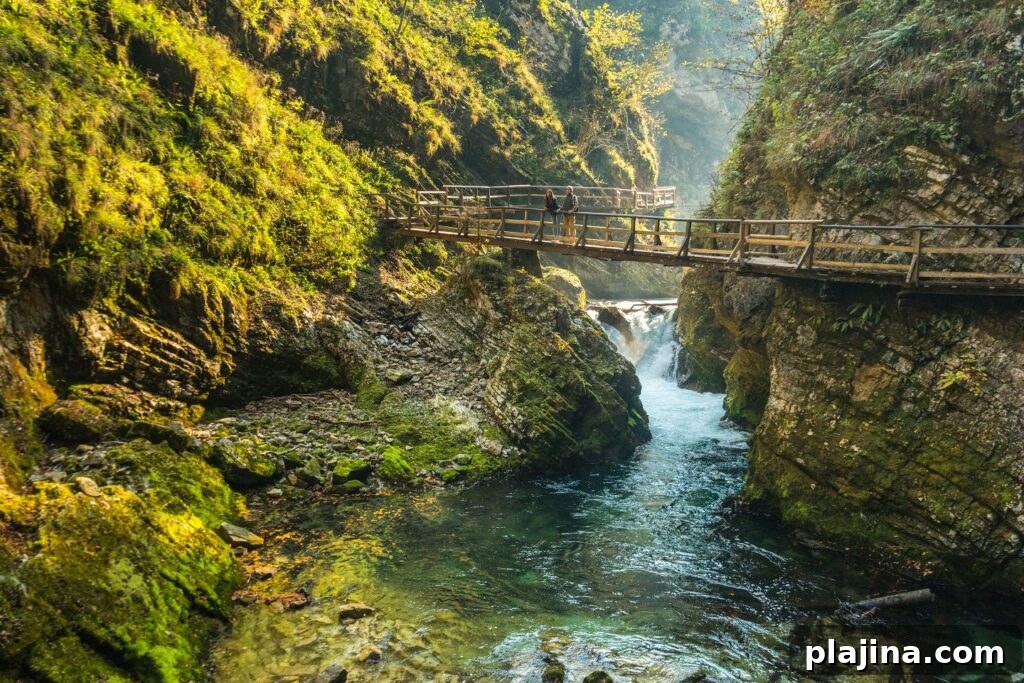
While Muzej Lah will become a new cultural destination when it opens, Bled already offers a wealth of outdoor activities, including biking, hiking and rafting in its dramatic surroundings. The Tourist Information Center provides visitors with maps, event tickets for cultural venues and practical information about e-bike and car rentals for local sightseeing.