
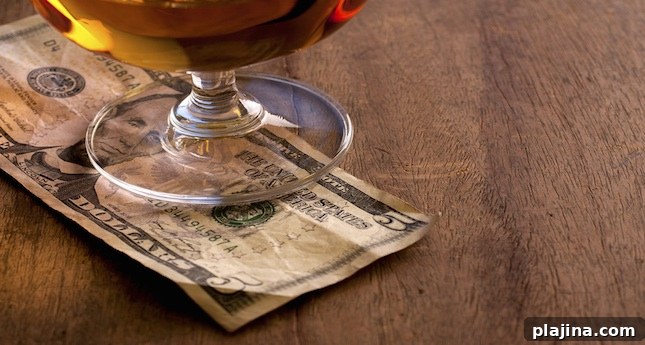
A recent study by Horizon Media finds that most restaurant diners in the United States are not ready to give up tipping, even as a gradual shift toward eliminating gratuities is taking place at some restaurants.
Younger consumers—Millennials and Generation Z—are the most receptive to banning tipping. These groups are also most likely to describe the current tipping system as “outdated and unfair.”
Some well-known chains and smaller restaurants have moved away from traditional tipping, implementing service charges and raising employee wages instead. Notable examples include restaurants led by Danny Meyer, such as Shake Shack and Joe’s Crab Shack. This approach—often described as “service included”—is common in many parts of the world, including Europe.
Despite these changes, a strong majority of U.S. diners oppose built-in tipping. The study reports that 81 percent of adult restaurant-goers are not ready to accept automatic service charges. Many of their concerns relate to perceived impacts on service quality: 55 percent worry they would have to pay the same amount regardless of the quality of service, and 52 percent believe the amount paid for service should be left to the customer’s discretion.
These findings suggest that while the restaurant industry is experimenting with new pay models intended to stabilize wages for staff and simplify billing, consumer acceptance remains a significant hurdle. Restaurateurs considering a shift away from tipping need to address diners’ concerns about accountability and choice to increase public support.