
THE ARAB SPRING, the seismic upheaval that swept across North Africa and the Middle East in 2011, began in Tunisia. The country still feels its effects, and social and cultural debates continue to shape everyday life. Conservative groups sometimes push for restrictions on nightlife, including limits on bars and clubs, but Tunis remains fundamentally a Mediterranean capital with an active evening scene.
For a relaxed start to the evening, visit the picturesque town of Sidi Bou Said, perched on cliffs above the Gulf of Tunis. Its whitewashed houses and blue doors line narrow, cobbled streets that lead to cafés with sea views. Enjoy a mint tea or a narguileh (hookah) while watching the light fade over the water—the setting is calmly beautiful and ideal for a gentle introduction to the area.
As Sidi Bou Said quiets, central Tunis awakens. The city doesn’t offer the flashy tourist attractions found in some coastal resorts, but it has a modern, cosmopolitan feel thanks to a large student population and many young professionals. You’ll find a range of venues across different neighborhoods, from relaxed cafés to livelier bars and clubs.
In the coastal suburb of La Marsa, Le Carpe Diem is a well-known spot that often features music and dancing into the early hours, with a menu of cocktails and small plates. Downtown, bars inside international hotels can be a convenient choice for visitors who prefer familiar surroundings—note that not every hotel bar serves alcohol, so it’s wise to check ahead. The El Mouradi Hotel Africa, centrally located, is known for its busy lobby bar and is a popular meeting point for both locals and travelers.
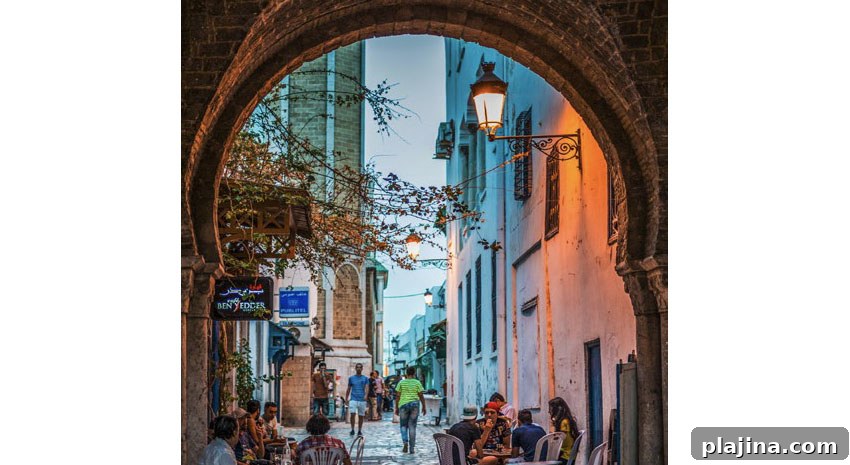
One of the most authentic Tunisian nighttime experiences is the ancient Medina. After dark the medina’s labyrinth of alleys remains lively, with many shops and stalls open and the streets full of activity. Exploring the medina at night offers a vivid glimpse of local life and a memorable alternative to standard nightlife venues.
It’s important to be aware of local laws and social attitudes. Homosexuality is currently illegal in Tunisia, though there are public discussions and some political moves aimed at reform. LGBTQ+ visitors should be mindful of the legal and social context and exercise caution while visiting.
Overall, Tunis offers a variety of evening experiences—from tranquil sea-view cafés to vibrant hotel bars and the unique atmosphere of the medina. While the country continues to navigate political and cultural change, the city’s Mediterranean character and lively nightlife remain central to its appeal.