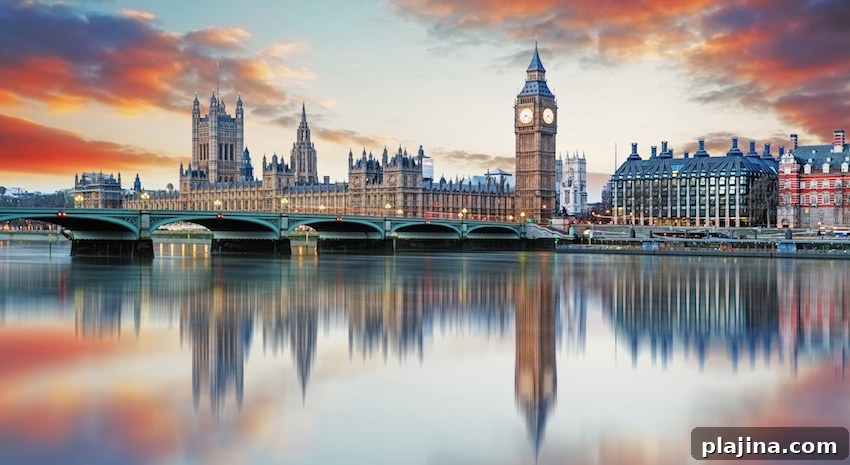
London Mayor Sadiq Khan and visitlondon.com have unveiled a refreshed vision for the city’s tourism sector as London prepares for significant visitor growth. Officials anticipate more than 40 million travelers will visit annually by 2025, roughly 30 percent more than last year. The Tourism Vision for London is supported by over 100 travel industry partners and projects visitor spending to rise by about 50 percent over the next eight years. Surveys also indicate that favorable exchange rates remain an important draw for international visitors, and the most valuable source markets through 2025 are expected to be China, India, the United States and the United Arab Emirates.
The strategy outlines four core priorities designed to make growth sustainable and beneficial for residents and businesses across the city. First, it calls for targeted pre-visit marketing to attract first-time visitors and to encourage travel during off-peak months, helping to spread demand more evenly through the year. Second, the plan emphasizes better information and promotion to inspire visitors to explore beyond central tourist areas so they discover a wider range of neighborhoods and attractions. Third, it supports investment in cultural infrastructure and improved visitor amenities to enhance the overall visitor experience and preserve London’s cultural assets. Finally, the vision seeks to strengthen the city’s event infrastructure, making London an even more attractive destination for conferences, exhibitions and business delegates.
Mayor Khan highlighted the economic and social benefits of tourism, noting that it supports hundreds of thousands of jobs across sectors and showcases London as an open, welcoming, and diverse global city. He stressed the importance of ensuring that tourism growth benefits all Londoners. Encouraging visits during quieter seasons such as autumn and promoting lesser-known attractions are among the measures intended to make visitor growth more sustainable while spreading economic advantages across more neighborhoods.
The policy aims to balance increased visitor numbers with quality of life for residents by improving transport information, signage, and amenities that serve both locals and visitors. By investing in local cultural venues and community-focused initiatives, the strategy seeks to create shared value: better facilities that boost visitor satisfaction while strengthening neighborhood economies and cultural life.
Partners across the travel industry will play a key role in delivering the vision, contributing expertise on marketing, visitor services, and event hosting. The strategy’s emphasis on data-driven promotion, collaboration with international markets, and support for new and existing cultural offerings positions London to capitalize on projected demand while managing capacity and conserving the city’s heritage.
Overall, the Tourism Vision for London presents a coordinated approach to growth: attracting more visitors, encouraging exploration of the whole city, improving infrastructure and amenities, and supporting events and business tourism. If implemented effectively, these measures should increase visitor spending, create jobs, and ensure that the benefits of tourism are widely shared across London’s communities.