
Ireland is an island rich in culture and dramatic landscapes. For travelers interested in history and natural beauty, here are five UNESCO World Heritage sites that showcase the country’s heritage, chosen for their historical importance, archaeological value, and scenic settings.
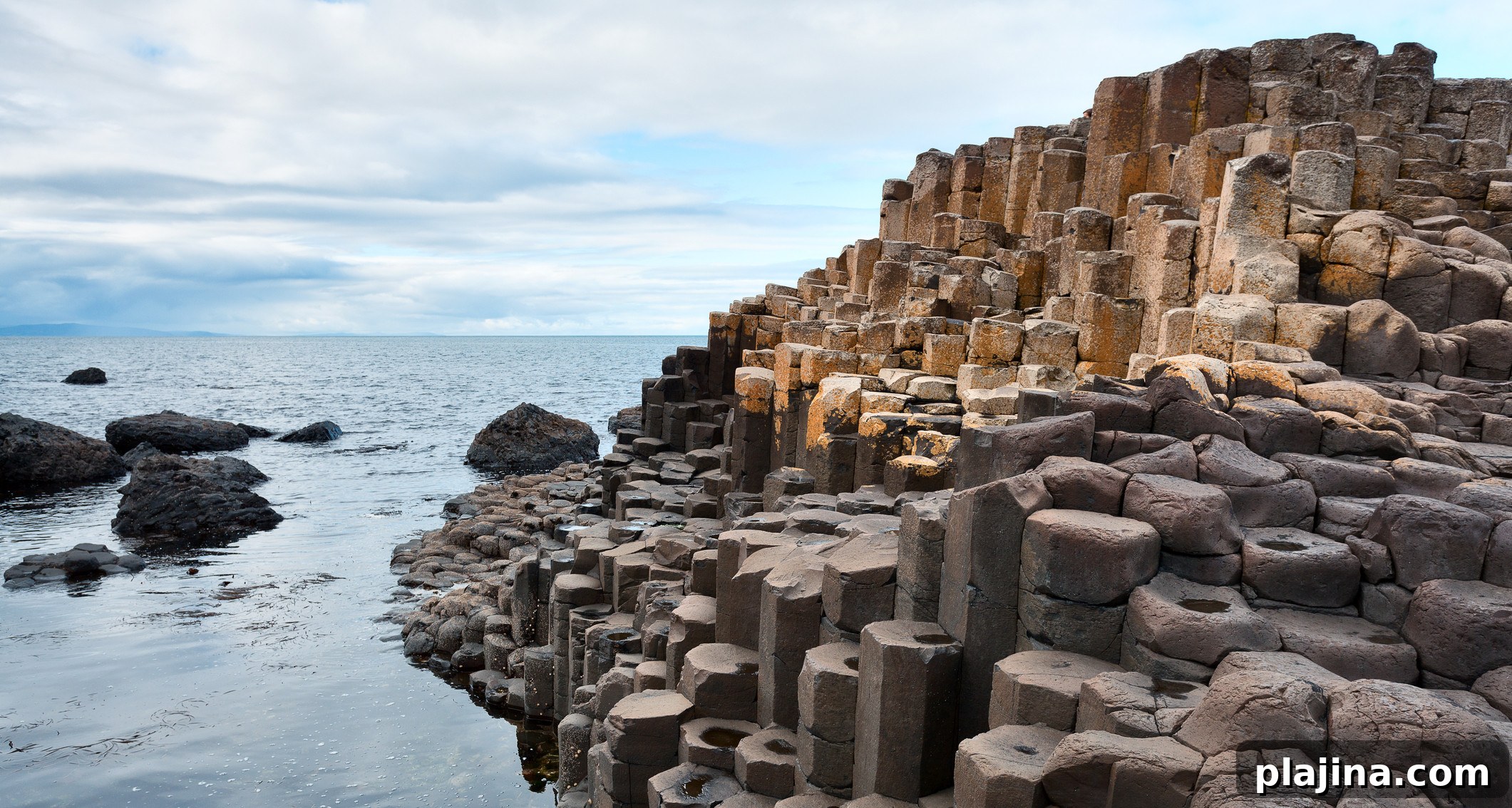
The Giant’s Causeway and Causeway Coast — Located on the north coast of Northern Ireland, the Giant’s Causeway is a striking natural formation of roughly 40,000 interlocking basalt columns created by ancient volcanic activity. The geometric columns, dramatic sea cliffs, and coastal walks offer spectacular views and a strong sense of place. The surrounding Causeway Coast includes cliffs, headlands, and beaches that reveal both geological history and coastal ecology.
Brú na Bóinne — This Neolithic complex in County Meath contains some of the earliest and most significant prehistoric monuments in Europe. The site includes large passage tombs such as Newgrange, Knowth, and Dowth, famed for their passageways, megalithic art, and astronomical alignments. Brú na Bóinne provides a vivid window into the ritual and funerary practices of Neolithic communities and remains an essential destination for anyone interested in ancient history and archaeology.
Skellig Michael — Perched off the southwestern coast of County Kerry, Skellig Michael is an island monastery founded in the early medieval period. The steep, windswept island preserves well-built stone beehive huts, oratories, and terraces where early Christian monks lived in austere isolation. The dramatic setting, abundant seabirds, and well-preserved monastic architecture make Skellig Michael both a spiritual and natural highlight.
Saint Kilda (relevant to British Isles) — While best known as belonging to Scotland, Saint Kilda is often discussed in the context of Atlantic island cultures. The remote archipelago preserves evidence of a distinct island way of life, with impressive seabird colonies and abandoned settlements that document centuries of human adaptation to challenging environments. Its combination of natural and cultural heritage illustrates the interplay between people and extreme island ecosystems.
Brú na Bóinne Landscape (expanded context) — The wider Brú na Bóinne valley offers more than the famous tombs: it encompasses a rich archaeological landscape with burial mounds, standing stones, and traces of ancient land use. Walking the valley conveys the scale and continuity of human presence in Ireland, and its monuments continue to attract study and admiration for their craftsmanship and symbolic meaning.
Visiting these sites gives a rounded picture of Ireland’s past, from Neolithic ritual centers to early Christian monasticism and unique coastal ecosystems shaped by geology and climate. When planning a visit, respect the protected status of each site: follow designated paths, heed site guidance, and avoid touching or climbing fragile structures. Combining these UNESCO highlights with local museums and guided tours will deepen your understanding of Ireland’s layered history and outstanding natural landscapes.