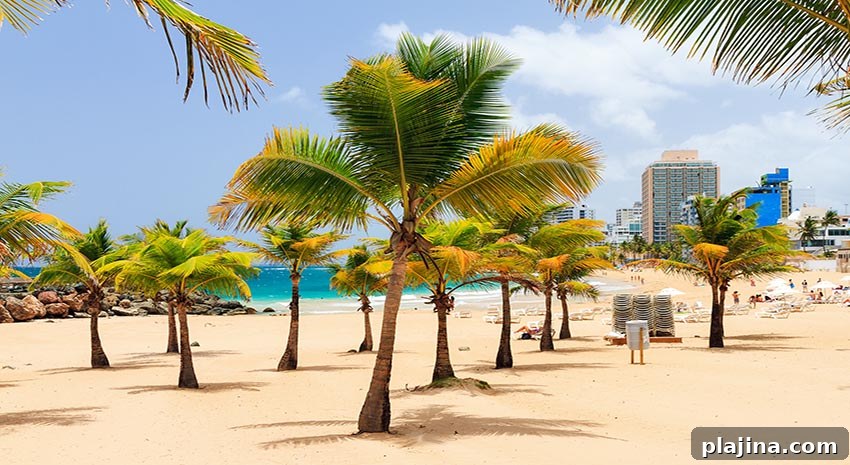
As the one-year anniversary of Hurricane Maria approaches, Puerto Rico’s tourism industry is asking for acknowledgment of the progress it has made since the storm seriously damaged much of the island’s infrastructure.
“Six months after Hurricane Maria, more than half of travelers reported that media coverage had negatively influenced their perception of Puerto Rico as a destination. As the one-year anniversary nears, we want to change that narrative. Puerto Rico reopened for tourism in late December, and the local tourism industry has worked tirelessly over the past year to recover and rebuild. There is much to celebrate and we don’t want the anniversary to overshadow the positive milestones we’ve achieved,” said Brad Dean, CEO of Discover Puerto Rico. “Although certain areas still need additional recovery work, we ask that the vibrancy of Puerto Rico as a travel destination be shared along with the accomplishments of local communities and businesses. We’re using this moment to encourage everyone to spotlight our tourism recovery and invite travelers to visit—tourism is a vital driver of the island’s economy.”
Flight and cruise activity reflect that recovery. Puerto Rico now receives an average of 110 daily flights operated by 28 different airlines, with monthly seat capacity exceeding 420,000. Flight capacity is projected to return to 2017 levels by the end of the year. Cruise visitation also improved: the island recorded more regular cruise vessel calls than the previous year, hosting 14 vessels compared with 10 in the prior year. In May, cruise passenger numbers reached their highest point in two decades.
Accommodation inventory is rebounding as well. The island offers 132 lodging options, and several renowned luxury hotels have reopened following post-storm renovations. Many properties are expanding their room counts to meet growing demand. Current hotel development investment totals approximately $1.9 billion, supporting nearly 3,000 local jobs and reinforcing long-term tourism capacity.
Beyond transportation and hotels, community-driven recovery efforts and local businesses have contributed to a renewed visitor experience. Restaurants, tour operators, and attractions across the island have been restoring services and in many cases improving offerings for both residents and tourists. Cultural events, outdoor activities, and culinary tourism continue to draw attention, showcasing Puerto Rico’s natural beauty and rich heritage.
Marketing and outreach efforts have focused on communicating both progress and authenticity. Local authorities and industry leaders are highlighting safe access to beaches, parks, historic districts, and urban neighborhoods while acknowledging areas still undergoing repairs. This balanced message aims to give travelers a realistic impression of the destination: ready to welcome visitors, with ongoing community-focused recovery work that travelers can support.
Economic indicators point to tourism as an essential engine for recovery. Increased flight and cruise arrivals, renewed hotel capacity, and continued investment in tourism infrastructure translate into job creation and business opportunities across the island. These gains have ripple effects for suppliers, transportation providers, retailers, and cultural venues that rely on visitor spending.
As Puerto Rico looks ahead, stakeholders emphasize sustainable recovery that benefits both visitors and residents. Investments in resilient infrastructure, responsible tourism practices, and partnerships with local communities are priorities to ensure that future growth strengthens the island’s social and economic fabric. The invitation to travelers is straightforward: come experience Puerto Rico’s natural landscapes, vibrant culture, and welcoming communities—while contributing to an ongoing recovery that matters to thousands of residents and businesses.