
The excitement around two ONYX hotels in Bangkok is well-deserved. The group’s new Plan BEE initiative launches an ambitious urban and rural beekeeping program aimed at protecting the Asian honeybee and promoting biodiversity. Once abundant, these pollinators now face growing threats from pesticide use, habitat loss and other environmental pressures. By partnering with Raitong Organics Farm, ONYX plans to raise awareness among guests and local farmers about the importance of Asian honeybee conservation and sustainable beekeeping practices.
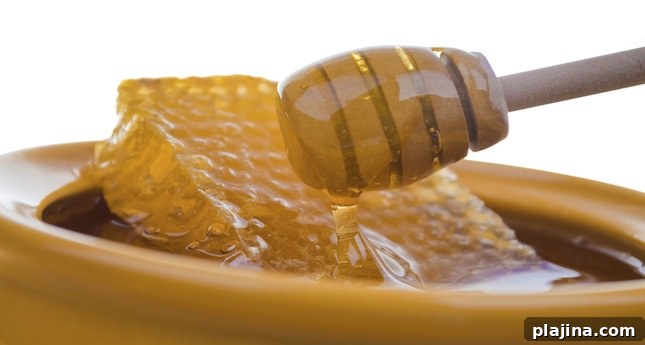
Participating properties include Oriental Residence Bangkok, which will host an urban beekeeping program run by experienced apiculturists who will manage hive health and oversee honey harvests. Shama Sukhumvit Bangkok will run a complementary rural program designed to train nearby farmers in apiculture, offering practical skills that can become an additional source of income. Honey produced by both projects will be used in dishes and beverages at Café Claire and Mandopop at Oriental Residence Bangkok, creating a direct link between conservation efforts and the guest experience.
The initiative aims to combine conservation, education and community engagement. Guests will have the opportunity to learn about bee biology, hive maintenance and the role of pollinators in food production. Local farmers will receive hands-on training and technical guidance to adopt bee-friendly practices, helping to restore pollinator populations across urban and rural landscapes.
Plan BEE also emphasizes sustainable, low-impact methods that reduce reliance on pesticides and encourage habitat restoration. By integrating beekeeping into hotel operations and local agriculture, the program hopes to create resilient habitats for Asian honeybees while supporting livelihoods and enhancing local food systems.
In addition to preserving pollinators, the project highlights how responsible tourism can support environmental stewardship. Guests who participate can see firsthand how small, locally managed conservation efforts make tangible differences in biodiversity and community well-being. Using locally harvested honey in hotel restaurants also helps close the loop between conservation and consumption, offering visitors a meaningful taste of the initiative’s results.
Through collaboration with Raitong Organics Farm and the involvement of skilled apiculturists, ONYX aims to build a scalable model for bee conservation that other properties and communities can replicate. The combination of educational programming, farmer training and on-site application creates multiple benefits: healthier ecosystems, added income opportunities for farmers, and a unique, eco-conscious experience for hotel guests.
By supporting initiatives like Plan BEE, hotels can play a direct role in protecting pollinators that are vital to food security and ecological balance. This project illustrates how hospitality, agriculture and conservation can work together to address environmental challenges while delivering positive outcomes for people and nature.