
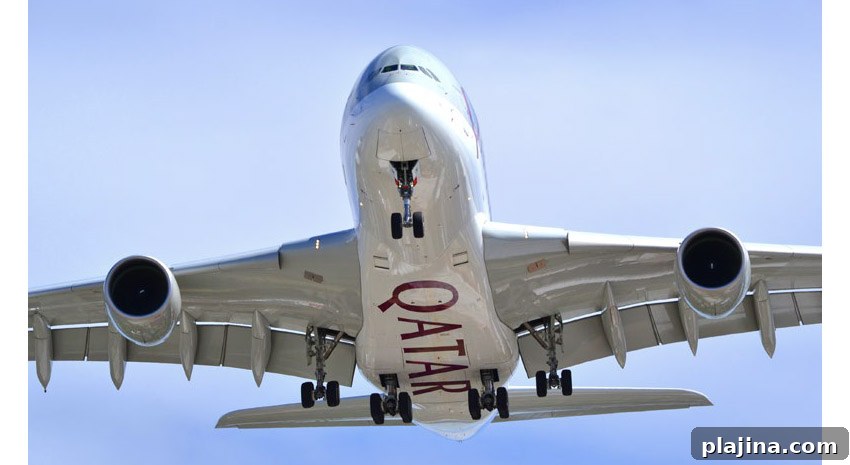
The aviation industry is constantly shifting as airlines expand, consolidate and new low-cost carriers emerge to meet growing demand for air travel.
Frequent business travelers have experienced many ups and downs — from routine delays and regulatory restrictions to unpredictable weather events that trigger widespread cancellations.
Airline stocks remain a focal concern. Business outlets noted that despite several strong quarterly earnings, airline indices have seen notable declines, suggesting persistent challenges within the sector.
Conversely, the International Air Transport Association (IATA), representing 265 airlines and roughly 83 percent of global air traffic, reports rising passenger demand worldwide. Tony Tyler, IATA’s director-general and CEO, highlighted that billions of journeys are made each year for purposes ranging from family reunions and study abroad to business, humanitarian work and diplomacy, underscoring aviation’s social and economic importance.
In May year-over-year, IATA reported a 4.6 percent increase in global passenger demand, while air freight demand fell in the same period.
Aircraft design is becoming more efficient and sophisticated. Boeing has continued development of fuel-efficient variants of its single-aisle family. Embraer introduced the fuel-efficient E190-E2, which cruises at higher altitudes and offers improved economy. Bombardier’s C Series entered service and was lauded as a potential game changer for regional and short-haul operations.
Asian markets remain a major growth area for international carriers and for China’s expanding domestic demand. Chinese carriers are enlarging their fleets and adding modern long-haul aircraft. Air China, for example, became the first in its market to take delivery of a new widebody Dreamliner variant, with more on order.
Industry analysts point out that China’s secondary carriers are also upgrading long-haul capabilities. Where only a handful of Chinese airlines operated wide-body aircraft a few years ago, the number has risen substantially, and forecasts expect many more Chinese carriers will operate long-haul fleets in the years ahead.
Meanwhile, legacy carriers like American, Delta and United have boosted domestic passenger amenities such as complimentary in-flight entertainment, while other airlines have reduced services on certain economy long-haul routes, affecting passenger experience.
Brexit added another layer of uncertainty. Some economists warn that the U.K.’s decision to leave the European Union could disrupt aviation markets that benefited from EU integration. The U.K. market’s centrality to many European carriers means its regulatory and market changes may have wide-reaching effects.
To gauge industry sentiment, Global Traveler reached out to executives at major international airlines. Many declined to comment, but a selection of carriers including Qatar Airways, Azul and TAP Portugal shared perspectives on market dynamics, challenges and strategic responses.
AN INSIDE LOOK
Airline stocks have taken a hit. What underlying problems plague the sector?

FERNANDO PINTO CEO, TAP Portugal © TAP PORTUGAL
Fernando Pinto, CEO, TAP Portugal: Terrorism in certain regions has negatively affected demand, and Brexit influenced investor sentiment because the U.K. is a vital market for many European carriers. Slowdowns in rapidly expanding markets, such as some BRICS countries like Brazil, have also weighed on airline stocks.
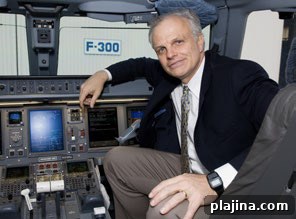
DAVID NEELEMAN Founder, chairman and CEO, Azul Airlines © Azul Airlines
David Neeleman, founder, chairman and CEO, Azul Airlines: U.S. earnings have been healthy despite the return of capacity to the market. Fuel prices are a key variable, but as long as oil remains relatively low, the industry can stay profitable. Stock indices also reflect normal market adjustments.
Have terrorism and global economic issues changed your growth strategy?
Pinto: We adjusted our strategy due to economic and social crises in markets like Brazil, Angola and Venezuela. As a result, we shifted development efforts toward the U.S., which has proven successful.
Neeleman: Oil prices drive much of airline planning. Brexit has mainly affected U.K.-based carriers. Azul postponed but did not abandon planned U.S. expansion; demand should recover with economic improvement. Terrorism remains a concern, but booking patterns have shown resilience in many markets.
Many leading airlines offer private executive jet service. Is this market profitable?
Pinto: TAP’s market does not generate substantial first-class or private-jet demand, so such services don’t align with our network. In markets with strong first-class demand, private services can be profitable.

AKBAR AL BAKER CEO, Qatar Airways © Qatar Airways
Akbar Al Baker, CEO, Qatar Airways: The private aviation segment has expanded significantly. Qatar Executive, launched in 2009, provides charter jet services worldwide to meet business, family and medical travel needs and has seen steady growth.
What are the biggest challenges facing aviation, and what are potential solutions?
Pinto: Airlines depend on economic growth and tourism, so broader economic trends are critical. In Europe, competition from low-cost carriers pressures costs. Effective cost management is essential for every airline.
Neeleman: Air traffic control inefficiencies in Europe limit capacity. Improving regional air traffic management would enable more services during peak periods, supporting growth.
Are you satisfied with the state of tracking missing planes?
Pinto: Current tracking remains unsatisfactory. While some carriers update positions frequently, it is unacceptable that aircraft cannot be located quickly after incidents. Immediate tracking technology is necessary.
Neeleman: The technology exists to track all aircraft globally at reasonable cost. I support deployment of technological solutions to ensure continuous worldwide tracking.
Do we need more regulation for safety?
Pinto: More regulation is not necessarily the answer. Industry-led initiatives like IATA’s Operational Safety Audit (IOSA) have improved safety significantly. Ongoing cooperation among airlines, regulators, air traffic control and manufacturers is key.
Neeleman: No. Commercial aviation is already one of the safest industries in the world.
Is your company taking measures to reduce passenger wait times at airports, or is this beyond your control?
Pinto: We addressed arrival delays at Lisbon due to passport control through coordinated work with airport authorities, which improved punctuality. Peak periods remain challenging, and we continue to seek improvements.
Al Baker: Qatar Airways prioritizes safety and security and works with airports to ease long security lines. We support priority lanes for premium customers and inform passengers of optimal check-in times.
Neeleman: We collaborate with airports to share passenger flow data and implement creative solutions, though not all factors are under airline control.
How can the in-flight experience improve as economy seat sizes shrink?
Pinto: We approach cabin changes carefully. Investments in business class and enhanced economy offerings aim to improve overall passenger comfort.
Al Baker: Qatar Airways provides comfort, convenience and entertainment across all cabins. Economy seats are designed for space and ergonomics, complemented by varied meal options and family-friendly entertainment and amenities.
Neeleman: Keeping passengers engaged with more entertainment options — live TV, broader channel selections, movies and internet — significantly enhances the in-flight experience.
Is airfare at its lowest ever, and is this sustainable?
Pinto: Market oversupply, especially in Europe due to low-cost carriers and weaker demand in some regions, has pushed average fares down to historically low levels. New, more fuel-efficient aircraft will help carriers pass efficiency gains on to customers.
Neeleman: Lower fuel costs have contributed to some of the lowest fares in years, adjusted for inflation. Profitability can be sustained while oil remains low, and fares could fall further if more capacity is added. However, airports must provide the necessary gates, slots and infrastructure to support additional service.