

© Alcatraz East Crime Museum
The Alcatraz East Crime Museum in Pigeon Forge, Tenn., presents a new exhibition titled “It Happened Here” that explores Tennessee’s complex and compelling history of crime, law enforcement and corruption. Opening as part of the 50th anniversary commemorations of the assassination of Dr. Martin Luther King, Jr., the show draws on artifacts that connect visitors directly to pivotal events and notorious figures from across the state.
Highlights of the exhibit include a cell key that secured the door guarding James Earl Ray, the man convicted of assassinating Dr. King, along with a hotel registration card Ray signed under the alias Eric Galt. The display also features a courtroom sketch produced by the woman who later became Ray’s wife, offering a personal and historical perspective on the case.
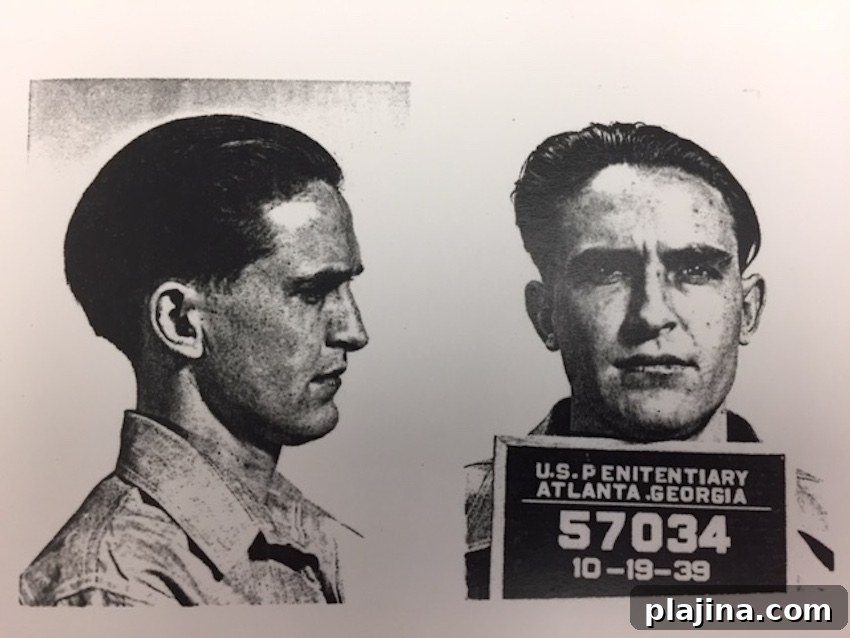
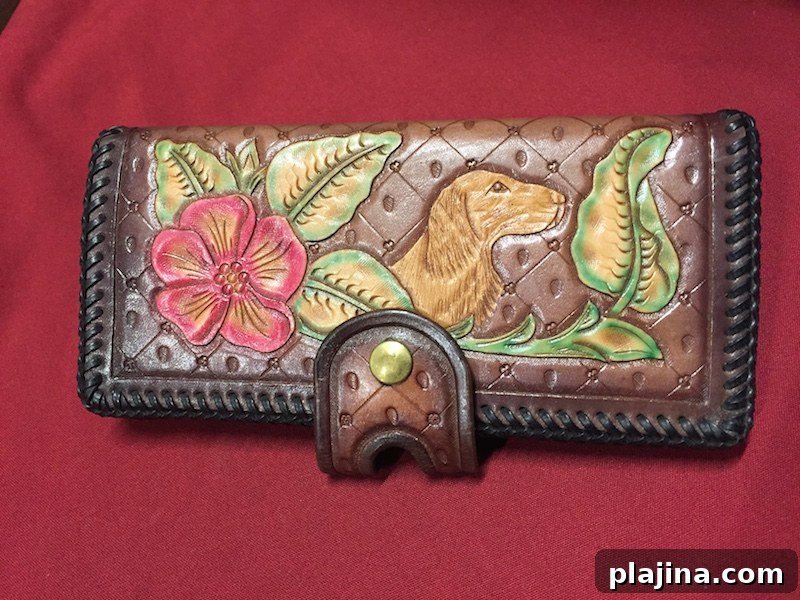
Beyond that centerpiece, “It Happened Here” showcases the stories of other well-known Tennesseans entwined with crime and justice. The exhibition examines the career of lawman Sheriff Buford Pusser, whose actions inspired the Walking Tall films, and presents material related to Kenneth Jones, a Tennessee-born jewel thief. It also tells the tale of moonshiner Marvin “Popcorn” Sutton and revisits the Sevier County mysteries surrounding the Perry Camp and White Cap murder investigations. These narratives are supported by artifacts and contextual information that illuminate the social and legal environment of their eras.
The museum’s broader collection complements the temporary exhibition with several iconic pieces connected to criminal history nationwide. Visitors can see the white Ford Bronco driven by O. J. Simpson during his widely publicized police pursuit and Tennessee’s former electric chair, known ominously as Old Smokey. Together, the permanent collection and the “It Happened Here” display provide a layered look at how crime, punishment and public perception have shaped both state and national stories.
Designed for both casual visitors and those interested in legal history, the exhibition balances dramatic artifacts with factual interpretation, aiming to educate without sensationalizing. It places objects in historical context, showing how law, order and criminality have evolved in Tennessee and how individual cases reflect larger cultural and legal shifts. The show remains on view through April 2019.
© Alcatraz East Crime Museum