
With three national museums across Ireland’s capital, the National Museum of Ireland presents the island’s history, natural world and cultural heritage for visitors to explore. While the National Museum of Ireland – Decorative Arts & History is located on the north side of the city, the National Museum of Ireland – Natural History and the National Museum of Ireland – Archaeology sit side by side in the city centre. If you have limited time, the Archaeology branch is especially rewarding.
The National Museum of Ireland – Archaeology displays Irish and international antiquities spanning the Stone Age through the Late Middle Ages. Among its many galleries, four key exhibitions stand out and are not to be missed.
Bog Bodies
The museum’s bog bodies are a striking and thought-provoking display. Ireland’s peat bogs have preserved human remains in remarkable condition, and the Archaeology museum cares for two of these finds. The exhibition examines the archaeological and historical context of bog deposits, exploring theories of ritual deposition, human sacrifice and Iron Age kingship, and presents the scientific work used to understand these ancient individuals.
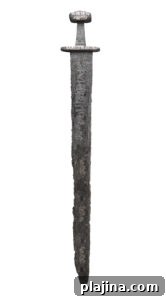
Viking Iron Sword © Whpics | Dreamstime.com
Viking Ireland
From the 10th to the 12th centuries, Viking activity left a lasting mark on Ireland. This permanent exhibition highlights artifacts recovered from Viking raids and settlements across the island. Dublin, a prominent Viking town, features in the display: finds illustrate daily life, trade, warfare and cultural exchange during the Norse presence and the period when Viking rulers controlled parts of the city.
Ór – Ireland’s Gold
Gold and bronze craftsmanship flourished during the Early Bronze Age in Ireland. The Ór gallery showcases necklaces, torcs, bracelets and ornate dress fasteners that demonstrate high levels of metalworking skill and aesthetic sensibility. These objects reflect social complexity and status in prehistoric Ireland and offer insight into the materials and techniques used by ancient metalworkers.
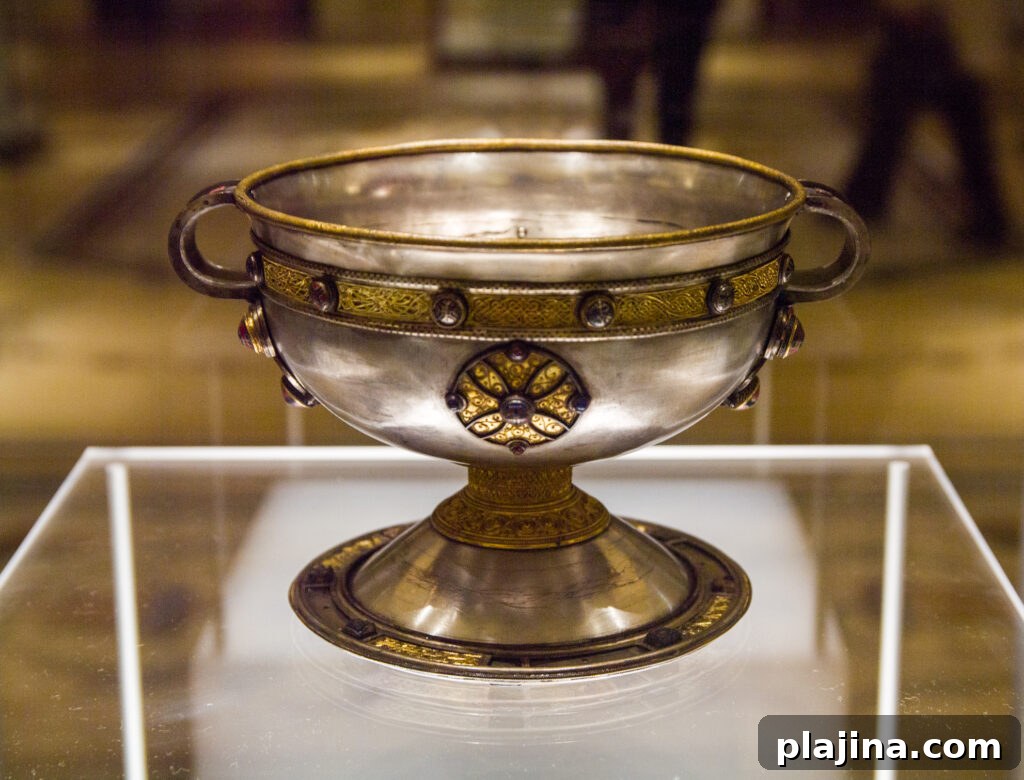
Ardagh Chalice © Imagoinsulae | Dreamstime.com
The Treasury
The Treasury traces Ireland’s transformation from pagan traditions to a thriving Christian culture between the Iron Age and the 12th century. The gallery highlights early medieval craftsmanship, religious artifacts and illuminated manuscripts produced in monastic and scholarly contexts. Notable items include an early medieval Book of Psalms dating to about 800 A.D., a horn from the first century B.C., the celebrated Ardagh Chalice and the Bell of St. Patrick. Together these objects illuminate Ireland’s role as a center of learning and artistic production in the early Middle Ages.
Visiting the National Museum of Ireland – Archaeology offers a compact but profound journey through Ireland’s past, from prehistoric ritual and metalwork to Viking-era life and the religious scholarship of the early medieval period. Allow time to study the displays and read the contextual information that brings these objects and the people who made them to life.