
MULTICOUNTRY RIVER CRUISES elegantly combine a desire for culturally rich, interactive travel with unhurried leisure in luxurious surroundings. One of the greatest conveniences of river cruising is leaving the logistics to experienced staff so you can focus on how you want to experience each destination. Choices often include historic sightseeing, guided hikes or bike tours, or lingering at an outdoor café to soak in local life through people-watching and window shopping.
Eastern European routes remain especially popular, thanks to the wealth of historic port cities such as Prague and Budapest. Croatia stands out for blending Eastern and Western European influences because its history has made it a political and cultural crossroads: vestiges of the Roman Empire, centuries under Venetian rule (1420–1797), time as part of the Austro-Hungarian realm (1867–1917) and later membership in Yugoslavia all shaped the country’s architecture, cuisine and traditions.
Croatia’s recovery from 20th-century conflicts is striking: much of its architectural, artistic and culinary heritage remains vibrant. Dubrovnik is often the most recognized Adriatic gem, famed for its coastal charm, but travelers who prefer fewer crowds will discover equally rewarding waterfront towns to the north. These places allow river cruise visitors to explore at their own pace and on their own terms.
Split gained broader attention after appearing in the television series Game of Thrones, but the city’s appeal extends far beyond the show. Diocletian’s Palace dominates the waterfront, while intimate museums such as the Ethnographic Museum and Split City Museum offer deeper cultural context. The city also features lively nightlife and bar scenes; among them are relaxed waterfront spots and inventive venues that mix live music, DJ sets and curated Croatian wine lists. Split showcases a rich blend of history and contemporary urban life.
If you visit Split for a short stay, allot time to wander the town to experience its layered history—sphinx statues, historic churches and a distinctive 24-hour city clock are all part of the streetscape. Beaches, promenades and marinas flow into narrow alleys that open onto spacious public squares reminiscent of medieval towns across Southern Europe.
Hidden treasures in Split include the old synagogue façade, a weekend antiques market tucked behind the palace walls, the imposing Gregory of Nin statue and exceptional artisan ice cream shops that rival Italian gelaterias with inventive flavors, strong coffee and fresh pastries.
From Split, explore other Dalmatian towns such as Salona, Polača and Zadar. Discover Roman ruins, medieval fortresses, cathedrals, statues and natural wonders. Zadar offers museums that span ancient to modern eras: the Archaeological Museum houses finds from the Paleolithic through the 11th century, while the City Museum covers later periods. The Museum of Ancient Glass, located in a noble family residence, presents glassblowing demonstrations and displays of glassware used for daily life, medicine, perfume and funerary rites.
Trogir, on the island of Čiovo, is a UNESCO World Heritage site thanks to its well-preserved medieval fortifications, a mix of Renaissance, Baroque and Romanesque architecture, and charming bridges to the mainland. The 13th-century St. Lawrence Cathedral and its bell tower offer panoramic views and a richly detailed chapel.
Food and wine lovers should explore local wineries known for bold expressions of native grapes, including Tribidrag—the ancestor of Zinfandel—and regional varietals like Pošip, Plavac Mali and Crljenak. One notable estate near Petrčane occupies a historic monastery and pairs vineyard views with traditional, hearty cuisine that complements its wine list and sunsets.
Brač Island’s rugged terraces produce distinctive wines, and a century-old winery with a striking seaside presence offers elegant tastings of Pošip, Plavac Mali rosé and other local varietals. Modern winemaking facilities sit alongside preserved cooperative traditions, giving visitors a sense of both contemporary quality and historical continuity.
Osijek, Croatia’s fourth-largest city, lies inland on the Drava River near the Hungarian border and feels distinct from the Adriatic coast. The city spreads out from the historic Tvrda district, a fortified medieval center whose walls and barracks once projected regional power while preserving a refined atmosphere favored by Austro-Hungarian elites.
Key cultural sites in this university city include the Museum of Slavonia, a Franciscan monastery and the Church of the Elevation of the Holy Cross, built on medieval foundations and altered during Ottoman rule. In Osijek’s Upper Town, the Neo-Gothic Parish Church of St. Peter and Paul is notable for its ambitious design; its tall bell tower was finished at the end of the 19th century and features stained glass and sculptural work that dominate the skyline.
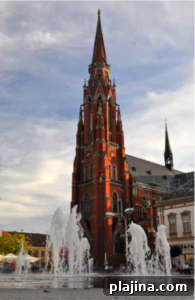
Church of St. Peter and Paul with bell tower in Osijek
PHOTO: ©VLADOFRANCISKOVIC- DREAMSTIME.COM
Many buildings still show scars from the Homeland War of the early 1990s, but pride and restoration are visible across the city. Elegant mansions and colorful façades now accommodate vibrant storefronts, cafés serving national coffee brand Franck and local Osječko beer, and restaurants dishing up classic or modernized regional specialties: kulen (spicy sausage), čvarci (fried pork morsels), slanina (local bacon), freshwater fish and fiš paprika (spicy fish and paprika stew). At the right moment, you might encounter a paprika cook-off showcasing family recipes and regional flavors.
Osijek is also rich in green space, with 17 parks covering nearly 100 acres and surrounding forests that lead to Kopački Rit Nature Park—one of Europe’s best-preserved wetlands. Visitors can enjoy relaxed hikes or choose guided bike, boat or horseback tours to observe and photograph abundant wildlife, including more than 260 bird species, 40 fish species and a wide variety of plants.
LODGING
BOUTIQUE HOTEL TVRĐA
Contemporary art, thoughtful lighting and modern furnishings make this downtown Osijek property a stylish nod to the city’s Austro-Hungarian past. A curated selection of Slavonian and Istrian wines adds to the experience.
Franjevačka ul. 7, Osijek $$$
BROWN BEACH HOUSE
Transformed from a former tobacco shipment station by designer Saar Zafrira, this 25-room boutique hotel perches on a hilltop above Trogir with elegant Riviera-inspired décor, refined mixology and panoramic views.
Put Gradine 66, Trogir $$$$–$$$$$
HOTEL PARK SPLIT
Opened in 1921, this hotel evokes Jazz Age glamour with a palm-lined terrace, direct access to Bačvice Bay beach, a glass-enclosed dining room, spa facilities and well-appointed rooms.
Hatzeov Perivoj 3, Split $$$$
INFO TO GO
A number of river and ocean cruise lines include Croatian ports such as Dubrovnik and Split on their itineraries, while Osijek and the Slavonia region appear on select Eastern European routes. Land-tour operators offer customizable pre- or post-cruise itineraries across Croatia’s cities, countryside and wine regions. Although there are no direct flights from the United States to Croatia, major international carriers connect through Zagreb, Split and other Croatian cities via efficient European hubs.
DINING
BOKERIA
This family-run restaurant blends Catalan and Spanish tapas traditions with Adriatic ingredients, offering vibrant small plates and generous sharing dishes made from seasonal produce, fresh seafood and local market finds.
Domaldova ul. 8, Split $$$
RESTAURANT KOD RUžE
“The Rose Shop” showcases inventive Austro-European influences with game, fish, sausages, stews, baked specialties and spicy condiments, served with lively hospitality and often accompanied by live music.
Ul. Franje Kuhača 25a, Osijek $$-$$$
UJE OIL BAR
This popular spot features rotating daily dishes, expertly composed charcuterie and cheese plates, and marinated fish. House-made olive oils and condiments are available for purchase, inspiring visitors to recreate Dalmatian flavors at home.
Dominisova 6, Split $$$