
SEOUL
Home to more than 10 million people, Seoul is the dynamic economic and cultural heart of the Republic of Korea. A major hub for international business and trade, the city also offers travelers a rich blend of historic sites, well-preserved royal palaces, vibrant festivals and modern attractions that make it appealing to tourists as well as business visitors.
GETTING THERE
Incheon International Airport (ICN) sits roughly 30 miles from downtown Seoul. Travelers can reach the city by airport buses, taxis or the Airport Railroad. Airport buses run every 10–30 minutes from about 5:30 a.m. to 10 p.m. Limo buses, which cost around $13.50 for a one-way ticket, stop at major hotels and attractions and are convenient for passengers with luggage. Standard taxis from the airport to central Seoul typically cost $40–50, while deluxe taxis run $60–80. The Airport Railroad departs about every 30 minutes; a one-way ticket to Seoul Station is approximately $3.50.
GETTING AROUND
Seoul’s subway system is extensive and easy to navigate, connecting most districts across the city and suburbs. If you plan to use public transit frequently, purchase a T-money stored-value card at subway stations, convenience stores or kiosks. The T-money card is accepted for subways, buses, taxis and some services like pay phones and lockers. The bus network includes several types: yellow buses serve tourist areas, green buses connect neighborhoods and subway stations, blue buses cross longer city routes, and red/green buses operate intercity lines. One-way bus fares are about $1. Regular taxis (orange or silver) start at roughly $2, with incremental increases per distance; black deluxe taxis are pricier.
TOP ATTRACTIONS
Changdeokgung Palace
Designated a UNESCO World Heritage site in 1997, Changdeokgung Palace dates back approximately 600 years and is a highlight for visitors. Guided tours reveal the palace’s elegant architecture and historic monuments. In spring, the rear garden—known as Biwon or the Secret Garden—bursts into bloom, making it an especially beautiful time to visit. The palace is closed on Mondays.
Jongmyo Shrine
Jongmyo Shrine, also recognized by UNESCO, is a Confucian shrine dedicated to Korea’s former kings and queens. It offers a quiet, contemplative experience and deep insight into Korea’s royal rituals and history. If you visit in May, you may witness traditional ritual performances honoring the royal ancestors.
The War Memorial of Korea
Located on the former site of army headquarters, The War Memorial of Korea presents eight main exhibition halls and a broad outdoor display of military equipment. The museum houses more than 13,000 artifacts and offers a comprehensive look at Korea’s military history. Admission is free.
EVENTS AND FESTIVALS
Hi Seoul Festival
Held four times a year—spring, summer, autumn and winter—the Hi Seoul Festival is the city’s largest street celebration. Over several days, the festival showcases Korean and international food, performances and cultural events across Han River Park and downtown neighborhoods, drawing both locals and visitors.
Lotus Lantern Festival
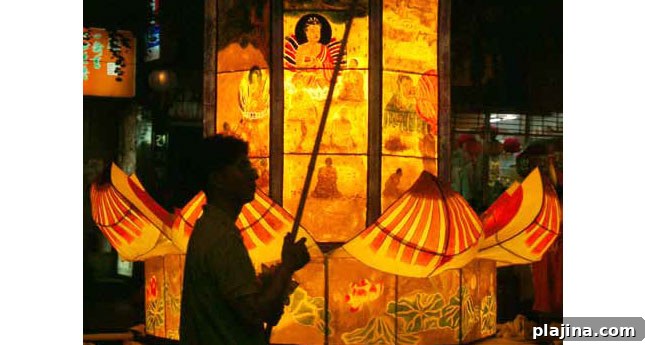
Also known as Yeon Deung Hoe, the Lotus Lantern Festival is one of Korea’s oldest folk traditions and takes place annually in May. In the weeks before the festival, residents hang lotus-shaped lanterns throughout the city. The official festivities begin with the lighting of the Jangeumdang, a large lantern symbolizing Buddhism and Buddha’s birthday, at Seoul Plaza. The event includes Buddhist ceremonies and a lively lantern parade.
Seoul International Fireworks Festival
This family-friendly October event features a large multimedia fireworks show over the Han River, combining pyrotechnics with music and laser displays at Hangang Park.
RESOURCES
For more information, visit visitseoul.net