
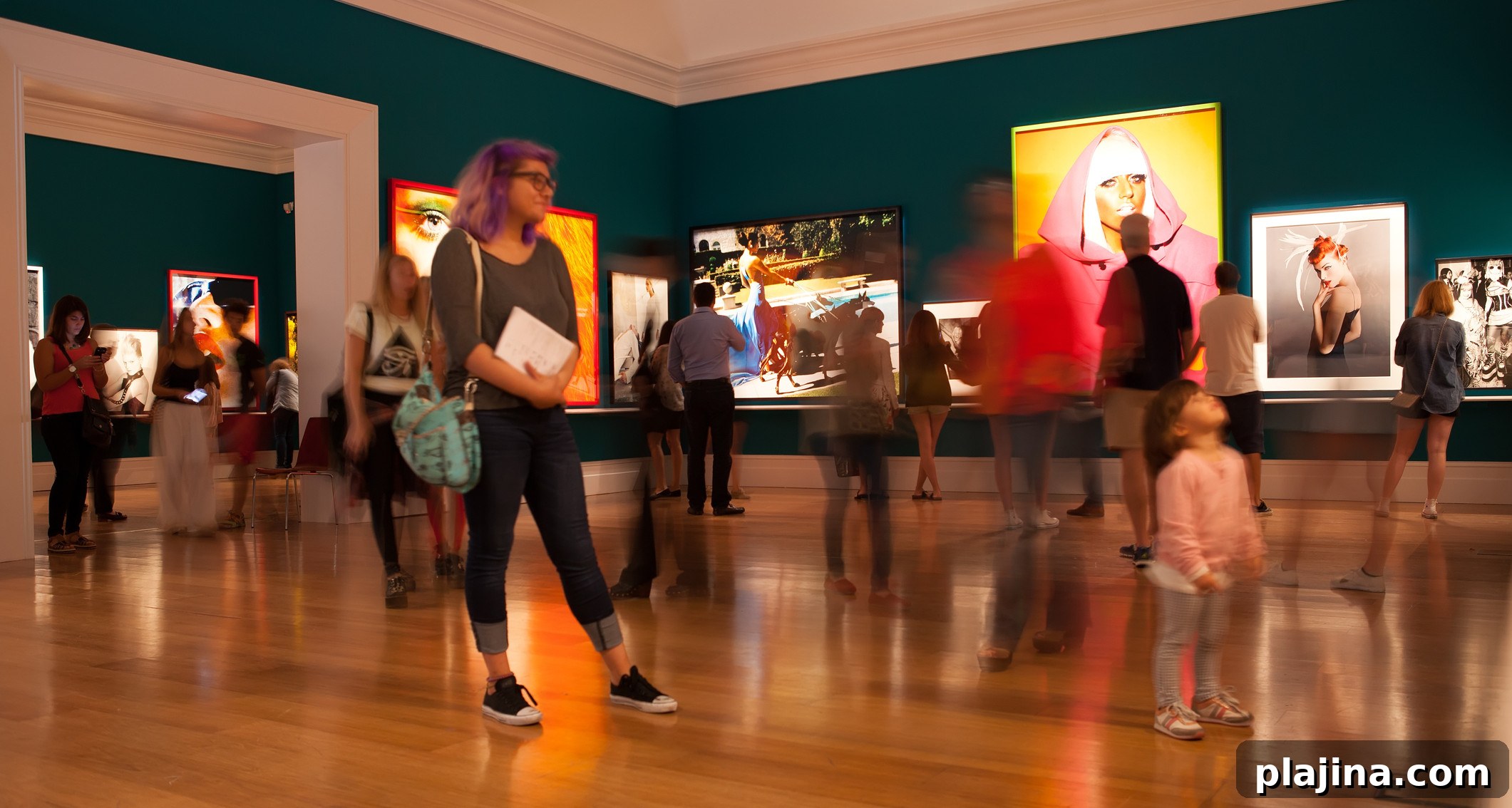
South America’s vast landscapes and rich cultural tapestry have given rise to a remarkable variety of museums, each offering unique insights into the continent’s history, art, science and indigenous traditions. For curious travelers, these institutions provide immersive experiences that illuminate the region’s past and present—from pre-Columbian treasures and colonial-era artifacts to modern art, natural history and cutting-edge science exhibits.
In cities and remote regions alike, museums play a key role in preserving cultural heritage and sharing local stories. Major metropolitan museums house internationally significant collections: archaeological finds from ancient civilizations, masterpieces by Latin American artists, and collections that document the complex social and political history of the continent. Meanwhile, smaller specialized museums focus on subjects such as indigenous crafts, regional biodiversity, or the history of a single city or community, offering intimate, expertly curated experiences.
Many South American museums are set within architecturally significant buildings—restored colonial palaces, modernist structures, or purpose-built contemporary spaces—that enhance the visitor experience. Exhibitions commonly combine curated artifacts with multimedia presentations, providing context through engaging narratives and interactive displays. Permanent collections frequently include ceramics, textiles, metalwork and sculptures that reflect the creativity and technical skill of pre-Columbian societies, while changing exhibitions showcase contemporary artists and current cultural debates.
Natural history museums across the continent showcase South America’s extraordinary biodiversity. From detailed displays about the Amazon rainforest’s flora and fauna to fossil collections that chronicle ancient ecosystems, these institutions help visitors understand environmental significance and conservation challenges. Science museums and planetariums similarly offer hands-on learning opportunities, appealing to families and education-focused travelers.
Ethnographic and anthropological museums highlight indigenous cultures, languages, and traditional knowledge systems. These institutions often work closely with local communities to present authentic perspectives, support cultural preservation, and foster dialogue about rights and identity. Many museums also dedicate space to the history of colonization and the struggles for independence, providing balanced and well-researched narratives that are accessible to international audiences.
Practical visitor considerations are important for planning a museum-focused trip. Museums in major tourist centers generally offer multilingual signage and guided tours, while opening hours and admission fees vary; many institutions provide discounted or free entry on specific days. Photography policies differ, so it’s wise to check rules in advance. For travelers interested in deeper learning, special programs such as curator talks, workshops, and temporary exhibitions can enrich the experience.
Whether your interests lie in archaeology, contemporary art, natural history, or cultural studies, South America’s museums offer a wide range of experiences that reward curiosity and thoughtful exploration. By visiting these centers of knowledge and creativity, travelers gain a deeper appreciation for the continent’s diverse cultures, histories, and natural wonders.