
The best history and civilization museums present artifacts that reflect the cultures that produced them. When exhibits engage visitors and spark curiosity for a few hours, the museum has succeeded. Human rights museums aim higher: they design focused exhibits to encourage reflection on how injustice, corruption and cruelty have shaped societies and to inspire visitors to think critically about preventing such harms in the future.
Effective human rights museums do more than recount difficult chapters of history. They invite visitors to participate rather than passively observe. Interactive displays, immersive storytelling and first-person perspectives prompt visitors to consider how lessons from the past can inform efforts to build fairer, more humane communities today.
Internationally recognized institutions such as the Anne Frank House in Amsterdam, Los Angeles’ Museum of Tolerance, Yad Vashem in Israel and the National Center for Civil and Human Rights in Atlanta create lasting emotional impact and remain relevant through periodic updates, new exhibits and outreach to younger generations.
Many larger museums work with smaller institutions, universities and human rights organizations to keep their programming dynamic and responsive. Museums like the Museo Internacional para la Democracia in Rosario, Argentina, and Te Papa Tongarewa in Wellington, New Zealand, partner with academic and civic groups to develop social initiatives and educational programming that connect history to contemporary issues.
Below are several noteworthy museums that deepen understanding of a place’s people and past, exposing both triumphs and painful realities.
The National Civil Rights Museum in Memphis, Tennessee, located in the former Lorraine Motel, is itself a powerful prompt for conversation. Visitors enter where Martin Luther King Jr. stood on April 4, 1968, and the museum’s layout keeps his legacy in view as it traces the U.S. civil rights movement from the 17th century to the present. Multimedia exhibits, archival photos, personal effects and short films convey the courage of people who challenged an unequal system. Nearby buildings connected to King’s death continue the narrative into contemporary times. Many installations put visitors in the shoes of those seeking justice, providing a first-person perspective that complements historical context. The museum became a Smithsonian Affiliate in 2016 and is listed on the National Register of Historic Places.
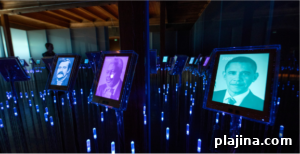
Oslo’s Nobel Peace Center, opened in 2005, honors Nobel laureates while offering immersive, sensory-rich exhibits, interactive displays and events including theater and concerts. Although it does not present itself strictly as a human rights museum, the stories of laureates and their struggles offer compelling insights into the courage needed to pursue peace, justice and protection for vulnerable people worldwide.
Kura Hulanda Museum in Willemstad, Curaçao, assembles a powerful collection documenting the transatlantic slave trade and its consequences across the Caribbean, Africa and the Americas. The museum’s mission is to confront historic injustices honestly and help the public reckon with past abuses. Some installations are stark and disturbing, depicting torture and the activities of racist organizations, while other exhibits highlight how individuals and groups sought justice during and after abolition, comparing movements and leaders such as the Black Panthers, Malcolm X and Martin Luther King Jr.
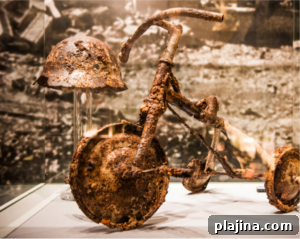
PHOTO:
© NUVISAGE | DREAMSTIME .COM,
The Hiroshima Peace Memorial Museum in Japan remains one of the world’s most powerful anti-war institutions. Candid, sometimes graphic displays document the human cost of the atomic bombing of Hiroshima during World War II. Personal effects of victims and wartime artifacts are supported by clear, compelling interpretive texts. Complementing the Hiroshima museum, the nearby Museum of Peace and Human Rights in Osaka educates visitors about the horrors of war and addresses human rights issues affecting ethnic minorities and LGBTQIA+ communities in Japan.
Near Nagoya, two smaller institutions tell an important and lesser-known story of humanitarian action. The Port of Humanity Tsuruga Museum and the Chiune Sugihara Memorial Hall recount how Japanese citizens assisted Jews fleeing Nazi-occupied Europe. Chiune Sugihara’s diplomatic decision to issue thousands of life-saving visas is detailed alongside testimonies from refugees and locals at the Tsuruga museum. These exhibits highlight moral courage in the face of bureaucratic pressure and broaden our understanding of global refugee histories.
Robben Island Museum in Cape Town goes beyond the site’s notoriety as Nelson Mandela’s prison to present the broader struggle against apartheid. Visitors see Mandela’s cell and hear first-hand accounts from former political prisoners who served as guides. The island’s “university,” where inmates discussed strategy and education, illustrates how resistance and resilience took root under extreme conditions. Along with Johannesburg’s Apartheid Museum and Constitution Hill, and Durban’s Kwa Muhle Museum, Robben Island offers layered perspectives on apartheid and the varied experiences of South Africa’s communities.
© VALENTIN M ARMIANU | DREAMSTIME .COM
The Museum of Memory and Human Rights in Buenos Aires occupies a former detention center used during Argentina’s dictatorship (1976–1983) and sits near Plaza de Mayo, where the mothers of the “disappeared” still gather. The museum documents state-sponsored violence across Latin America and presents workshops and activities designed to promote democracy, justice and human rights. Its location and programming make it both a memorial and a living educational resource aimed at preventing future abuses.