The Korean Wave arrived in the English-speaking world later than in Asia. K-pop group BTS achieved major success in the United States in 2018, the film Parasite won the Best Picture Oscar in 2020, and the TV series Squid Game became Netflix’s most-watched show in 2021. While Korea’s cultural influence has been strong across Asia since the 1990s, it is now capturing global attention.
Describing the Korean Wave as only outward-facing misses the point: contemporary Korean culture thrives on absorbing and reinventing outside influences. You see this immediately if you look for breakfast among the street food stalls in Myeongdong, downtown Seoul. Though the stalls are busiest at night, many open early to serve commuters.
Toast variations dominate many stalls: French toast, omelet-filled toast, egg and bacon toast, fried vegetable toast and countless other combinations. A traditional favorite is gyeran-ppang (egg bread), a small, sweet or savory bun with a whole egg baked into it. The most popular egg bread vendors often draw long queues. For roughly $2 you can enjoy a satisfying, flavorful breakfast on the go.
If a more formal and expensive option is required for business, The Seven Square at THE PLAZA Seoul hotel offers a refined downtown setting with private rooms for up to 30 guests. Breakfast service runs from 7–10 a.m.
With around 20 million people, Seoul is the world’s second-most populous metropolitan area after Tokyo. The city sprawls around the Han River and a series of forested mountains, shaping a layout of winding highways, tunnels and bridges. Traffic can make cross-city travel challenging, but the metro moves you efficiently. From Myeongdong the subway runs beneath Namsan Mountain and surfaces in Itaewon, a neighborhood long associated with American GIs and a diverse foreign community.
Itaewon offers a wide range of dining options—from excellent Korean restaurants to international cuisine, including halal and vegan choices. For an upscale business lunch, Cleo, a Mediterranean-fusion restaurant at the Mondrian Hotel, provides stylish indoor and terrace seating.
In the afternoon, take the metro under the Han River to Gangnam. Often seen as the birthplace of much of the Korean Wave, Gangnam mixes flashy skyscrapers with leading-edge cafes and bars where cultural and technological trends take shape.
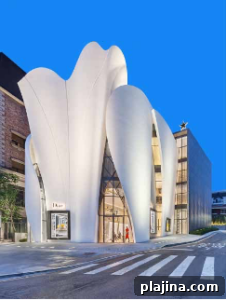
PHOTO: © DIOR
While tech shoppers visit Gangnam’s electronics districts, the area is best known for fashion. Apgujeong Street, lined with exclusive boutiques in striking buildings, has been compared to Rodeo Drive. One standout is the House of Dior, which since 2015 has occupied a striking white building reflecting the brand’s classic silhouettes.
Gangnam’s café culture is highly developed, and Café Dior epitomizes the district’s fashionable environment. Located on the fifth floor of the Dior building, the space features mirrors and white marble and attracts Seoul’s style-conscious crowd. The café is famed for its afternoon tea service, with patisseries by master pastry chef Pierre Hermé. Expect to pay a premium for a formal tea for two—around $120—making it suitable for occasions when impression matters.
For a more relaxed business meeting, Jogakbo Bites & Wine at Andaz Seoul Gangnam offers a versatile menu. Choose afternoon tea with cakes and pastries, or tapas paired with Champagne, wine or craft beer. It’s a convenient spot to wrap up a business day or to start an evening with colleagues or clients.
The Korean Wave continually blends the familiar and the exotic, reimagining global genres and styles. That duality is evident across Seoul: from budget breakfasts in Myeongdong to international dining in Itaewon and polished cosmopolitan life in Gangnam, the city offers many ways to reinvent yourself throughout a single day.