Steeped in history, Dublin began as a ninth-century Viking settlement and today combines a lively pub culture, a celebrated literary heritage and a modern, cosmopolitan population of just over 1.2 million. In recent decades the city has become the European base for major tech firms such as Meta, Google, Microsoft, Apple, Airbnb, Twitter and LinkedIn. Dublin is also a major beneficiary of post-Brexit relocations, with more than 130 financial firms moving from London, fueling development that includes over 50 new hotels and a wave of restaurants that are redefining Irish cuisine.
© CATALINA ZAHARESCU TIENSUU | DREAMSTIME.COM
From elegant Georgian terraces and the manicured lawns around Merrion Square to the round-the-clock buzz of Temple Bar, Dublin’s neighborhoods each offer something distinctive. Ranelagh and Rathmines are known for excellent dining, while coastal villages such as Howth and Dalkey provide scenic escapes. The compact city center makes most main attractions walkable, and you can cover even more ground by bike: Dublin provides over 100 miles of cycling paths and a self-service rental system, Dublin Bikes, with stations across the city. Public transport is reliable too—use the Luas tram network to reach many destinations quickly.
The best times to visit are spring (March–May) and autumn (September–October) for milder weather and fewer crowds. Summer is pleasant but busier and pricier. Rain is common year-round—especially in winter—so packing an umbrella is advisable, though offseason travel yields lower lodging and attraction prices and a greener landscape.
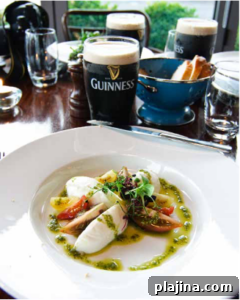
Most visitors make a stop at the Guinness Storehouse to learn how the iconic stout is brewed. The multi-level tour culminates in a complimentary tasting at the 360-degree Gravity Bar, which offers panoramic views of the city and the River Liffey. To avoid peak crowds, consider booking a timed ticket later in the day. Beyond Guinness, several independent breweries and craft beer spots, including Five Lamps Brewery and The Porterhouse Brew Co., are worth exploring. Whiskey enthusiasts should visit the Jameson Irish Whiskey Experience for tours, tastings and cocktail classes; Teeling, Pearse Lyons and Roe & Co also offer engaging distillery visits.
Trinity College, founded in 1592, is another Dublin highlight. Its cobblestone courtyards and ancient library—the Long Room in the Old Library evokes a cinematic, Harry Potter–style grandeur—house the Book of Kells, an illuminated manuscript of immense historical significance.
Spending an evening in a traditional pub is essential to experiencing Dublin’s social life and music. Pubs such as O’Neill’s Pub & Kitchen, O’Donoghue’s and The Cobblestone feature live music and an authentic atmosphere, with regular sessions that often begin in the early evening and continue late into the night. Many pubs welcome families during daytime hours.
Dublin is notably family-friendly. The museum at Christ Church Cathedral brings Viking and medieval history to life with costumed interpreters and hands-on activities. For older children, the crypt at Saint Michan’s Church displays remarkably preserved mummies. The National Leprechaun Museum offers imaginative exhibits rooted in Irish folklore, including immersive rooms and oversized props that play with scale. Phoenix Park provides vast green space—approximately twice the size of New York’s Central Park—where families can explore historic structures, visit Dublin Zoo and spot fallow deer roaming the grounds.
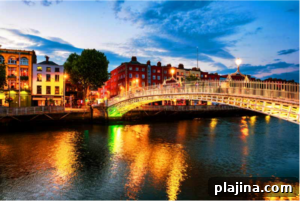
PHOTO: © MADRUGADAVERDE | DREAMSTIME.COM
Designated a UNESCO City of Literature, Dublin nurtured writers such as W.B. Yeats, George Bernard Shaw, Samuel Beckett, Seamus Heaney and James Joyce. Independent bookshops are plentiful: Ulysses Rare Books specializes in first editions, and Sweny’s Pharmacy—immortalized in Ulysses—remains a charming spot for secondhand finds. The Winding Stair combines a bookstore with a riverside restaurant, where you can browse books and enjoy views of the Ha’penny Bridge.
Pubs are central to Dublin’s identity and to its literary history—Davy Byrne’s, Neary’s and Toners are linked to well-known writers. For a guided experience that blends storytelling, theater and a taste of local pubs, consider joining a literary pub crawl led by actors who bring Dublin’s literary past to life.
The story of Irish emigration is powerfully presented at EPIC The Irish Emigration Museum in the Docklands. The interactive galleries trace the journeys of millions of emigrants and their global impact. Nearby, the Jeanie Johnston tall ship—a replica of a nineteenth-century famine-era vessel—offers a tangible sense of the voyages many Irish undertook to reach North America.
LODGING
The Dean Dublin
A stylish, relaxed hotel with playful touches such as in-room Smeg mini fridges and record players. Sophie’s rooftop bar provides sunset views over the city.
33 Harcourt St., Saint Kevin’s, Dublin
$$$$
The Merrion
Housed in a row of restored Georgian townhouses, this elegant hotel features antiques, spacious marble bathrooms, a Michelin-starred restaurant and traditional afternoon tea.
Upper Merrion Street, Dublin
$$$$$
The Shelbourne
A landmark five-star property offering classic, high-ceilinged rooms, refined service and a genealogy concierge to help guests explore family history. The Lord Mayor’s Lounge is famed for afternoon tea.
27 St. Stephen’s Green, Dublin
$$$$$
DINING
Delahunt
A cozy, contemporary restaurant set in a historic building, Delahunt pairs attentive service with a welcoming sitting-room atmosphere and a well-curated cocktail program.
39 Camden St. Lower, Saint Kevin’s, Dublin
$$$$
L. Mulligan Grocer
Housed in a preserved grocer’s shop, this pioneering gastropub showcases fresh, creative fare, an extensive craft-beer list and a distinctive vintage presentation.
18 Stoneybatter, Dublin
$$$
Restaurant Patrick Guilbaud
This two-Michelin-starred restaurant offers refined Irish cuisine with French techniques; tasting menus change seasonally and include optional wine pairings.
The Merrion, Upper Merrion Street, Dublin
$$$$$
INFO TO GO
Fly into Dublin Airport, served by major international carriers and located about six miles north of the city center. Taxi fares to downtown vary by time and traffic. The airport is also a hub for numerous bus and coach routes connecting Dublin with surrounding towns and cities, and several car rental companies operate on-site or nearby.