
Bordeaux is France’s largest wine region, home to nearly 7,000 producers. Yet most consumer attention focuses on the 61 Grand Cru châteaux and a handful of names from Pomerol and Saint-Émilion. Those top estates often produce outstanding wines, and in exceptional vintages such as 2010 some bottles command prices of $1,000 or more.
What drives such high prices? Factors include the terroir where the grapes are grown, long-established reputations stretching back centuries, and, crucially, strong demand.
Even so, these superstar wines represent only about 5 percent of Bordeaux’s total production. Beyond them lies a vast supply of well-made, reasonably priced wines—many of which I tasted during a recent visit to the region. Of particular interest are wines classified as Cru Bourgeois, which commonly sell in the United States for roughly $25 to $50.
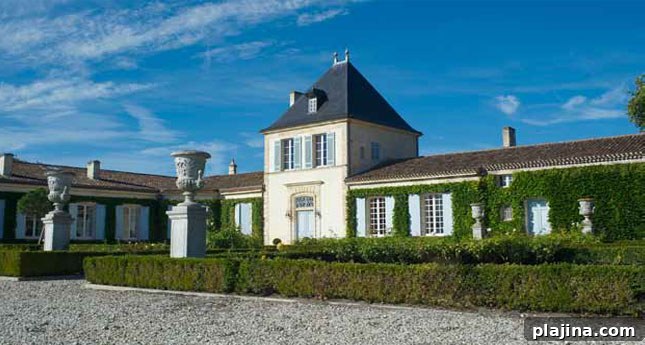
Château d’Agassac, distinguished by its 13th-century château, is one of the Médoc’s oldest estates. Wine has been produced there since the 18th century; today the domaine bottles about 250,000 cases annually, most under the primary Château d’Agassac label and the remainder under two secondary cuvées. The château’s 2009 vintage impressed with bright, well-integrated fruit, pleasant aromatic lift and satisfying concentration. The 2010 is still youthful, showing a deep purple hue, brisk acidity, a silky midpalate and a persistent finish—traits that suggest it will age gracefully.
Château Paveil de Luze, another long-established Cru Bourgeois estate with vineyard records dating to the 17th century and 150 years of winemaking history, also stood out. Its 2010 displays the hallmarks of a promising vintage: intense color, excellent balance, engaging fruit character and early complexity that bodes well for future development.
Château Les Grands Chênes, whose site once served as a 16th-century fort and has been a winery since 1880, produces wines with fresh fruit vibrancy. The younger bottlings show lively red-fruit aromas complemented by subtle nuances of coffee and vanilla on the nose.
Château Petit Bocq initially feels a bit closed on first pour, but with some air it opens to reveal ripe berry flavors, deep color and a medium body—qualities that point toward enjoyable evolution with further bottle age.
These examples are only a sampling of the many affordable, high-quality wines Bordeaux produces. For wine lovers willing to look beyond headline names, the region offers a wide array of Cru Bourgeois and other estates that deliver great value, complexity and the potential to develop beautifully over time.