
As spring approaches, Czechia reopens its timeless attractions across the country while welcoming several new hotels in the capital, Prague. Before traveling to this part of Central Europe, visitors should know the country is correctly referred to by two names: Czechia (the short, geographical name) and the Czech Republic (the formal political name). Both are acceptable. Locals will happily debate the distinction over a cold Pilsner; in this article, the short form Czechia is used.
© Vysocina Tourism
One of Prague Castle’s most treasured spaces reopened in January 2023 after nearly four years of restoration. The Prague Castle Picture Gallery closed in 2019 for extensive work, including upgrades to the air-conditioning and climate-control systems to protect priceless artworks. Originating from Emperor Rudolf II’s early 17th-century collection, the gallery houses an outstanding selection of paintings by artists such as Titian, Rubens, Tintoretto, Veronese and Cranach, among others.
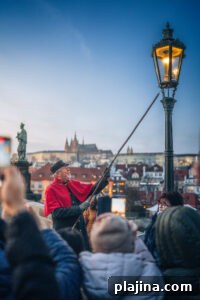
Prague’s street lighting has its own storied history. The city introduced gas lamps in 1847 with an initial 200 fixtures, and by 1940 the network had grown to nearly 9,000 lamps. Gaslight once brightened parks, riverbanks and islands, and lamp-lighters were a common sight in the early 20th century. Gas lighting largely disappeared by the mid-1980s when many cast-iron lamps were converted to electricity, but a revival began in 2002 using natural gas. In 2010 the tradition returned to Charles Bridge, which is now often cited as the world’s only gas-lit bridge.
© Prague City Tourism
During the Christmas season, from late November until Dec. 23, Prague revives an old custom: the lampář (lamp-man) lights gas lanterns along the Royal Way, the historic route that stretches from the Powder Tower through the Old Town to Hradčanské Square. The attendant’s traditional peaked black cap and dark red short cape add theatrical charm to the ritual.
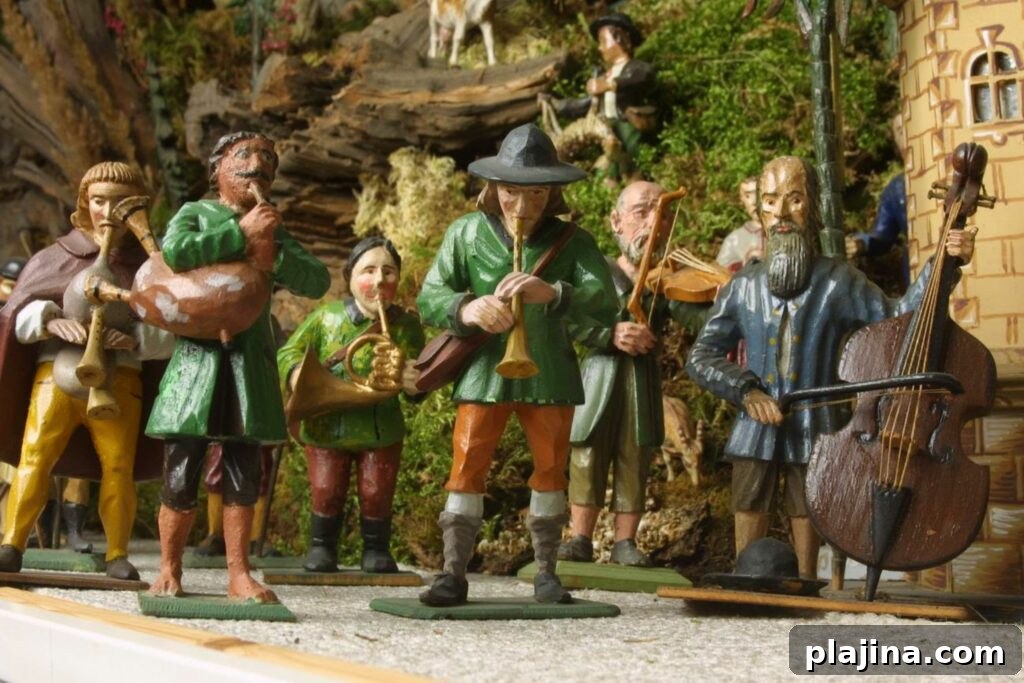
In the Vysočina region, about a 90-minute drive southeast of Prague, the town of Třešť preserves a rich woodcarving tradition centered on nativity scenes. For more than two centuries, residents have crafted elaborate wooden crèches displayed in homes and community spaces through the Christmas season. Some displays are exceptionally large, reflecting generations of skilled carving and deep-rooted local devotion to the custom.
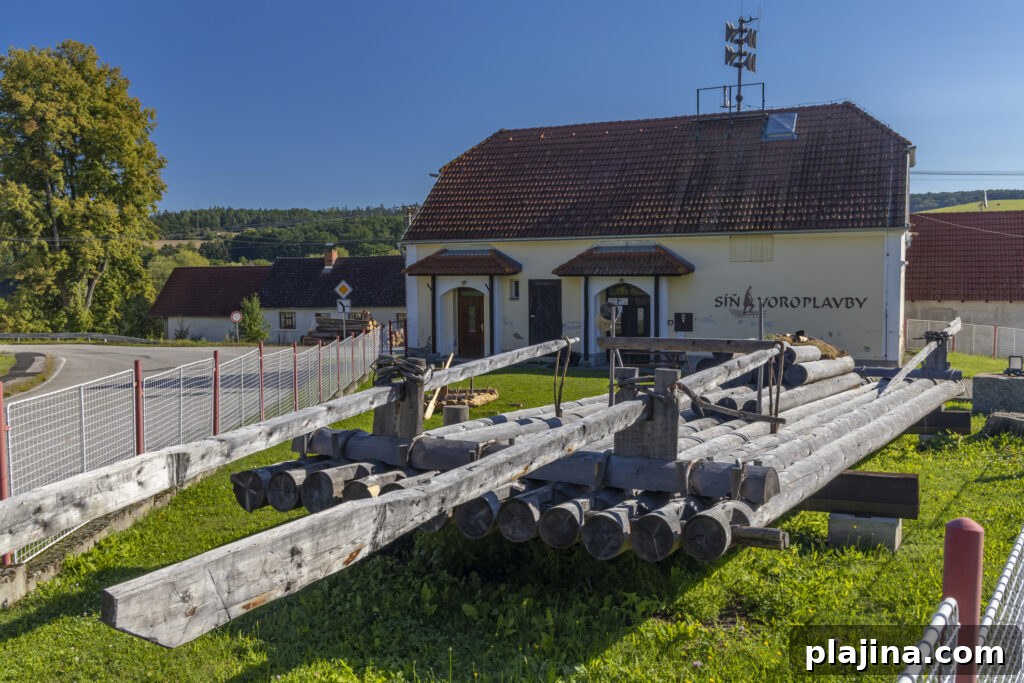
Timber rafting, an age-old practice of constructing and floating wooden rafts to transport goods, has been recognized by UNESCO and added to its Representative List of the Intangible Cultural Heritage of Humanity. The nomination highlights a tradition that dates back many centuries and played a vital role in moving salt, honey and beer along rivers such as the Vltava. Today timber rafting survives as both a living tradition and a tourism attraction, especially in South Bohemia, where river rafting remains a popular cultural and recreational activity.
“Czechia now has eight items on UNESCO’s intangible cultural heritage list, adding to 31 total entries in UNESCO,” said Jan Herget, director of the Czech Tourism Authority. “Given our population density, these listings make Czechia one of the most diverse destinations for unique cultural experiences.” Alongside timber rafting, Czech entries include handmade beaded Christmas decorations, blueprint printing, puppetry, falconry, the Slovácko rides of the kings, Hlinecko carnival routes and masks, and Slovácko’s verbuňk dance tradition.
Museum of Wooden Rafting © Richard Semik | Dreamstime.com
Air connections to Prague are expanding to meet growing demand. In 2023 Delta Air Lines resumed seasonal direct flights from New York JFK to Václav Havel Airport, and Icelandair increased service to offer more transfer options via Keflavík. These connections not only support travel to and from Iceland but also improve linkages between Prague and North America.
Prague’s hotel market is also seeing a resurgence, with several notable openings and renovations boosting the city’s luxury offerings. In 2022 Hyatt debuted its first Czech property, the Andaz Prague, located in the restored 1916 Sugar Palace on Senovážné Square. The hotel features 176 rooms and a lively MEZ bar that serves cocktails inspired by Prague’s historical figures and local ingredients.
Other recent additions include the 204-room Almanac X (formerly the Alcron Hotel), which reopened in late 2022, and the 161-room W Prague Hotel slated to occupy the former Grand Europa Hotel on Wenceslas Square. Fairmont is also renovating a riverside property to become the Golden Prague Hotel, a 297-room luxury destination featuring an extensive spa, indoor and outdoor pools, and multiple dining venues.
From restored castle galleries and revived gaslight traditions to UNESCO-recognized cultural practices and a growing luxury hotel scene, Czechia offers travelers a blend of history, craft and contemporary hospitality worth exploring this season.