
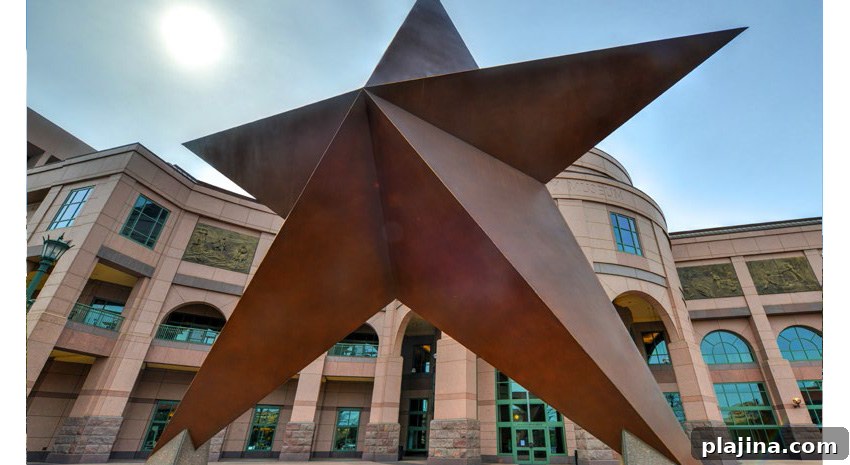
TIMES HAVE CHANGED.
Longtime Austin residents remember when airport runs meant arriving just 15 minutes before departure because the terminal was tiny. They recall breezing through a compact city with little traffic, shopping restrictions on Sundays, and seeing many people in 10‑gallon hats. Rising musicians like Janis Joplin played in hole‑in‑the‑wall venues such as converted gas stations, and dining options were largely limited to Tex‑Mex or barbecue. Only a decade ago, telling someone you lived in Austin often drew blank stares; few realized this city was the thriving capital of the Lone Star State, a magnet for musicians like Willie Nelson and home to the University of Texas.
Today Austin lands on countless “best of” lists: hippest town, fittest city, best place for families, top rooftop bars — the accolades keep coming. Its unofficial motto, “Keep Austin Weird,” captures the city’s pioneer spirit and its contemporary appetite for innovation, curiosity, and open-mindedness. Austin is a world-renowned music mecca and a tech hub, the birthplace of Whole Foods and successful homegrown brands such as Tito’s Handmade Vodka and Sweet Leaf Tea. It hosts the Circuit of the Americas Formula 1 racetrack and has achieved near‑cult status — like the most popular kid in high school. With about 2 million people in its metro area and employers including Dell, IBM, and HomeAway, Austin is also home to the largest urban bat colony in the world, which lives beneath the Congress Avenue Bridge.
Located in the heart of Texas on a dammed river locals call a lake, surrounded by rolling hills and a noteworthy wine country and only three hours from the coast, Austin is attracting newcomers at a rapid pace — city estimates suggest more than 100 people move here each day.
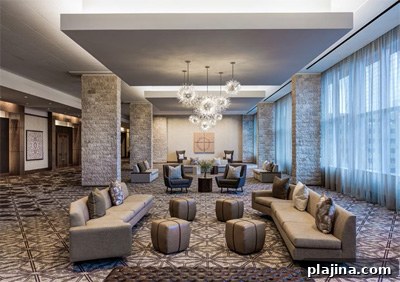
JW Marriott Austin’s foyer meeting space © JW MARRIOTT AUSTIN
The progressive city draws thousands of business and leisure travelers every year. To serve them, several hotels have opened recently, including the world’s second‑largest JW Marriott with a curative spa and rooftop pool, a Texas‑themed Westin, and the music‑centric Kimpton Van Zandt. More high‑end properties such as Fairmont and ZaZa were under construction in 2017, expanding lodging options further. Around town, locals and visitors converge at more than 250 music venues day and night. Outdoor life flourishes: crowds run the many trails, standup paddleboarding is popular on the lake, cyclists ride in large groups, and shoppers browse Austin‑born brands like Kendra Scott. With an enlarged Bergstrom International Airport and added service from airlines such as British Airways, Aeromexico, Condor, and Air Canada, Austin is more accessible to travelers than ever.
Meeting planners and attendees praise Austin for its energy and variety. The Austin Convention Center anchors a wide selection of meeting spaces across the city. The JW Marriott, for example, provides flexible meeting rooms in multiple sizes. Beyond meeting rooms, Austin offers countless ways to immerse attendees in a creative, can‑do culture that inspires collaboration. Local breweries and distilleries are plentiful. The Colorado River—branded Lady Bird Lake in parts—divides North and South Austin and is lined by the scenic Lady Bird Lake Hike and Bike Trail, ideal for group rides and fitness walks. Barton Springs, a large natural spring‑fed pool in the heart of the city, is a beloved spot for locals and visitors alike. Austin’s signature festivals also draw huge crowds: Austin City Limits in October brings a wide range of international acts over two weekends, while South by Southwest transforms the city into a nonstop showcase of established and emerging artists across venues large and small.
Entertainment districts across Austin offer distinct experiences. Downtown lets you admire the illuminated State Capitol at night while enjoying a mix of galleries, music stages, restaurants, bars, and shops. The Townsend, a historic Congress Avenue bar, hosts sought‑after bands in an intimate setting where you can sip craft cocktails and enjoy elevated bar bites. For a more refined meal, Italic channels a taste of la dolce vita. Nearby Rainey Street features renovated wooden cottages turned into bustling bars and eateries; don’t miss El Naranjo for inventive interior Mexican cuisine. If you need a quick refresh before a meeting, Roar Salon is a popular spot for hair and styling. South Congress (SoCo) has a sidewalk energy that feels celebratory, with trendy shops, cafés, and live music at the iconic Continental Club. On the Eastside, acclaimed restaurants like the James Beard–recognized Launderette showcase Austin’s evolving culinary scene.
SCENIC DRIVES
Head west on U.S. Route 290 to explore the Texas Hill Country. In spring, fields of wildflowers—especially bluebonnets—paint the landscape; summer brings fresh peaches ready for picking. Many visitors travel this rolling region for its wineries. The Fredericksburg Wine Road 290 guides you past 15 award‑winning wineries that produce a variety of wines from Viognier to Cabernet Sauvignon. Follow 290 West from Austin to Johnson City, the childhood home of President Lyndon B. Johnson, and continue to Fredericksburg, a town with strong German influence and a cluster of tasting rooms and vineyards within easy driving distance.
For a different side of Texas, take I‑10 south to San Antonio, a city famous for the Alamo and its rich Mexican heritage. Once a provincial military and cattle town, San Antonio has undergone a cultural renaissance. Stroll the River Walk, then visit the revitalized Pearl District, where a historic brewery has been transformed into a lively destination filled with restaurants, bakeries, shops, a spa, and the recently opened Hotel Emma.