
The summer of 2015 marked one of the most important anniversaries in English history, an event whose significance reaches back eight centuries. The English ensured that the 800th anniversary of the Magna Carta would be observed with many public events and commemorations.
Sealed in 1215, the Magna Carta was the first charter to limit royal authority and to assert rights for subjects. King John did not sign willingly, but persistent pressure from his barons left him little choice. Advisers to his successor later urged the re-issuance of the charter, which explains why multiple dated copies exist. Though its influence has spread worldwide, the Magna Carta has particular resonance for Americans: it inspired early documents such as the Mayflower Compact and the Bill of Rights and has come to symbolize the rule of law.
To mark the anniversary, England established a series of Magna Carta Trails that connect sites of particular historical significance. The routes trace King John’s movements across the country, visit the homes of barons who compelled the king’s concession, highlight related battlefields and sieges, and showcase the locations where the surviving 1215-origin manuscripts are displayed. One trail leads from London—where two original charters are featured in an exhibition at the British Library—to Windsor, the area around Runnymede where King John affixed his seal. Other trails take visitors to some of England’s most iconic cathedrals, each with its own Magna Carta story.
After 1215, original charters were distributed to counties for enforcement and many were stored in cathedrals. Although most copies disappeared over the centuries, a few survive and are now central to anniversary programming in cathedral cities. Lincoln and Salisbury, both housing surviving documents, hosted major celebrations during the commemorative year. Lincoln’s Magna Carta rests in a newly constructed underground vault at Lincoln Castle, supported by modern interpretive and interactive exhibits. The castle also opened an improved wall walk along its ramparts and scheduled events throughout the year to mark the milestone.
Salisbury Cathedral preserves one of the best-preserved copies of the Magna Carta in its soaring Chapter House, accompanied by new displays that provide context and interpretation. From July 15–19, the choirs of three great cathedrals performed together in Salisbury Cathedral as part of festival programming, and the Cathedral’s Festival of Flowers, held Sept. 15–20, celebrated the 800th anniversary with floral displays and related events.
Durham Cathedral holds copies of royal charters from 1216, 1225 and 1300 that illustrate the document’s legal development. Durham University mounted an exhibition titled “Magna Carta and the Changing Face of Revolt,” displaying one of these items through August as part of the anniversary activities.
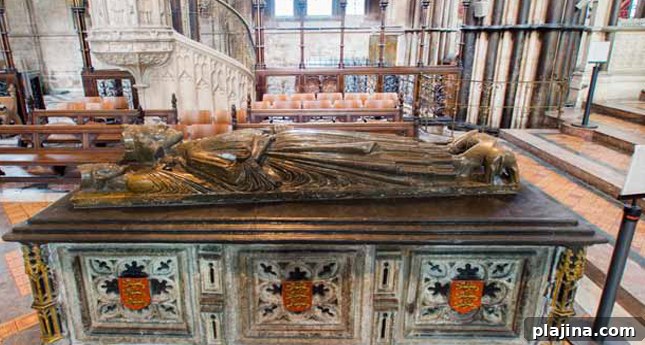
Other venues also joined the season of events. Near Salisbury, Trowbridge hosted a Magna Carta exhibition throughout the summer and ran a Medieval Charter Fayre from July 24–26. Worcester Cathedral, where King John is buried, offered guided tours and teas beginning in July that explored the king’s life and historical context. From Sept. 25–29, Cartmel Priory in Cumbria presented a Magna Carta Flower Pageant featuring concerts, a living-history encampment, a tournament and a Medieval Fayre.
These events were only a sampling of the many commemorations that took place. Even for visitors who did not attend specific festivals, the anniversary provided a compelling reason to explore England’s great cathedrals and historic sites, to learn about their ties to the Magna Carta and to reflect on a document that helped shape legal traditions both in Britain and abroad.