
A generation ago, Ho Chi Minh City — still called Saigon by many older southern Vietnamese — was a quiet, low-key town. The introduction of Đổi Mới (economic reform) changed that, transforming the city into a vibrant commercial center marked by busy streets and rising towers. Business travelers have two clear options for downtime: get out of the city entirely or dive into its distinctive urban shopping scene.
Despite the hectic pace of HCMC, the peaceful Mekong Delta lies just a two-hour drive to the south. Fed by the silt-rich Mekong River, this fertile lowland is Vietnam’s rice bowl. Many tour operators organize day trips that include boat excursions to the scenic Cai Be floating market and explorations of the river islands around Vinh Long, where narrow canals thread between fruit orchards.
For history enthusiasts, the Cu Chi Tunnels—about 25 miles northwest of the city—offer a moving glimpse into the past. The surrounding rubber plantations and rice fields give little hint of the tunnels’ violent history. During the war, Viet Cong fighters used hidden trapdoors and an extensive underground network of narrow bunkers to stage ambushes and avoid detection, even surviving heavy bombing. A portion of the 120-mile complex has been widened for visitors; nearby shooting ranges also allow tourists to try rifles such as the M16 or AK-47. Many local tour operators include Cu Chi excursions as part of their offerings.
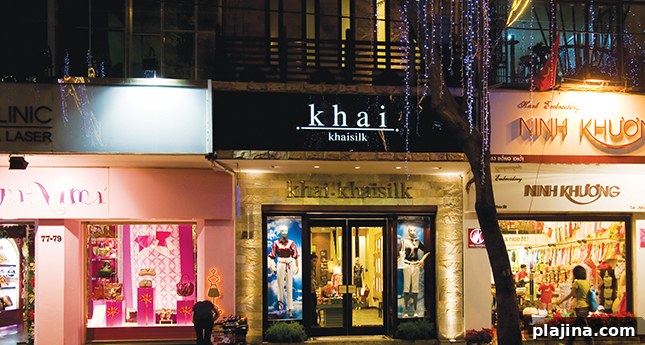
Shopping in Ho Chi Minh City can be intense, so narrow your focus to locally made goods. Vietnam is known worldwide for high-quality, affordable tailoring. One well-known option offers ready-to-wear and custom-made garments in both men’s and women’s styles, with the option to choose a design and fabric for fast tailoring. For home décor, clothing and even furniture, several designer showrooms showcase contemporary Vietnamese design and craftsmanship.
Although Hanoi remains the heart of Vietnam’s art scene, several top galleries from the capital maintain showrooms in Ho Chi Minh City. These venues display contemporary Vietnamese painters whose works have been shown internationally; many pieces can be custom-framed, crated, and shipped overseas, making them accessible to collectors and visitors alike.
When evening comes, head to Lam Son Square in District 1. Just west of the Municipal Theatre sits the historic Hotel Continental Saigon, well known to readers of Graham Greene’s The Quiet American. While the hotel’s famed terrace has changed over the years, nearby cafés still serve strong cà phê sữa đá (iced Vietnamese espresso with condensed milk). A short walk across the square brings you to the Caravelle Hotel and its rooftop bar, which offers striking views of Notre Dame Cathedral and the City Hall. During the war, that rooftop was a favorite spot for diplomats, journalists and military personnel. Today, in a fast-paced, business-focused Ho Chi Minh City, the view is more likely to feature streaming traffic and competing SUVs than sorties—but the city’s layered history and lively urban energy remain as compelling as ever.