
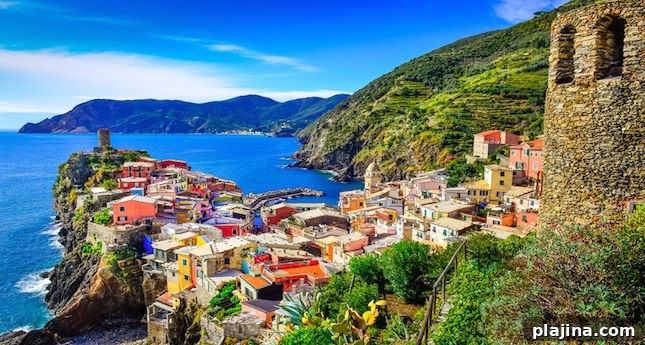
Cinque Terre’s iconic pastel villages clinging to the cliffs drew about 2.5 million visitors last year. The influx overwhelmed the five former fishing towns, and Italian authorities are now taking steps to prevent that scale of overtourism from repeating.
Designated a UNESCO World Heritage site, Cinque Terre has faced growing pressure from cruise ships, tour buses and day-trippers. Narrow lanes, fragile coastal ecosystems and local infrastructure were strained by the surge in visitors, prompting officials to introduce stricter access controls to protect both the landscape and the resident communities.
Under the new management plan, visitors will need to buy advance tickets to enter the park and its most crowded villages. Entry points and approach roads will be monitored with counting systems that measure the flow of people toward the five towns. When the number of visitors reaches a preset capacity, ticket sales will be suspended until numbers fall below the threshold.
The ticketing system aims to smooth visitation across the day and limit peak congestion, giving residents and the environment relief from relentless tourist pressure. Park authorities say the measure will also support better management of waste, public services and footpaths, while preserving the character that makes Cinque Terre special.
“We will certainly be criticized for this,” said Vittorio Alessandro, president of the Cinque Terre National Park, in an interview with the Italian newspaper La Repubblica. “But for us it is a question of survival.” His comment underlines the urgency felt by local managers who balance conservation needs against the economic benefits of tourism.
The changes reflect a broader trend in heritage destinations worldwide, where site managers are moving from open-access models to regulated systems that limit numbers, encourage longer stays and promote off-peak visits. For Cinque Terre, advance ticketing and real-time visitor caps are intended to reduce day-trip spikes and help channel tourism into more sustainable patterns.
Officials stress that the measures are not intended to deter visitors, but to improve the quality of the experience and the long-term viability of the villages. Tourists who plan ahead and respect local guidelines will still be able to enjoy the dramatic coastal trails, colorful houses and traditional cuisine that define the area, while contributing to its preservation for future generations.